What is Data Streaming? Definition & Use Cases
What is data streaming?
Data streaming is the continuous transmission of data in real time from source systems to processing or storage platforms.
Data streaming is the continuous transmission of data in real time from source systems to processing or storage platforms.
Data streaming enables organizations to process and respond to data as it arrives, allowing for faster decision-making and real-time insights without waiting for batch processing cycles to complete. This is especially useful for time-sensitive use cases, such as monitoring or alerts.
Key benefits of data streaming
Key benefits of data streaming
Data streaming and processing offer significant value across industries where dynamic, real-time data plays a critical role. Many organizations start with basic event tracking or alert systems and gradually evolve into complex, insight-driven architectures powered by streaming analytics.
Here are the key benefits:
• Immediate Response to Events: Enables systems to detect and react to anomalies or thresholds in real time
• Scalable Data Ingestion: Supports high-throughput collection of data from various sources like IoT, apps, and servers
• Continuous Analytics: Allows for near-real-time trend analysis, filtering, and aggregations on moving data
• Machine Learning Integration: Facilitates real-time model scoring and adaptive learning pipelines
• Enriched Business Insights: Unlocks deeper visibility through advanced event processing, such as sliding windows and time decay patterns
• Reduced Latency in Decision-Making: Cuts down the delay between data collection and actionable insight
• Evolutionary Use Cases: Starts with basic logs and alerts but scales to predictive and prescriptive analytics over time
How data streaming works
Data streaming works by continuously capturing small records, often just a few kilobytes, generated from thousands of sources in real-time. These records are immediately transmitted to processing systems without waiting for batch accumulation.
Streaming data includes a wide range of sources, such as:
• Application logs from mobile and web platforms
• E-commerce transactions and customer purchase events
• Social media interactions and sentiment data
• Financial trades and stock market feeds
• IoT device telemetry and sensor outputs
• Geospatial data and location-based services
• Gaming activity, such as in-session player behavior
Once collected, these data points are processed sequentially or in time-based windows to enable filtering, aggregation, anomaly detection, and instant response across systems.
OWOX Data Marts
See your first report built in real time. 15 minutes.
- Connect your data warehouse
- Pick your metrics
- Get a live Google Sheets report
In the time it takes to write a ticket. Then imagine never writing that ticket again.
Book a DemoWe'll use your actual use case
Popular tools for data streaming
Popular tools for data streaming
Many tools support real-time data streaming, offering different features for ingestion, processing, and distribution.
Popular options include:
• Apache Kafka: A widely used open-source platform for building real-time pipelines and stream processing applications
• Amazon Kinesis: Enables real-time data collection and processing at scale within AWS environments
• Apache Flink: Offers high-throughput, low-latency stream processing and supports complex event processing
• Apache Storm: Designed for distributed, fault-tolerant real-time computations
• Google Cloud Dataflow: A serverless data processing service for both stream and batch data
These tools support integration with a wide range of data sources and systems, from IoT devices to social media platforms.
Use cases for data streaming
Data streaming enables businesses to process and respond to events as they happen, making it ideal for time-sensitive operations across various industries.
Common use cases include:
• Predictive Maintenance: Sensors in vehicles or equipment stream performance data to detect defects early and trigger automatic part replacements.
• Real-Time Financial Analytics: Banks monitor stock prices to calculate risk and rebalance portfolios instantly.
• Location-Based Recommendations: Real estate platforms suggest nearby properties using mobile location data.
• Energy Monitoring: Solar companies track panel performance in real time to reduce downtime and avoid penalties.
• Content Personalization: Media companies stream click data to optimize content placement based on user behavior.
• Interactive Gaming: Gaming platforms stream player interactions to deliver real-time offers and dynamic gameplay experiences.
Send recurring numbers as Insights
Send recurring numbers as Insights
Insights with AI Assistance turn saved SQL queries over a Data Mart into a scheduled write-up. Write the text once, add the queries (your own, or drafted by the AI Assistant and applied by you), and OWOX sends the result to Email, Slack, Microsoft Teams or Google Chat on the schedule you set. Every figure comes from a saved query, so you can check it.
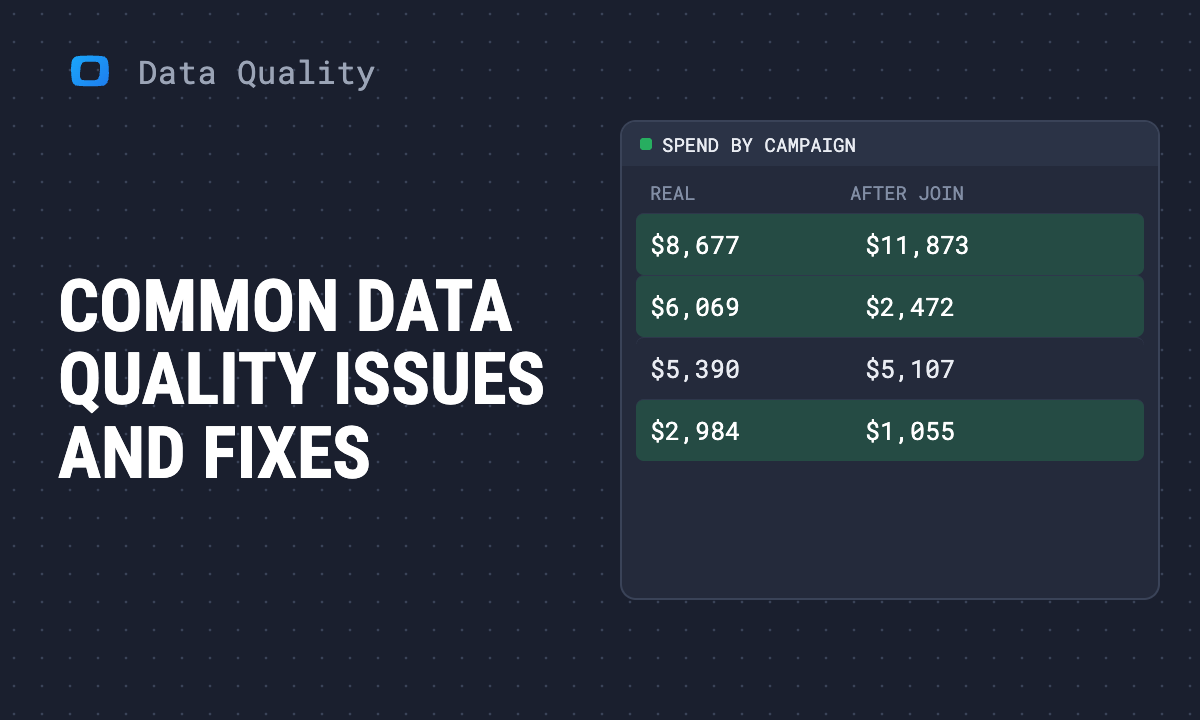
Learn how teams ship analytics faster
Organizations that scaled analytics without scaling headcount
 "For 10 years I was blind." The day Pürblack® founder stopped guessingSecondsto get reports across six channelsRead the story
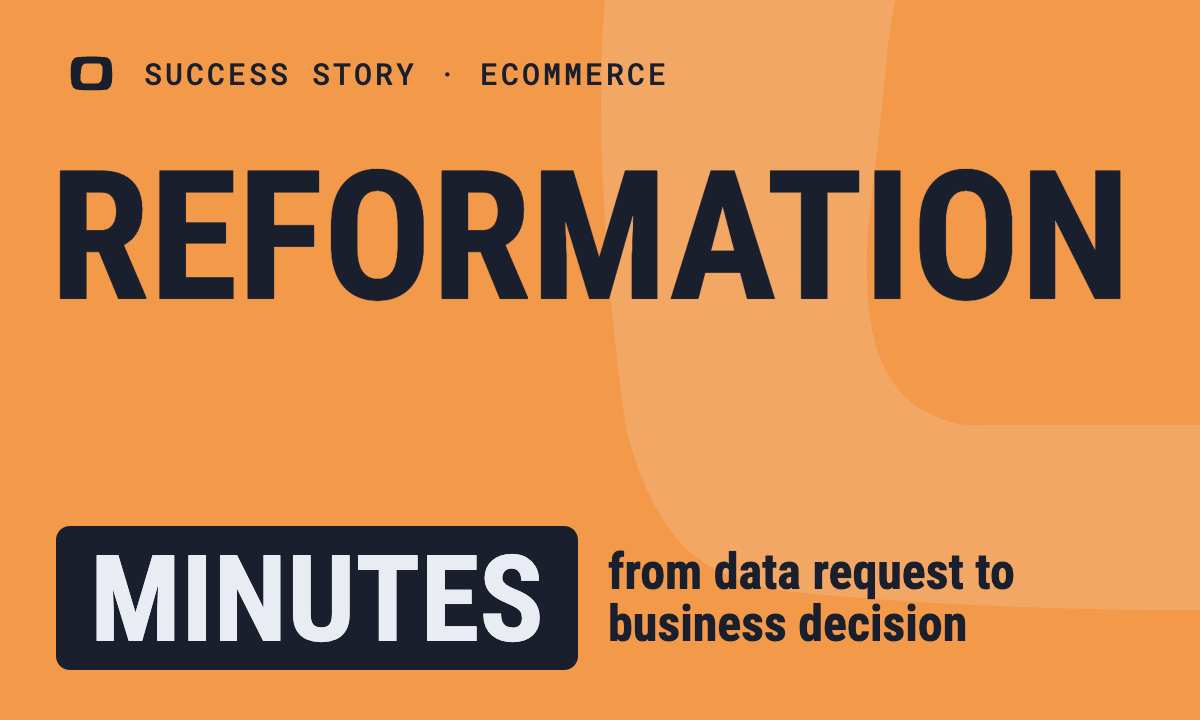 How OWOX Reports Helped Reformation Make Data-Backed DecisionsMinutesfrom data request to business decisionRead the story
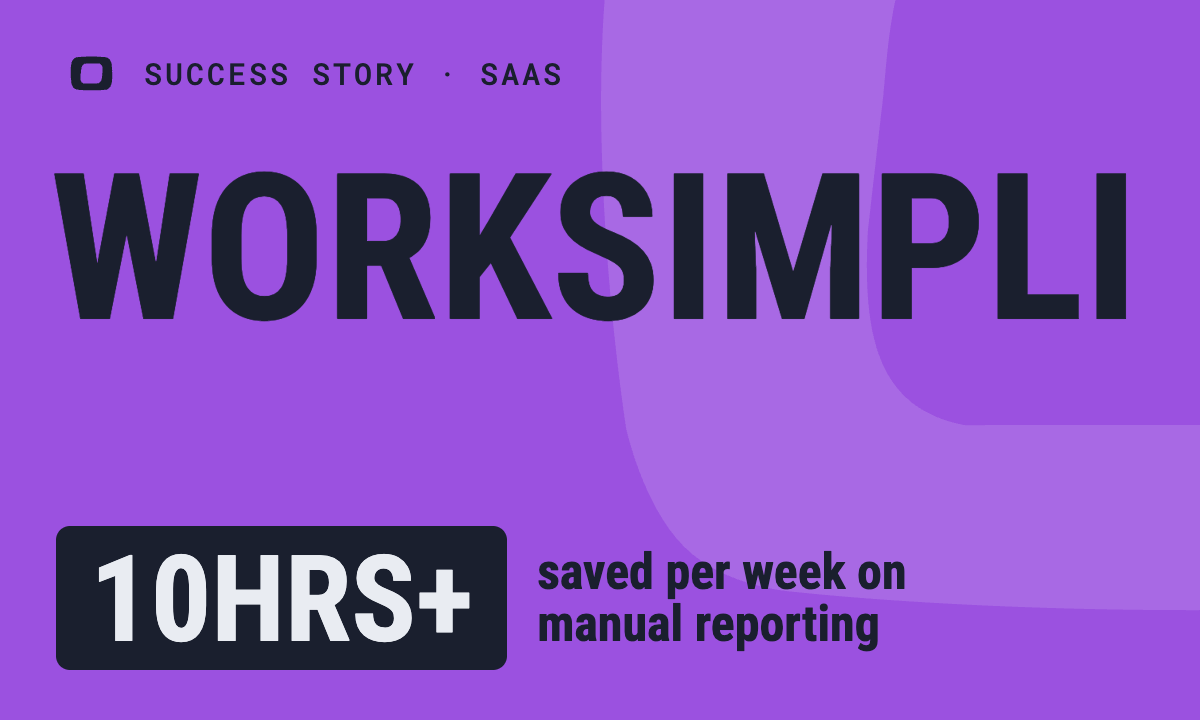 How OWOX Reports Streamlined Operations for WorkSimpli, Saving Over 10 Hours Weekly10hrs+saved per week on manual reportingRead the story
Not testimonials. Comment threads.
Real things real customers said — each quote pinned to a specific claim, straight from the quotes database.
 Nodari RizunFounder & CEO, Pürblack®
“AI, by the nature of the models, will hallucinate. And because of that, you need something which will create guardrails to ensure that there are no hallucinations, that you can trust your data.”
Nodari RizunFounder & CEO, Pürblack®“I was blind, now I can see. OWOX opened our eyes.”
“We are extremely satisfied with the results achieved through our partnership with OWOX. I'm also impressed by quick and effective support we get from OWOX”
Turn your data into decisions.
Governed data marts give you the clean foundation ML needs to actually work.
- No AI hallucinations
- Analyst-governed definitions
- Every number traces to SQL