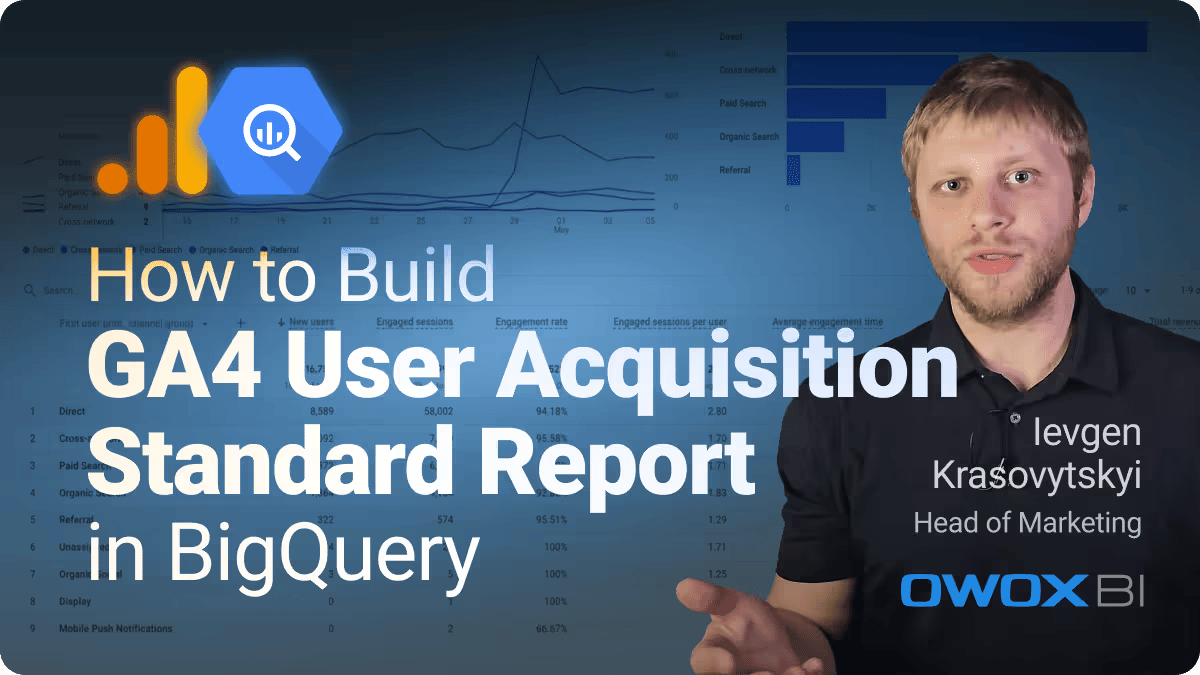
8 Reasons to Export GA4 Data to BigQuery | Marketing Analytics for Beginners
🔍 What You’ll Learn
- Discover the basics of Google BigQuery
- Why Implement GA4 BigQuery Export
- Explore the Key Benefits of [GA4] BigQuery Export including data ownership, extended retention periods, better analytics through data from other sources, avoiding data sampling, BI opportunities, and the potential for machine learning applications.
- Find out how you can implement GA4 BigQuery Export in your business, even without advanced data expertise.
👨💼 Who is this video for
Perfect for marketers, analytics beginners, and data enthusiasts looking to have better web analytics and reporting.
🔔 Engage with us
If you found this video valuable, don’t forget to like, share, and subscribe to our channel
🙌 Your support motivates us to share more insightful content on marketing analytics.
🤝 Need expert guidance? Talk to our team for personalized strategies to work with your GA4 data
💡 Step-by-step guide to setting up GA4 BigQuery Export
🍪 How to overcome Privacy & Cookie limitations and adblockers
🔗 Why BigQuery is the best DWH for marketing data
🚀 Dive into the world of GA4 BigQuery Export with these 8 Reasons to start exporting GA4 Data to BigQuery.
What changed since this video was recorded?
The problem you just saw didn't disappear — it has even evolved. Teams added more dashboards, more connectors, more AI tools. But the underlying issue stayed the same: analytics logic kept living in too many places.
Teams that scale analytics today fix it by building a reusable analytics system — where definitions live once and power everything else. That's why we built OWOX Data Marts: a reporting system on top of the trusted data in your warehouse, delivering answers safely to dashboards, spreadsheets, and AI.
Stop being the reporting bottleneck
OWOX Data Marts turns your warehouse SQL into governed, reusable reports business teams self-serve in Sheets.
Get started free