

What Is an Attribute in Data Modeling?
Attributes are the properties that describe or define an entity in a data model—like a customer's name, email, or age.
Attributes are the smallest units of meaning in a data model. They help represent real-world information about entities and are key to organizing data effectively. Each attribute gives context to data points and enables users to query, group, and reorder facts based on specific values.
Examples of Attribute in Data Modeling
Attributes provide meaningful details about entities in a database. For instance, in a sales database, the Customer entity might have attributes such as:
- CustomerID
- Name
- Phone Number
In a different scenario, say, an eCommerce transaction—the Order entity might include:
- Order ID
- Order Date
- Total Amount
- Shipping Address
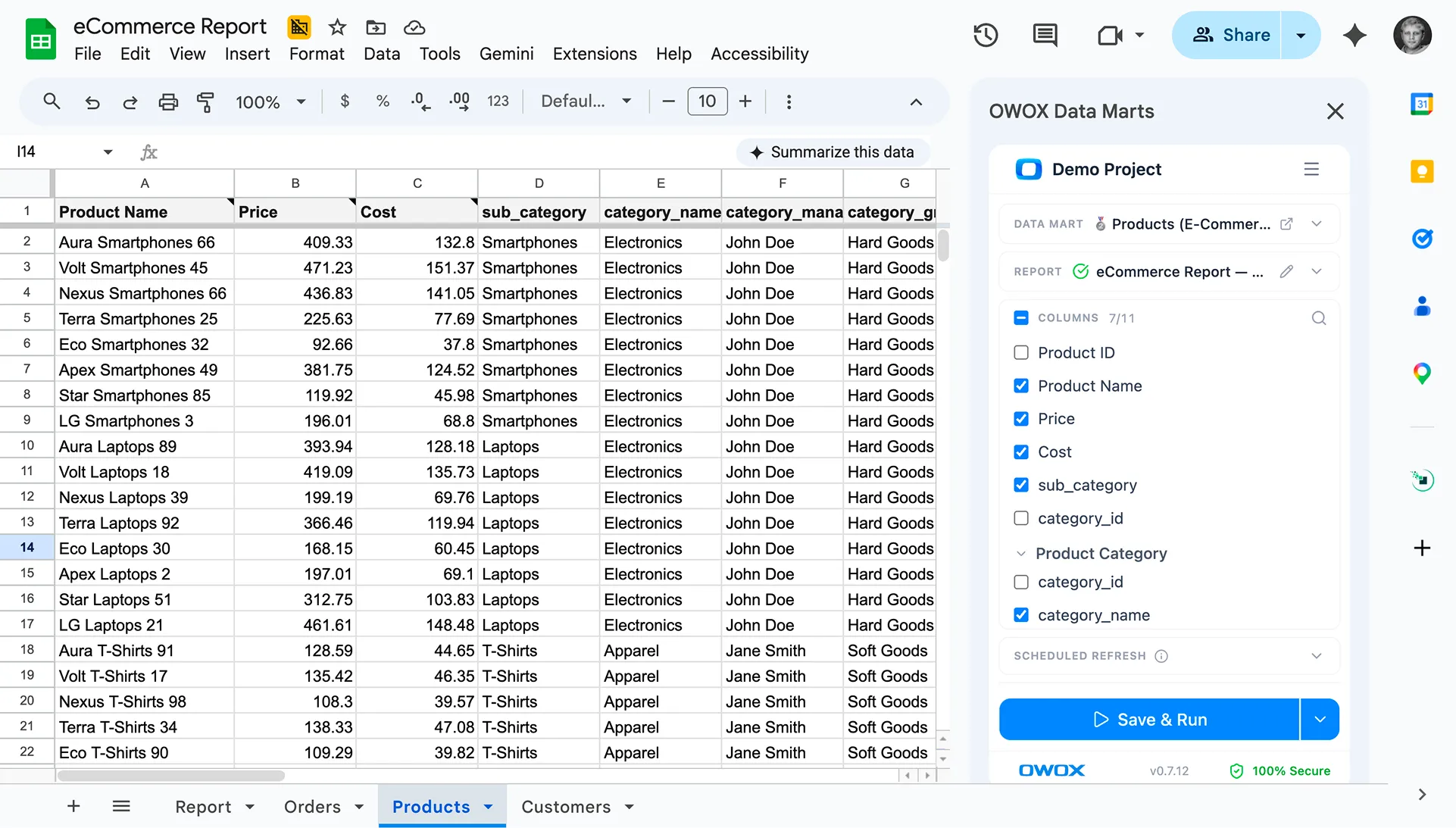
Similarly, a Product entity might list attributes like Product Name, Price, and Category. These attributes help define what each product is and how it can be grouped or filtered in reports.
Attributes and Entity: How Are They Connected?
In data modeling, an entity is a real-world object or concept, while attributes describe its properties. Think of an entity as a noun (like “Customer”), and attributes as the adjectives that tell us more (like “Name” or “Email”). Without attributes, entities would be meaningless blocks of data.
How Do Entity Relationship Models Map Attributes?
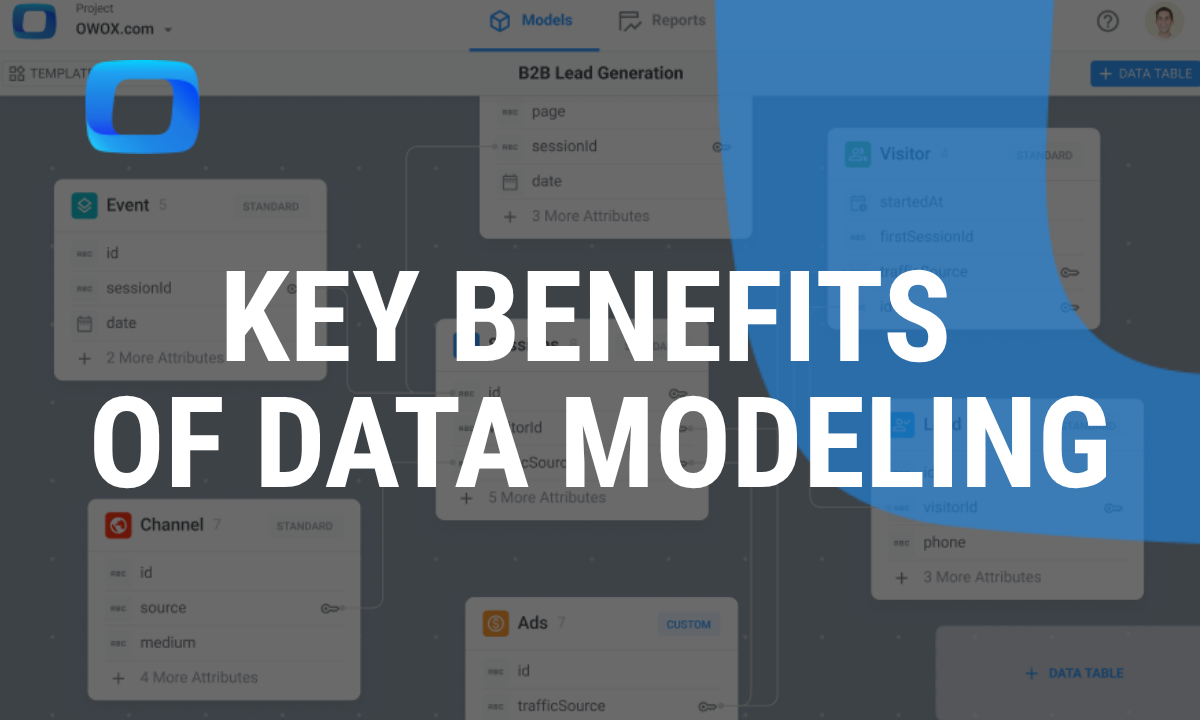
Entity Relationship (ER) models map attributes by attaching them to specific entities. In an ER diagram, entities are represented by rectangles, and their attributes are shown as ovals linked to them. This visual approach helps data teams understand how data is structured and which properties belong to which entities. It’s especially helpful for designing relational databases used in reporting and transactional systems.
How Do Entities and Attributes Differ in Data Modeling?
Entities and attributes serve different roles in data modeling. An entity is the subject of the data—like a user, product, or order. An attribute is a detail about that subject—like username, product name, or order date. Entities are usually collections (tables), and attributes are the fields (columns) within those tables.
Explore Attributes in Data Modeling in Detail
Attributes in Data Modeling are the building blocks that give data models their structure and clarity. They bring essential context to entities, allowing teams to organize, analyze, and interpret data in meaningful ways. Across industries, attributes support everything from customer segmentation to accurate reporting.
In the end, well-defined attributes are what make data truly usable. They ensure consistency, enable smarter decisions, and lay the foundation for scalable, trustworthy analytics. No matter the complexity of your data, a strong attribute strategy is key to turning information into insight.
Define and Manage Attributes Effectively with OWOX Data Marts
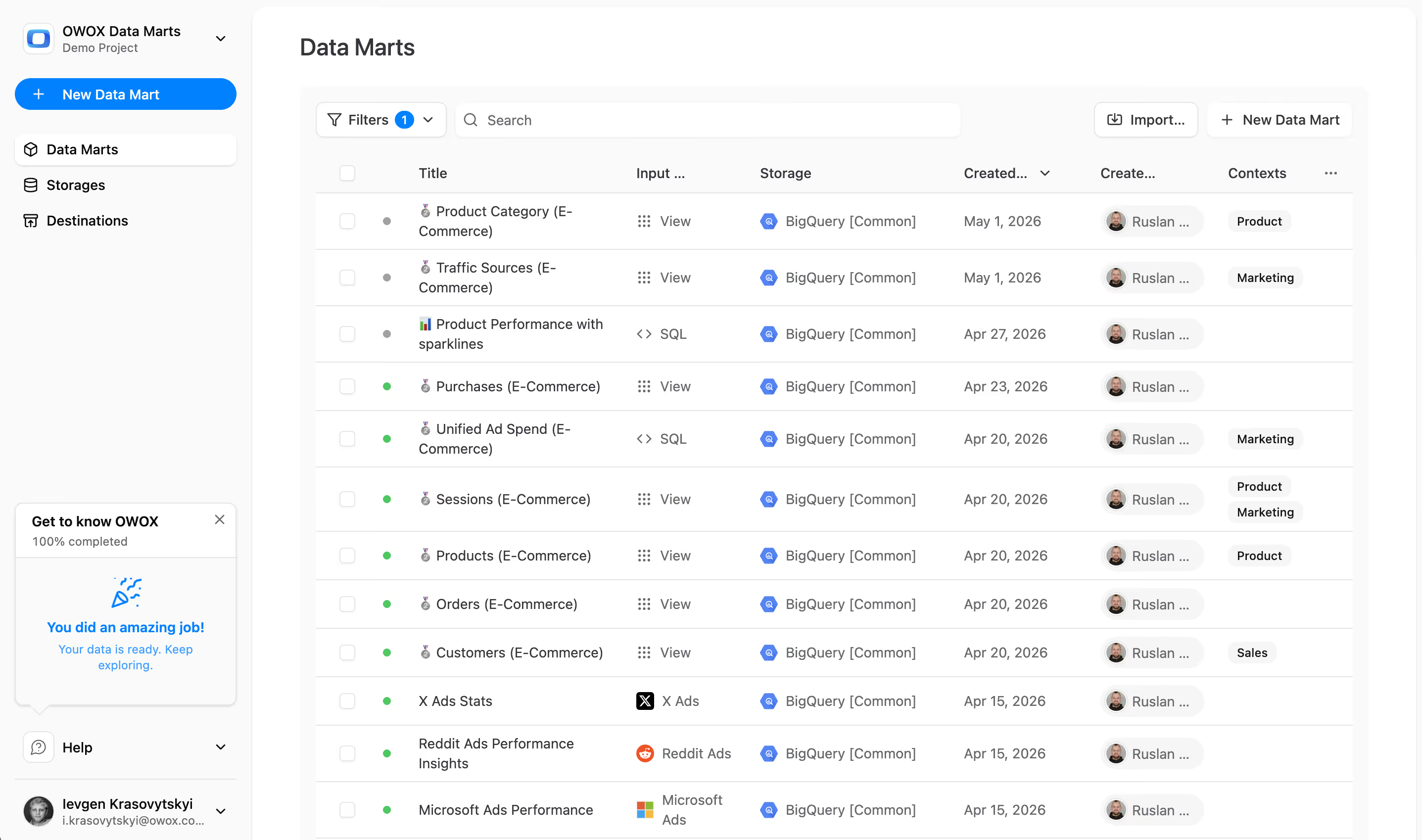
Attributes describe the properties of your data entities, and managing them correctly is key to building reliable models. With OWOX Data Marts, analysts can define, document, and reuse attributes across multiple datasets and dimensions, ensuring consistency throughout the analytics stack. Every field remains governed and traceable, supporting accurate reporting and scalable data modeling.






"AI by its nature will hallucinate. You need guardrails so you can trust your data."
"We had six or seven different channels and no single source of truth. It was almost impossible"
"We regained time. And time is the one resource that never comes back."