Marketing says $2.1M. Finance says $1.8M. Both are pulling from different sources with different definitions. OWOX creates one governed source of truth — every metric defined once, every team pulling from the same Data Mart, every number traceable to SQL your analyst approved.
↓ A real CFO, mid-conversation. Try it — click anything.

Every board meeting starts with "whose numbers are right?" Every budget cycle requires three weeks of data cleanup. Every new report creates another version of "revenue." It’s not a people problem — it’s a definitions problem. And it’s solvable.
Numbers reconcile across every report because the definition lives in one place. That’s it. That’s the fix.
Get started free →Your data team defines each financial metric once. That definition gets published to the library. Every team pulls from it. Done.
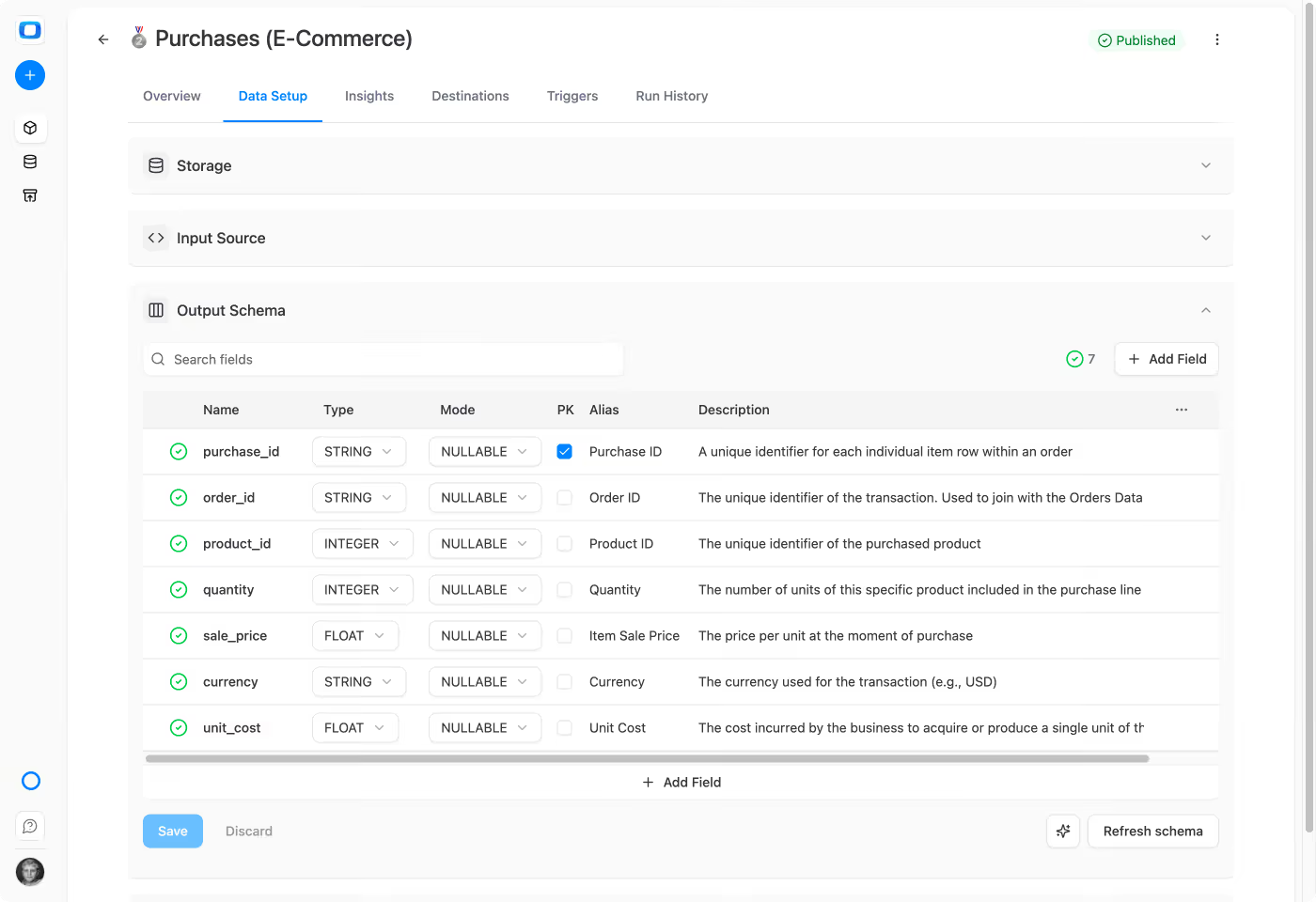
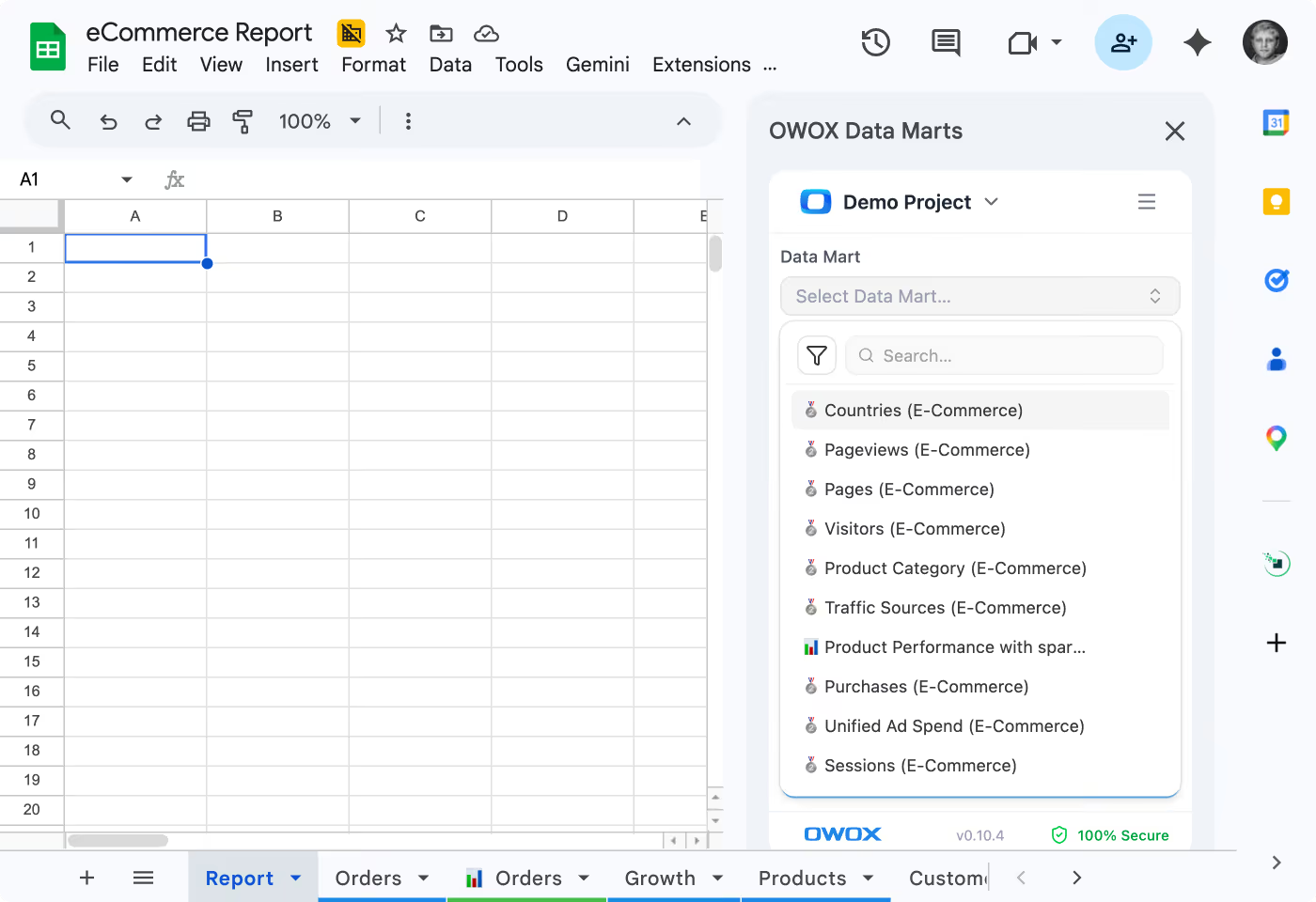
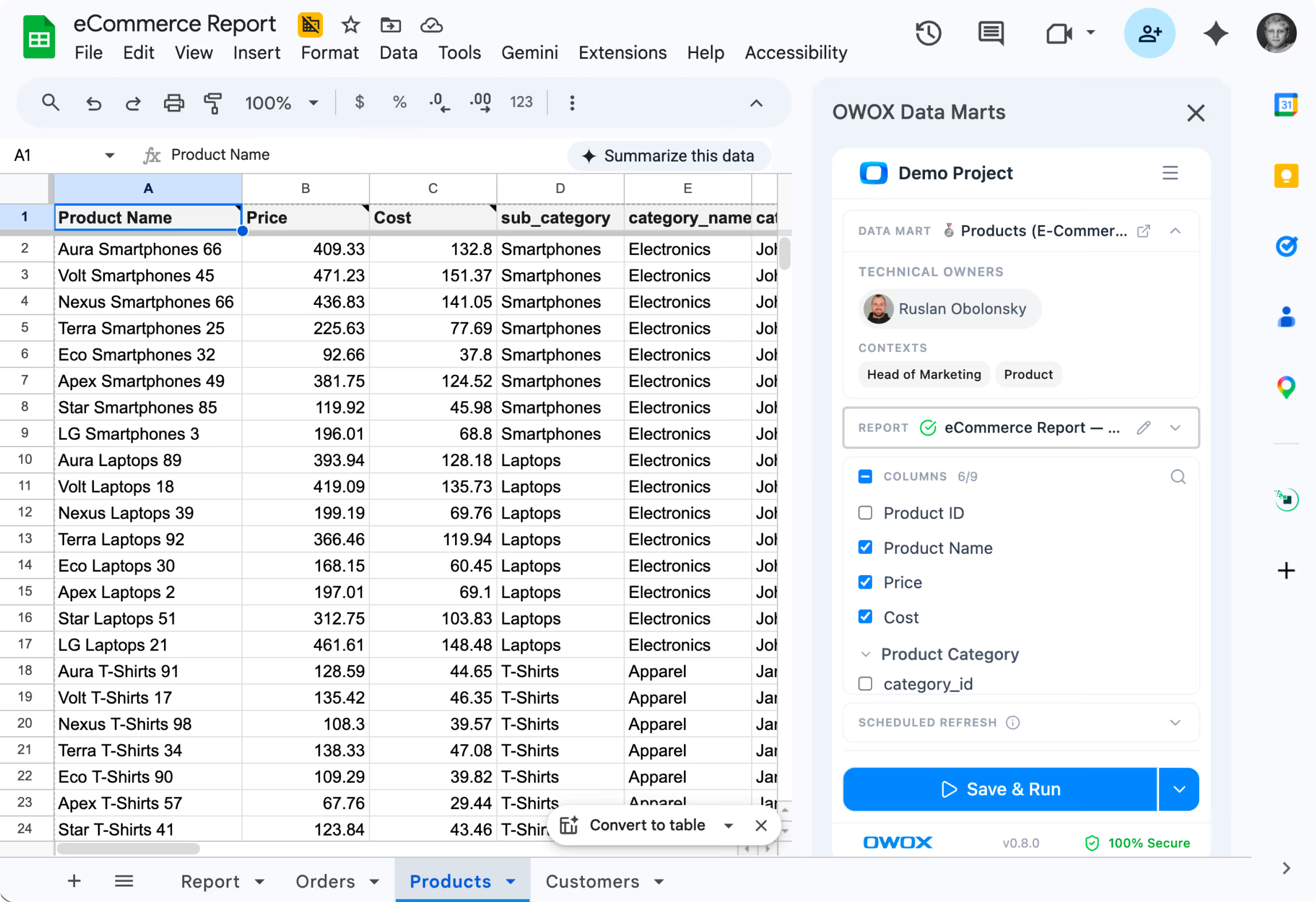
Your finance team browses the governed metric library in Google Sheets, picks columns, and refreshes — every cell traceable to the SQL definition and the owner who approved it.
OWOX turns your governed financial metrics into a written executive summary — the P&L story, the trend, the takeaway — right inside Claude or ChatGPT, on the schedule you set. You walk into the board with the narrative already done.
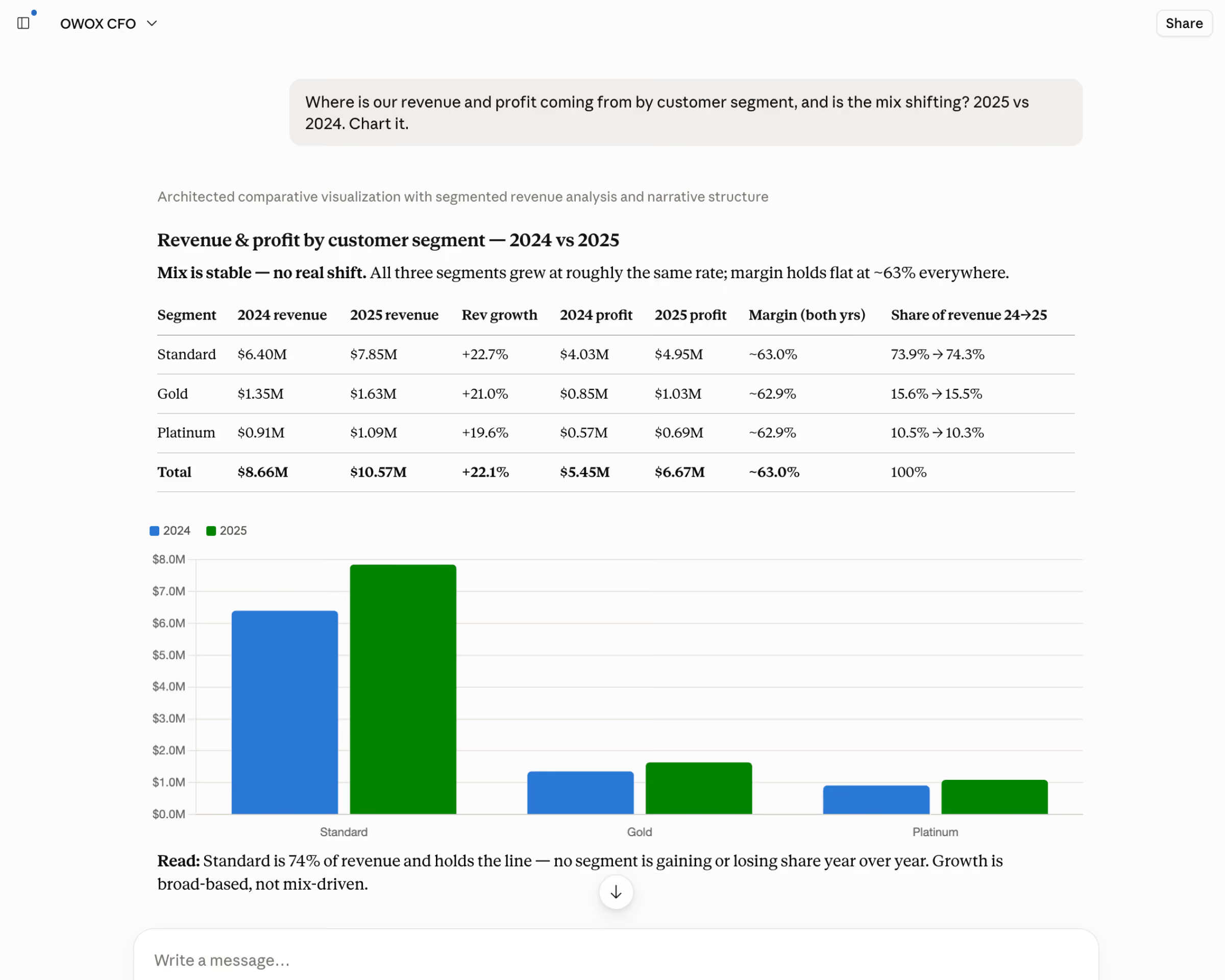
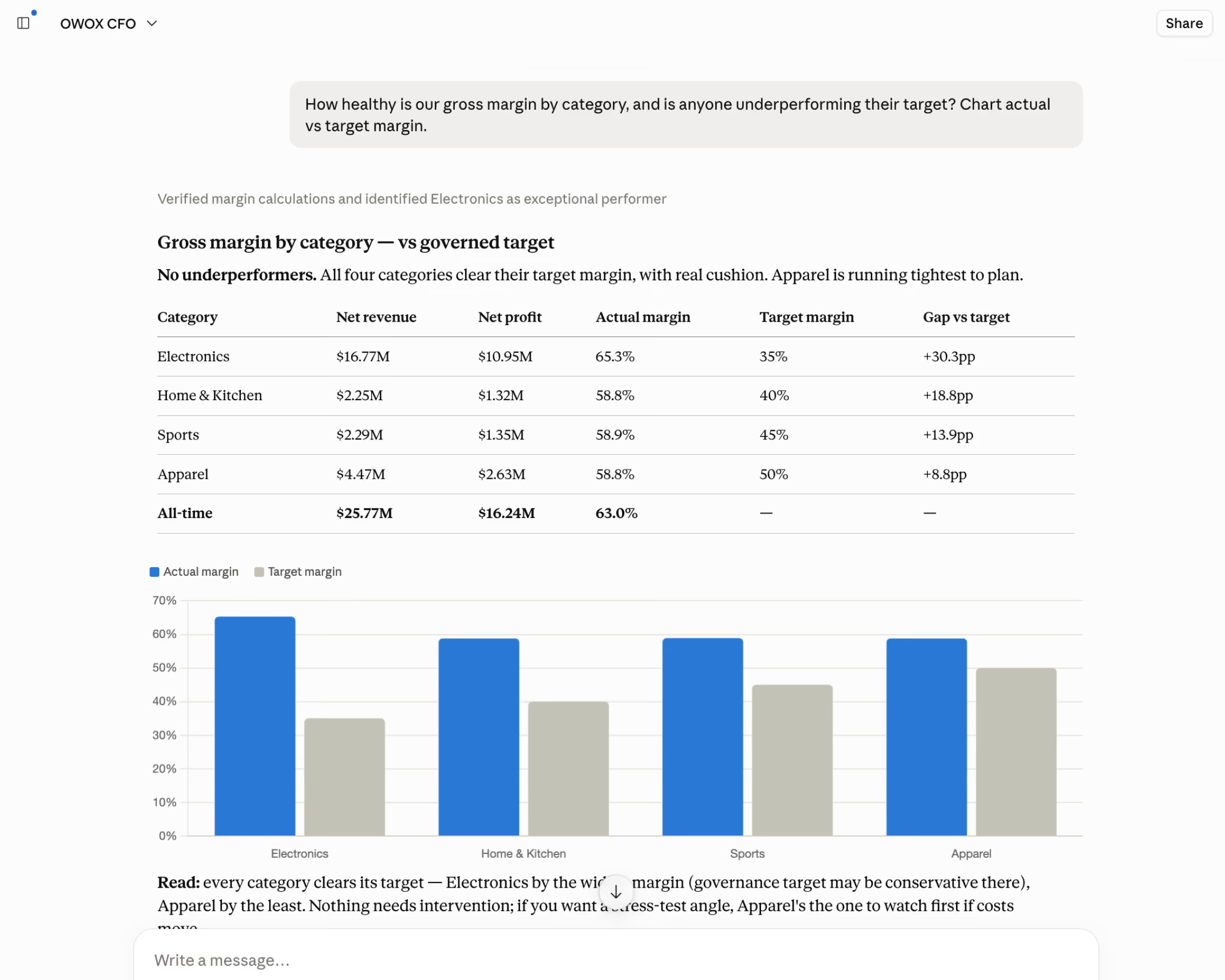
Ask in Claude or ChatGPT: "Q3 revenue vs plan by segment?" You get a board-ready number with the audit trail attached — every figure computed by analyst-approved SQL, never estimated by the model. This is MCP.

Your data team defines revenue, margin, CAC, and LTV as governed metrics — once, with a Reporting Analyst. Board prep drops from days to minutes.
Your data team defines the metrics. Every team self-serves. AI delivers financial briefs. The reconciliation problem disappears because you eliminated the root cause: multiple definitions.
Each metric gets one SQL definition, one owner, one description. "Revenue" means the same thing everywhere.
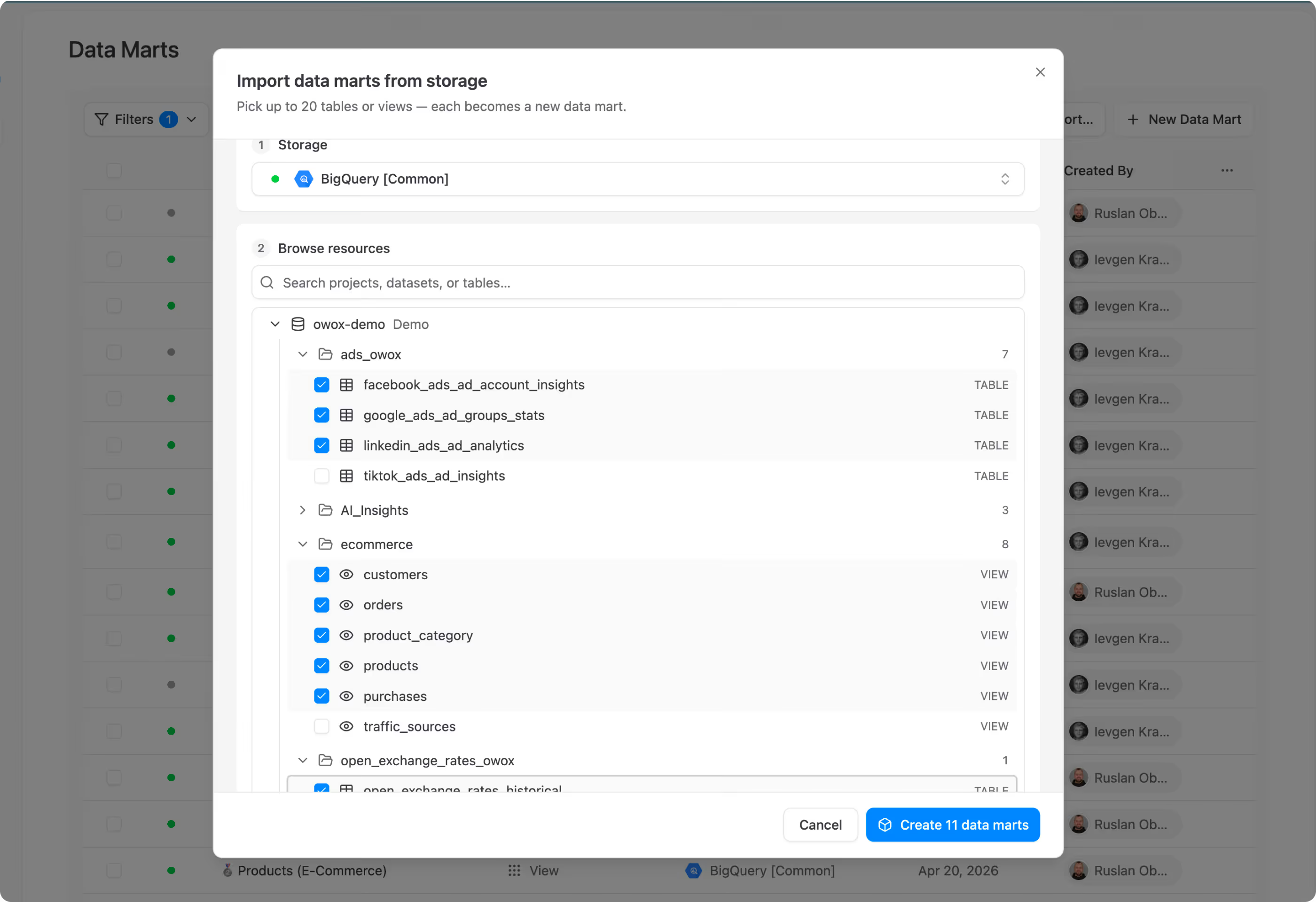
Marketing, sales, ops, and finance browse the same library in Sheets. No spreadsheet silos.

Revenue trends, margin shifts, anomalies — delivered before every board meeting. Every number traceable.
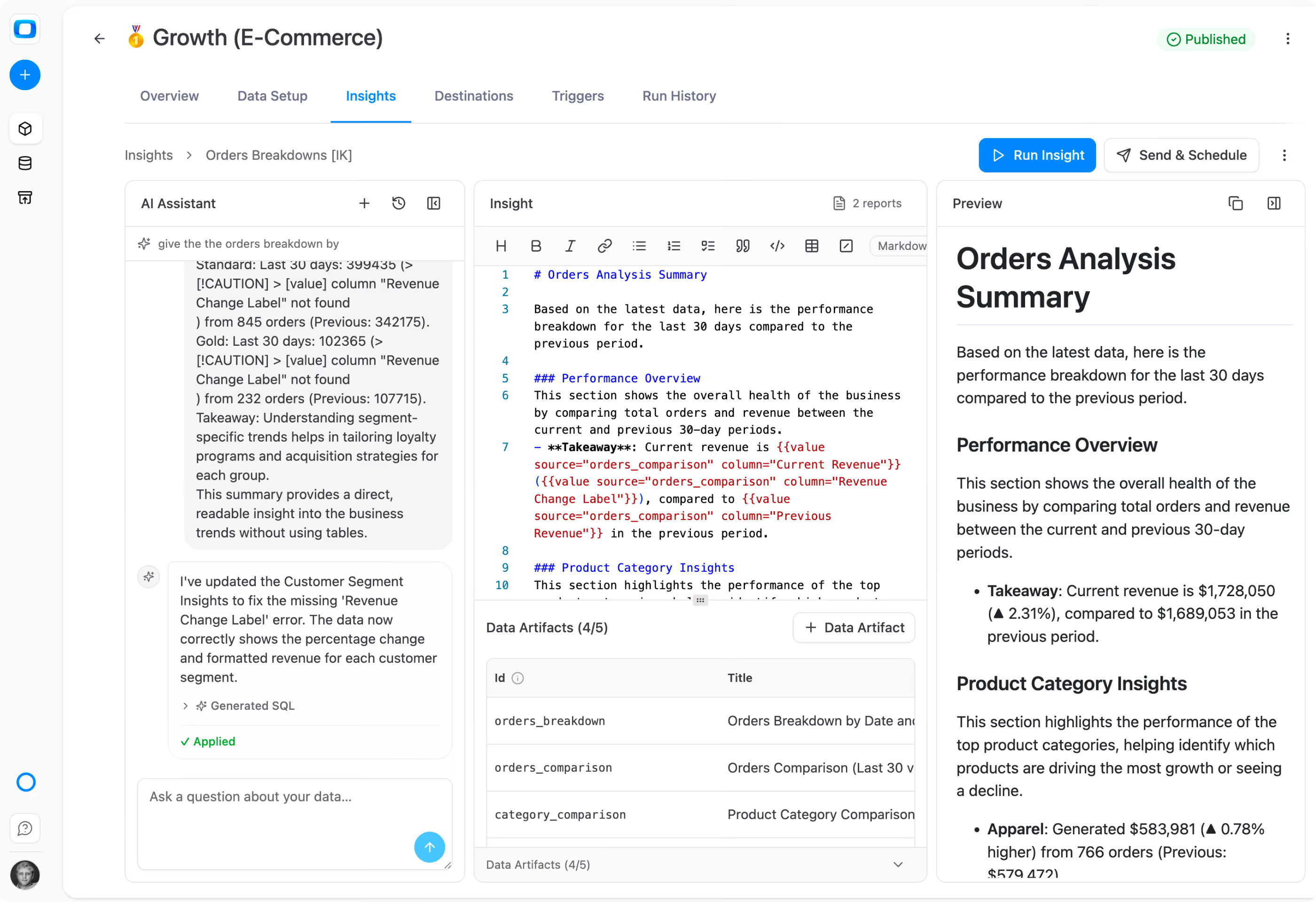
When every metric has one definition and one owner, the financial reporting workflow transforms.

Revenue, margin, and CAC numbers are the same everywhere because they come from the same governed source. No reconciliation sprint.

Regulators, auditors, your CEO — anyone can trace any number back, the definition, and the analyst who approved it. No black boxes.

When both departments pull "revenue" data from the same source, the $300K gap between their reports disappears.

Finance teams that put one definition behind every metric
Your data team sets up a Reporting Analyst once: it defines each financial metric as a governed source — one SQL definition, one owner, full lineage. When leaders want to ask "why did margin slip in EMEA?" in plain language, the Senior Analyst answers in Slack or your AI assistant, traceable to SQL. For audit, SSO, and compliance at scale, that's Enterprise.
Send this to your data team. They’ll define your financial metrics as governed metrics. Every team pulls the same number. Board prep takes minutes.
See how your financial metrics flow from warehouse to governed sources to board-ready briefs — with your actual chart of accounts in mind.