OWOX gives revenue teams direct access to governed sales data — pacing, growth rate, basket by segment — right from Claude or ChatGPT. One-click in Google Sheets. No lagging weekly decks. No promos that quietly lose money. No stalls you spot too late.
↓ A real head of sales, mid-conversation. Try it — click anything.

Sales, marketing, and finance each have their own version of pipeline, attribution, and revenue. Your forecast lives in a spreadsheet nobody can audit. And when the board asks "are we going to hit the number?" — you’re not sure which pipeline to believe.
Pipeline numbers reconcile because CRM, marketing, and revenue data pull from the same governed source.
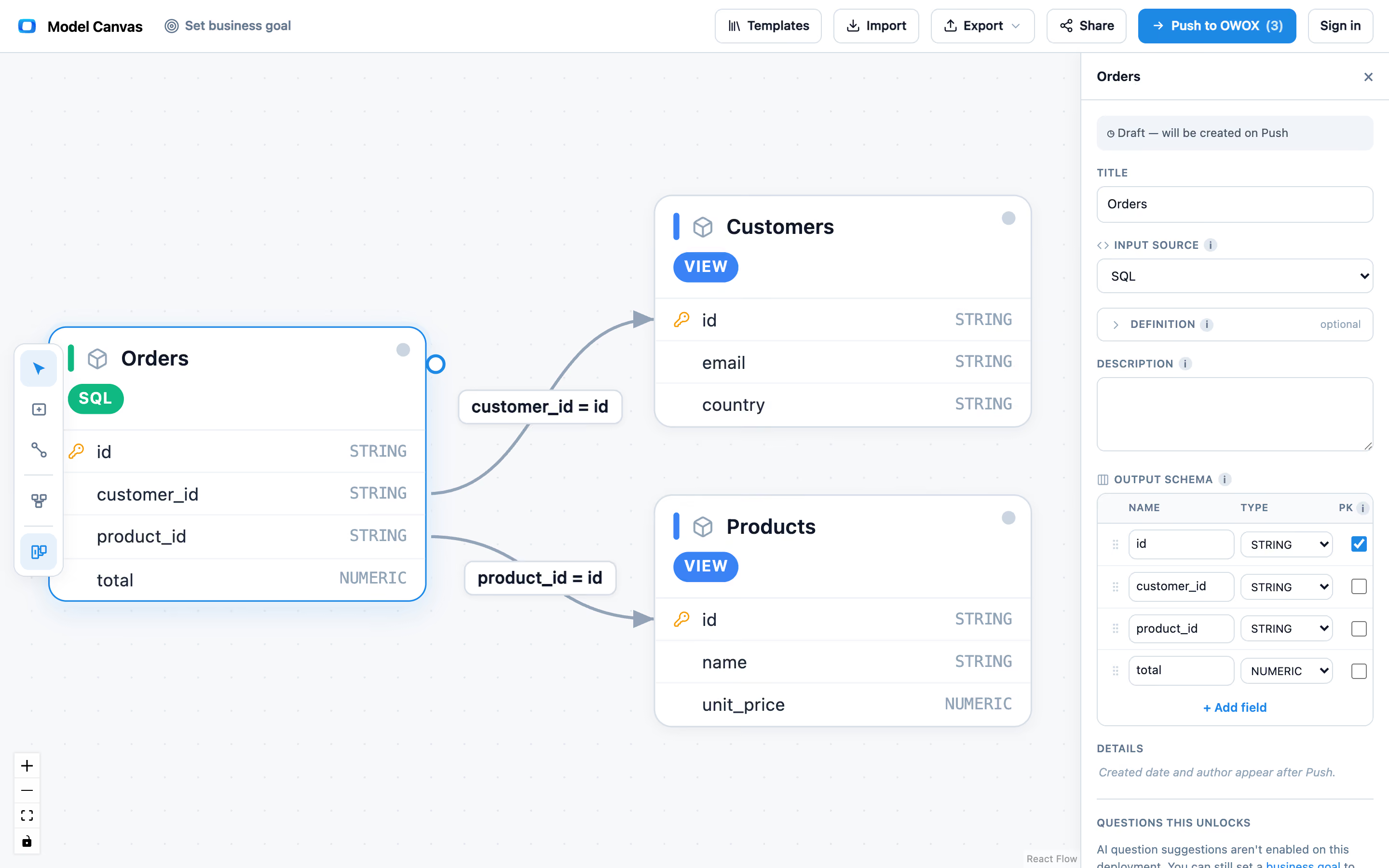
Get started free →Your RevOps team joins CRM, marketing, and revenue data in the warehouse and publishes it as a governed library. One definition per metric. One source of truth.
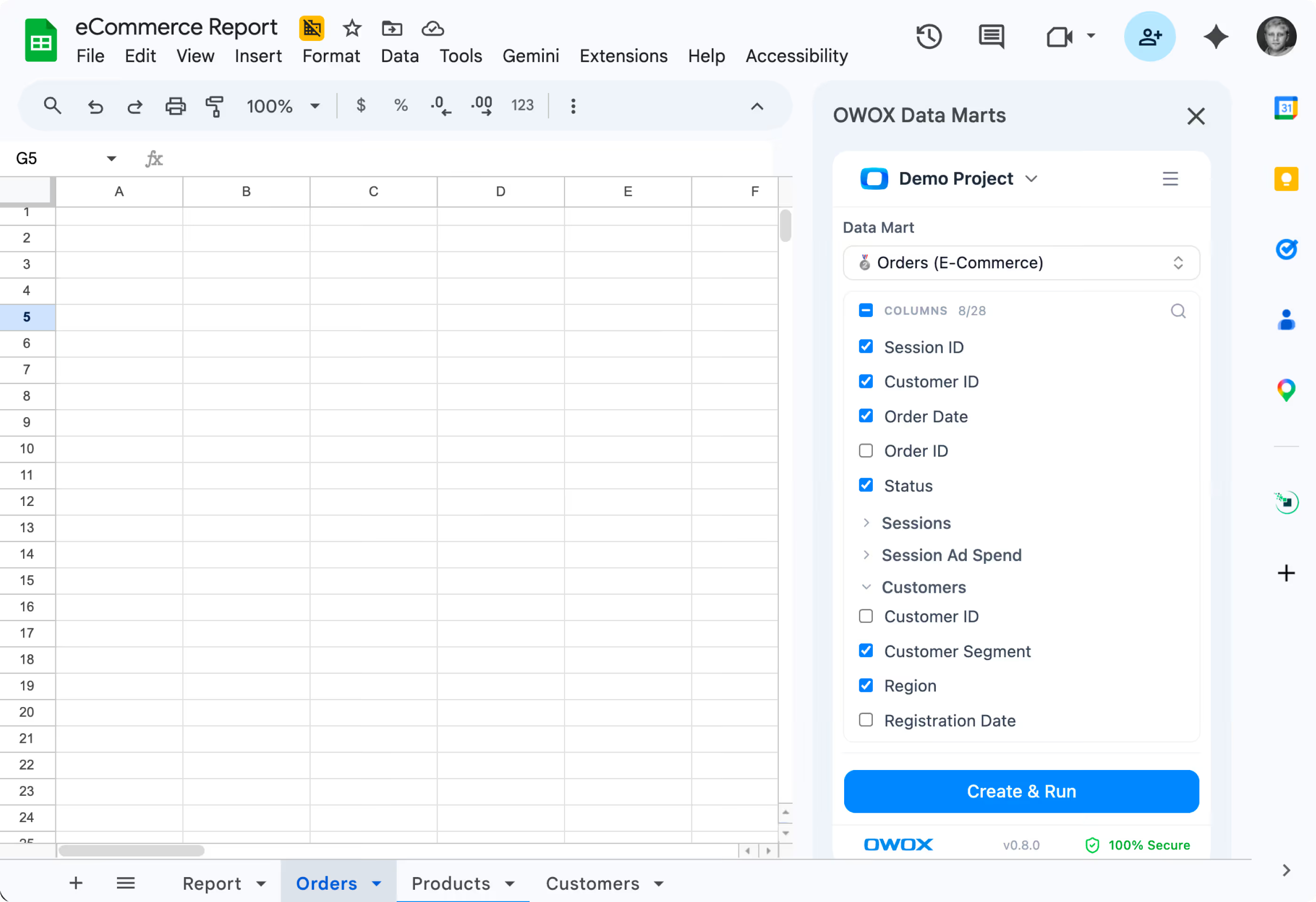
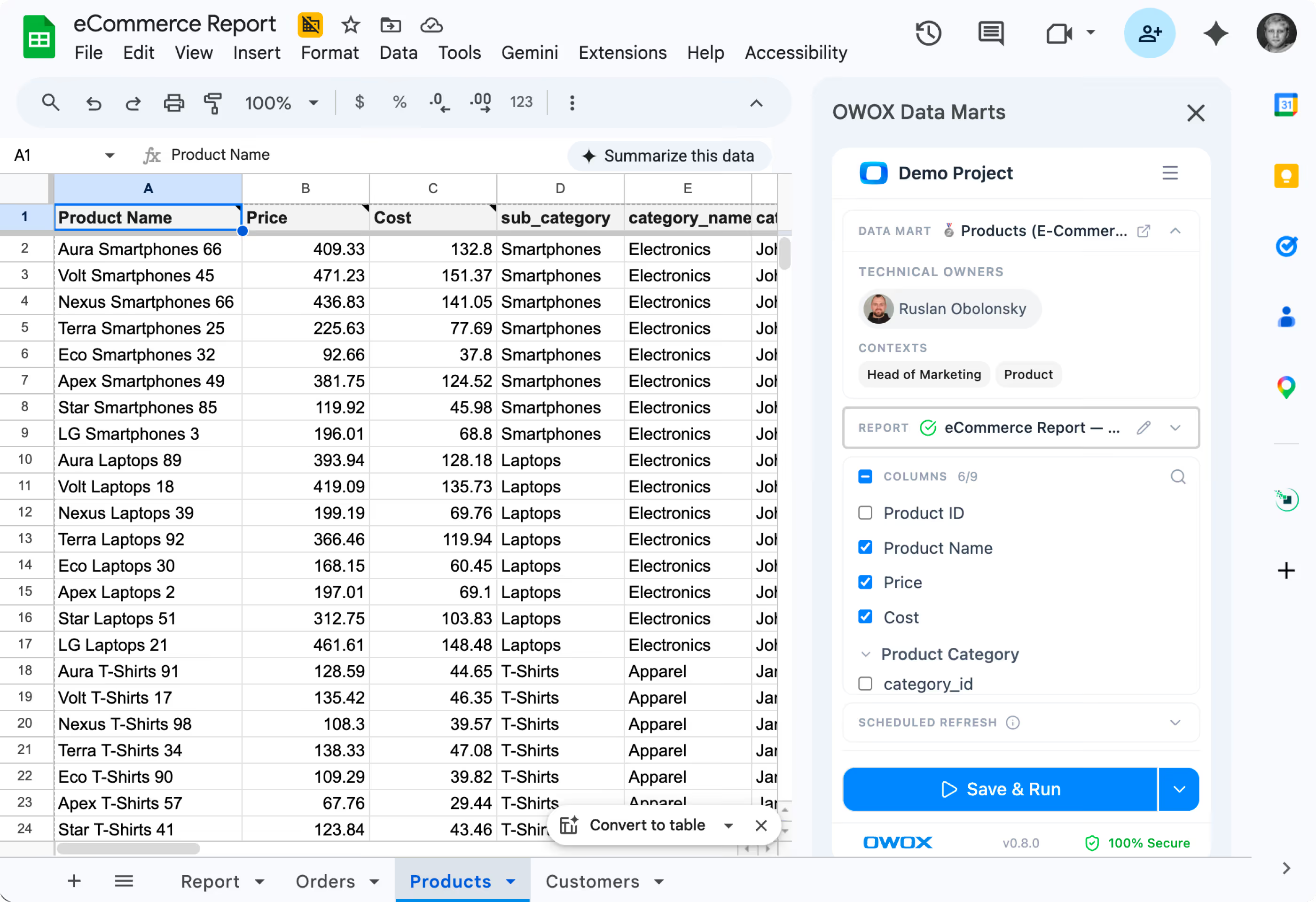
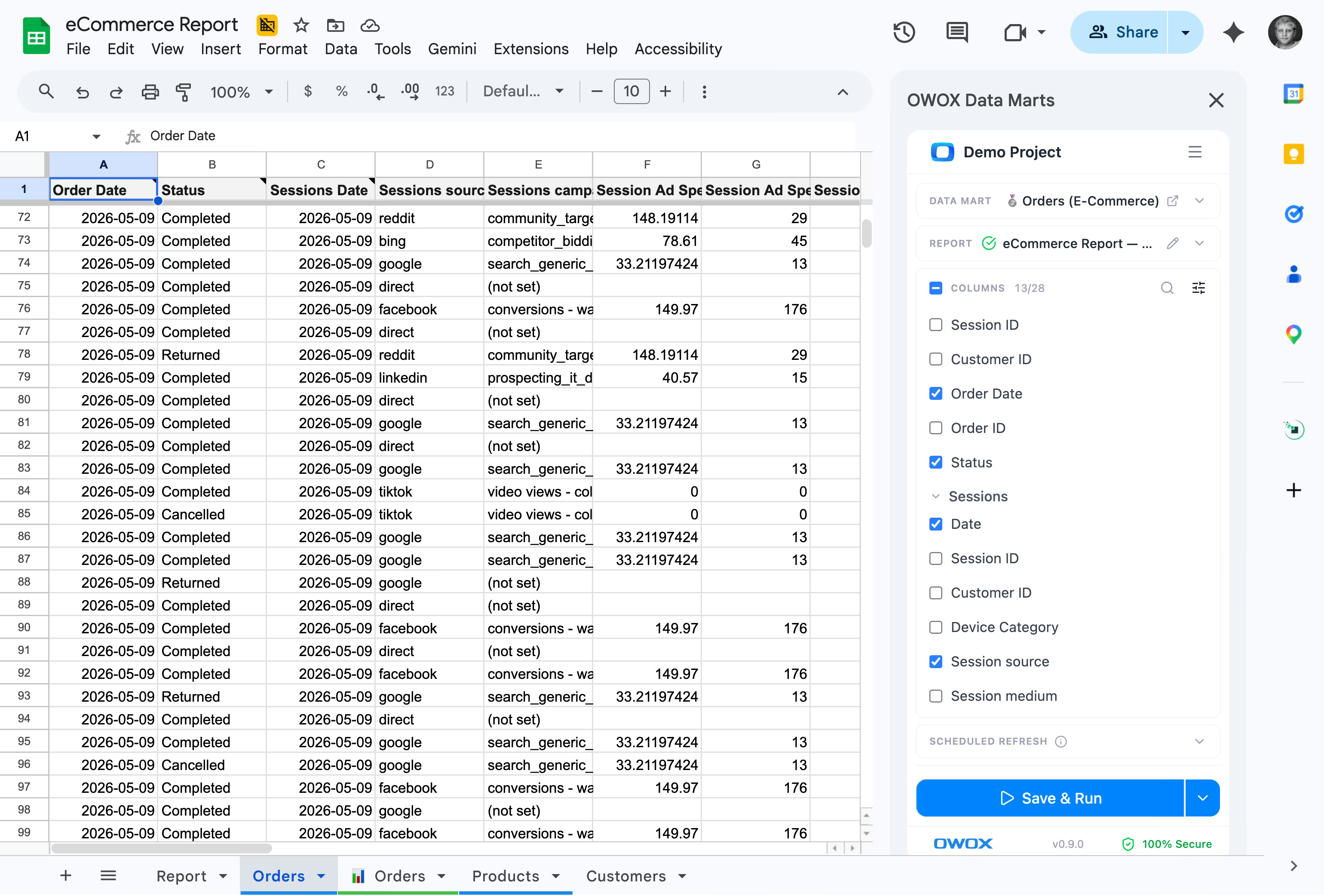
The OWOX sidebar puts the pipeline library inside Google Sheets. Your sales managers browse, join, filter by region, and refresh. No RevOps in the loop.
Forecast confidence. Zero hallucinations.
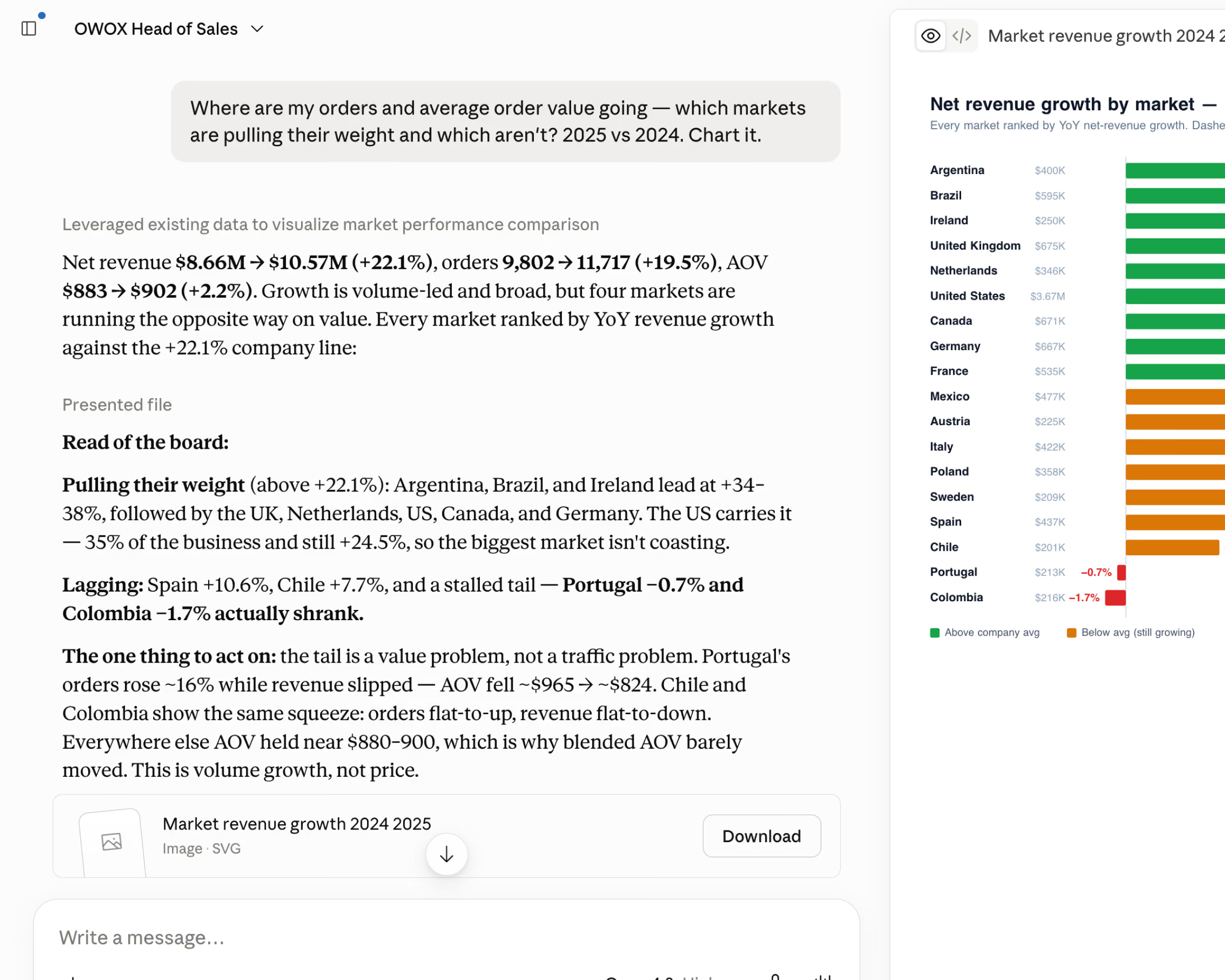
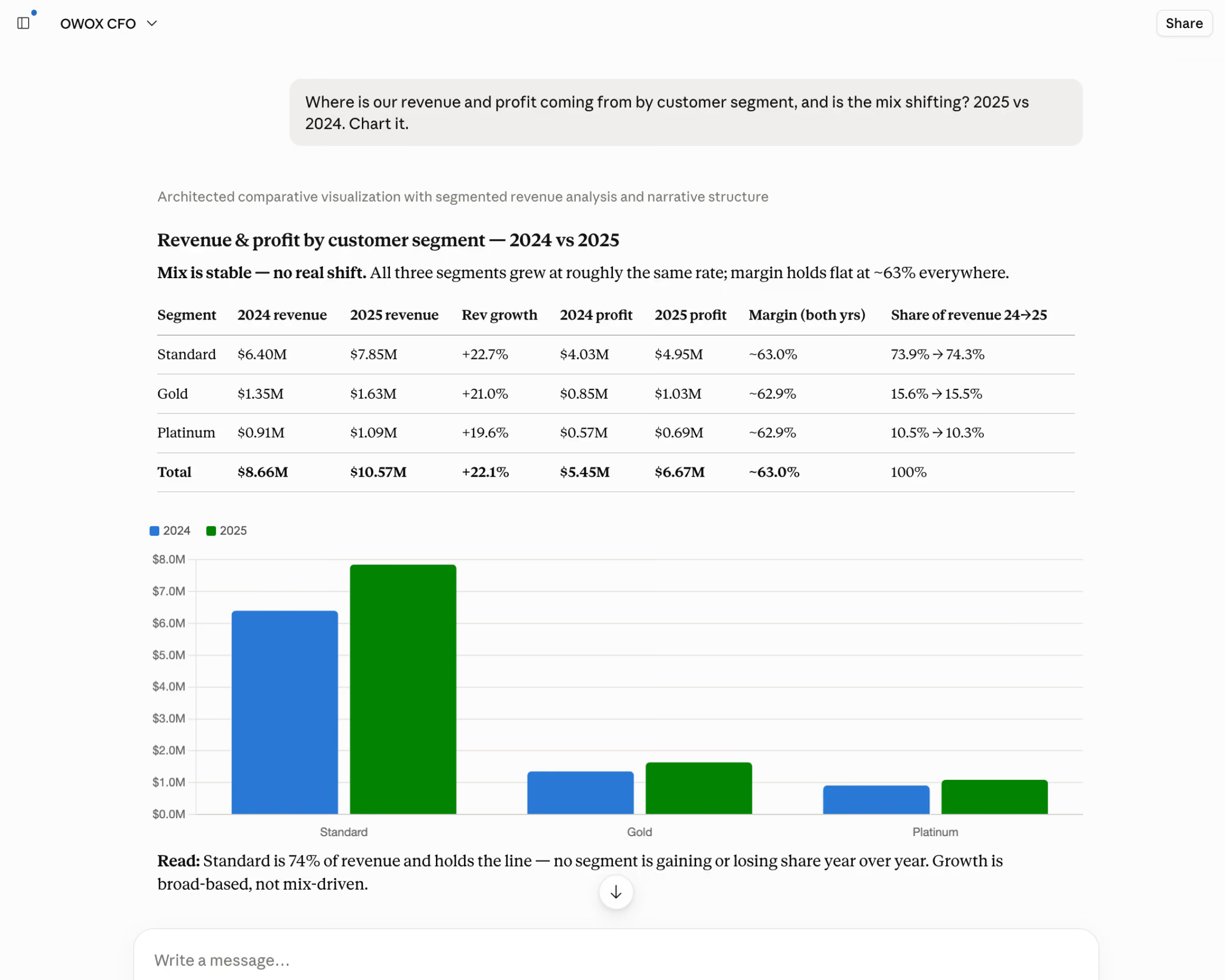
Ask in Claude or ChatGPT: "weighted pipeline by stage and rep vs last quarter?" You get a forecast-grade number with the trail attached — computed by analyst-approved SQL over your governed CRM+revenue joins, never guessed by the model. This is MCP.

Send this to your RevOps lead. They’ll join CRM, marketing, and revenue data. Monday pipeline reviews finally use numbers everyone agrees on.
Your RevOps team builds the library. Your sales org self-serves. AI delivers pipeline intelligence. The reconciliation meetings end.
CRM, marketing, and revenue data joined and published as governed Data Marts. One definition per metric.
Sales managers open Sheets, browse the pipeline library, filter by rep or region, refresh. No RevOps bottleneck.
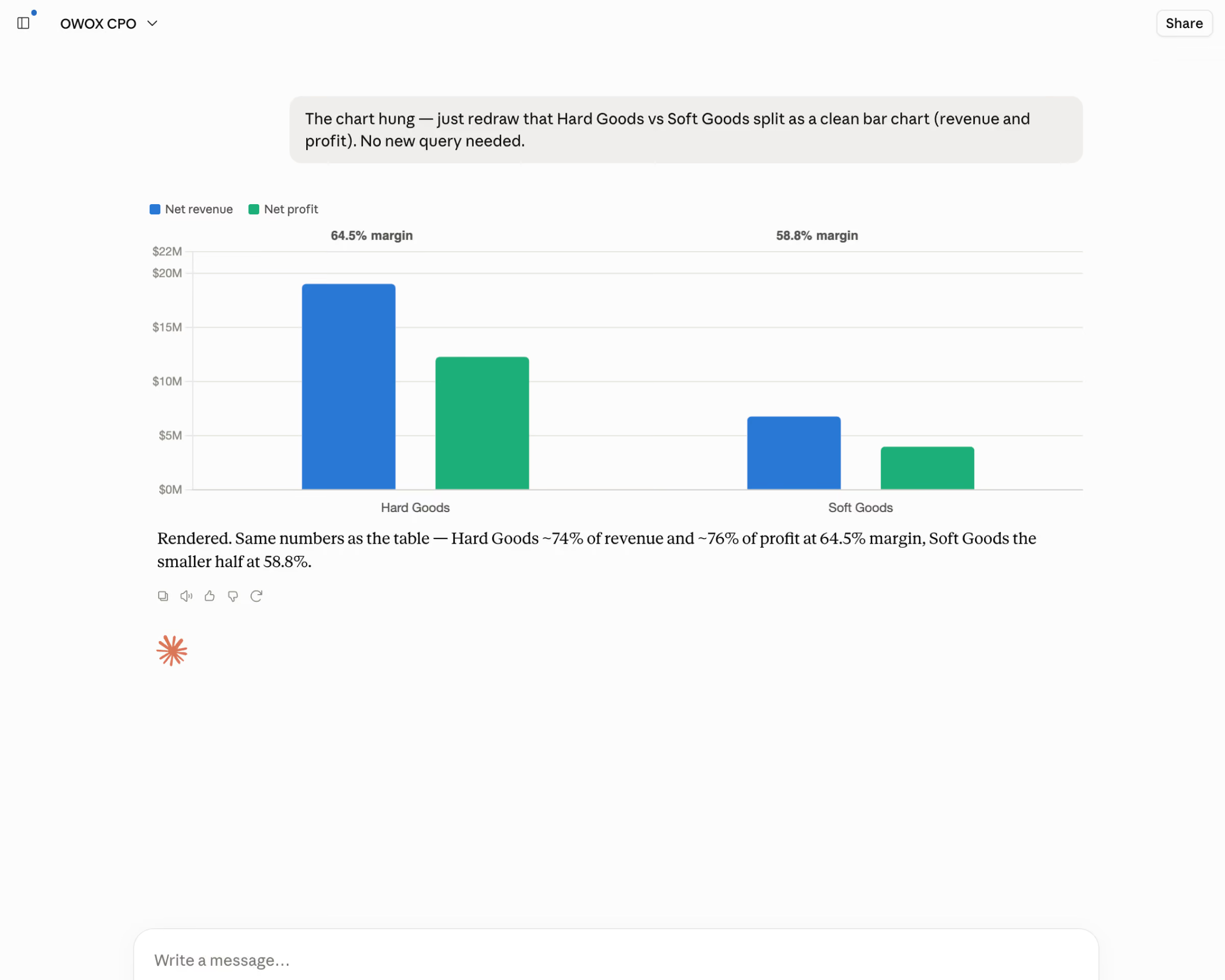
Pipeline narrative — conversion rates, velocity, forecast confidence — to Claude or ChatGPT every Monday. Deterministic.
When pipeline, attribution, and revenue pull from the same governed source, the sales org transforms.

MQL-to-close tracing in one view. Marketing sees which leads converted. Sales sees which efforts mattered. No more "your MQLs were junk" arguments.

Pipeline data is governed, versioned, deterministic. Your forecast has a foundation, not a formula you inherited.

When the sales team self-serves pipeline data, your RevOps lead stops spending 20 hours/week on snapshots and starts optimizing the process.

Teams that ended the pipeline reconciliation problem
Your RevOps team sets up a Reporting Analyst once: CRM, marketing, and revenue data joined into a governed library your sales org self-serves. When someone needs to ask "why did win-rate drop in EMEA?" in plain language, the Senior Analyst answers — traceable to SQL, never hallucinated.
Send this to your RevOps lead. They’ll join CRM, marketing, and revenue data. Your sales org self-serves. Monday reviews finally work.
See how your CRM data joins with marketing attribution and revenue — with your actual pipeline in mind.