

What Is the BYTE_LENGTH Function in SQL?
The BYTE_LENGTH function tells you how many bytes a string uses in storage, which is different from how many characters it contains. That makes it especially useful when text includes multibyte characters, when column limits are strict, or when you need cleaner, safer analytics pipelines.
What Is the BYTE_LENGTH Function in SQL?
In SQL, BYTE_LENGTH measures the storage size of a text value in bytes. It does not count visible characters. For simple English text, the byte count and character count may look identical, but that breaks fast once accented letters, non-Latin scripts, or emojis show up in your data.
BYTE_LENGTH vs LENGTH / CHAR_LENGTH
This is the key distinction: BYTE_LENGTH counts bytes, while LENGTH or CHAR_LENGTH often count characters, depending on the SQL dialect. If a string contains only single-byte ASCII characters like A-Z or numbers, the results may match. But with UTF-8 text, one character can take multiple bytes, so BYTE_LENGTH can be much larger.
That difference matters when the database, file format, or API cares about storage size rather than visual text length. Analysts often compare these functions side by side to spot hidden risks before loading data into reporting tables or exports.
When BYTE_LENGTH actually matters (multibyte characters)
BYTE_LENGTH becomes critical when your datasets include international names, campaign text, product descriptions, chat messages, or user-generated content. A field that looks short to a human can still exceed a byte-based limit once encoded.
Typical examples include:
- Japanese, Chinese, Arabic, or Cyrillic text
- Accented characters like é or ü
- Emojis and symbols in ad copy or search terms
- Text moved across systems with strict byte caps
If you skip byte checks, truncation, rejected loads, and broken downstream reports can sneak in quietly. Not fun. Very fixable.
BYTE_LENGTH Syntax and Basic Examples
The function is usually simple to apply, which is great because the problems it helps catch are often anything but simple.
Generic SQL syntax
A common pattern looks like this:
1BYTE_LENGTH(string_expression)
You pass in a text value, column, or expression, and SQL returns the number of bytes used to store it. Exact naming can vary by dialect, so always confirm syntax in your warehouse or database.
Simple query examples on ASCII text
With plain ASCII text, byte count usually matches character count.
Example:
1SELECT BYTE_LENGTH('Data') AS byte_count;
This would typically return 4, because each character uses one byte in standard ASCII-compatible encodings.
Another example with a column:
1SELECT
2  campaign_name,
3  BYTE_LENGTH(campaign_name) AS bytes_used
4FROM campaigns;
This is a quick way to audit whether text fields fit into expected storage boundaries before loading or exporting them.
Examples with emojis and non‑Latin characters
Now the interesting part. A string with 5 characters may take more than 5 bytes. For example, a word in Japanese or a campaign title with a rocket emoji can consume more storage than its character count suggests.
That means these two checks can return different results:
- CHAR_LENGTH(text_value)
- BYTE_LENGTH(text_value)
If your campaign headline is “Sale 🚀”, the visible text is short, but the emoji may take multiple bytes. The same applies to city names, customer names, and search queries in global datasets. This is why byte-level inspection is a must for multilingual analytics.
Practical Use Cases for Analysts
BYTE_LENGTH is not just a technical curiosity. It solves very real reporting and data pipeline headaches.
Checking and enforcing column length limits
Many systems enforce field limits based on bytes, not characters. If you are designing robust SQL schemas, byte-aware validation helps you avoid values that fit visually but break physically.
You can use BYTE_LENGTH in validation rules, filters, or staging checks before inserting into final tables. This is especially useful for text columns tied to APIs, legacy systems, or tightly sized exports.
Catching truncation and load errors in ETL
ETL jobs often fail for boring reasons with painful consequences. One of them is oversized text. BYTE_LENGTH can flag rows likely to be truncated or rejected during ingestion.
For repeatable checks, analysts and engineers may include byte validation logic in transformations or even using BYTE_LENGTH in SQL stored procedures that standardize incoming records before loading them into marts.
This turns “Why did the load fail at 2:13 AM?” into “We caught the issue upstream.” Big win.
Estimating storage and export file sizes
BYTE_LENGTH can also help estimate how much space text-heavy datasets may consume. It is not a full storage calculator, but it gives a practical approximation for content size, especially in CSV-style exports or staging tables.
Summing BYTE_LENGTH across rows can reveal which fields are inflating file sizes, transfer times, or processing costs. That is useful when analysts work with large extracts, text dimensions, or marketing metadata from multiple source platforms.
Cleaning and validating text fields for reporting
Reporting datasets work better when text fields are predictable. BYTE_LENGTH helps identify values that are unexpectedly long, inconsistent, or risky for dashboard labels and grouped dimensions.
It can also be combined with standardization or data masking for sensitive text fields when analysts need to clean messy inputs without exposing raw user content. Byte checks do not replace content quality rules, but they add a strong layer of protection.
Common Pitfalls and Gotchas
BYTE_LENGTH is powerful, but it comes with some sharp edges. Here are the ones analysts hit most often.
Differences across SQL dialects
Not every SQL system implements BYTE_LENGTH the same way. Some use a different function name, some overload LENGTH, and some treat binary and text values differently. Always check your platform’s documentation before assuming behavior.
This becomes even more important when byte checks interact with length-related constraints in SQL. A rule that works in one warehouse may need adjustment in another.
BYTE_LENGTH on NULLs and empty strings
NULL and empty string are not the same thing. In many SQL systems, BYTE_LENGTH(NULL) returns NULL, while BYTE_LENGTH('') returns 0. If you forget that distinction, validation logic can miss records or produce confusing aggregates.
It is a good habit to handle both cases explicitly with conditions or COALESCE where needed.
Unexpected results with mixed encodings
Byte counts depend on encoding. If data moves across systems with different assumptions about character sets, the same visible text may produce different byte results. That can make troubleshooting frustrating when source files, ingestion tools, and warehouses are not aligned.
Mixed encoding issues often show up as strange symbols, load failures, or byte counts that seem too high. When that happens, the function is not broken. Your text pipeline probably is.
BYTE_LENGTH in Data Marts and Reporting
In a data mart, small text issues can become big trust issues. BYTE_LENGTH helps keep reporting tables stable, clean, and ready for business use.
Using BYTE_LENGTH in data quality checks
Analysts often use BYTE_LENGTH in QA queries to flag rows that exceed expected limits before data reaches dashboards. This can be part of staging validation, scheduled monitoring, or pre-publish checks on curated marts.
If you want to move faster, you can even generate BYTE_LENGTH-based validation queries for repetitive audits, then refine them for your exact schema and business rules.
Example: validating marketing text fields in a reporting mart
Imagine a marketing reporting mart with campaign_name, ad_title, and search_term fields. The downstream BI layer expects ad_title to stay under a byte threshold because of export and connector limits.
A practical validation query might look like this:
1SELECT ad_id, ad_title, BYTE_LENGTH(ad_title) AS title_bytes
2FROM mart_marketing_ads
3WHERE BYTE_LENGTH(ad_title) > 100;
This instantly isolates rows that may fail downstream. If some titles include emojis, accented text, or multiple languages, BYTE_LENGTH will catch byte overages even when the titles look short in the dashboard preview. That is exactly the kind of hidden issue analysts want to expose early.
OWOX Data Marts Context
Byte-level checks are a quiet superpower in analytics engineering. They help keep marts reliable when real-world text gets messy.
Why byte-level string checks matter in analytics-ready data
Analytics-ready data is supposed to be clean, structured, and dependable. But source systems do not always cooperate. Marketing platforms, forms, CRMs, and imported files can all send text that behaves differently once stored, transformed, or exported.
BYTE_LENGTH helps teams validate those text fields before they create broken joins, rejected loads, or ugly labels in reports. It is a small function with a very practical job: protect data quality where character counts alone are not enough.
Where BYTE_LENGTH typically appears in real workflows
In real analytics workflows, BYTE_LENGTH often appears in staging checks, transformation logic, load validation, export preparation, and data quality monitoring. It is especially common in multilingual marketing data, customer-entered text, and any field with connector or destination limits.
Whenever a pipeline needs to prove that text fits not just logically, but physically, BYTE_LENGTH earns its place. It is one of those low-drama, high-impact functions analysts are glad to have in the toolbox.
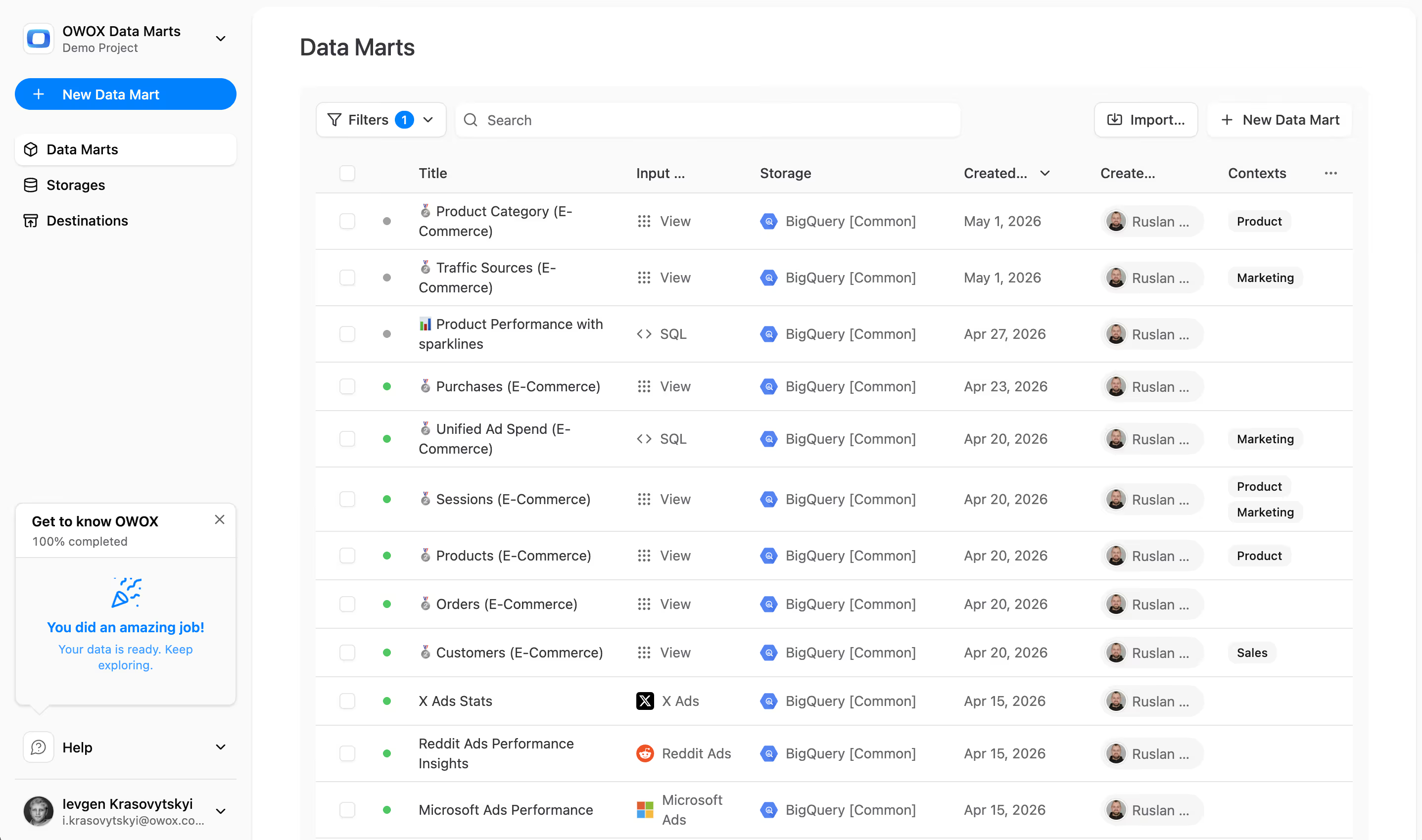
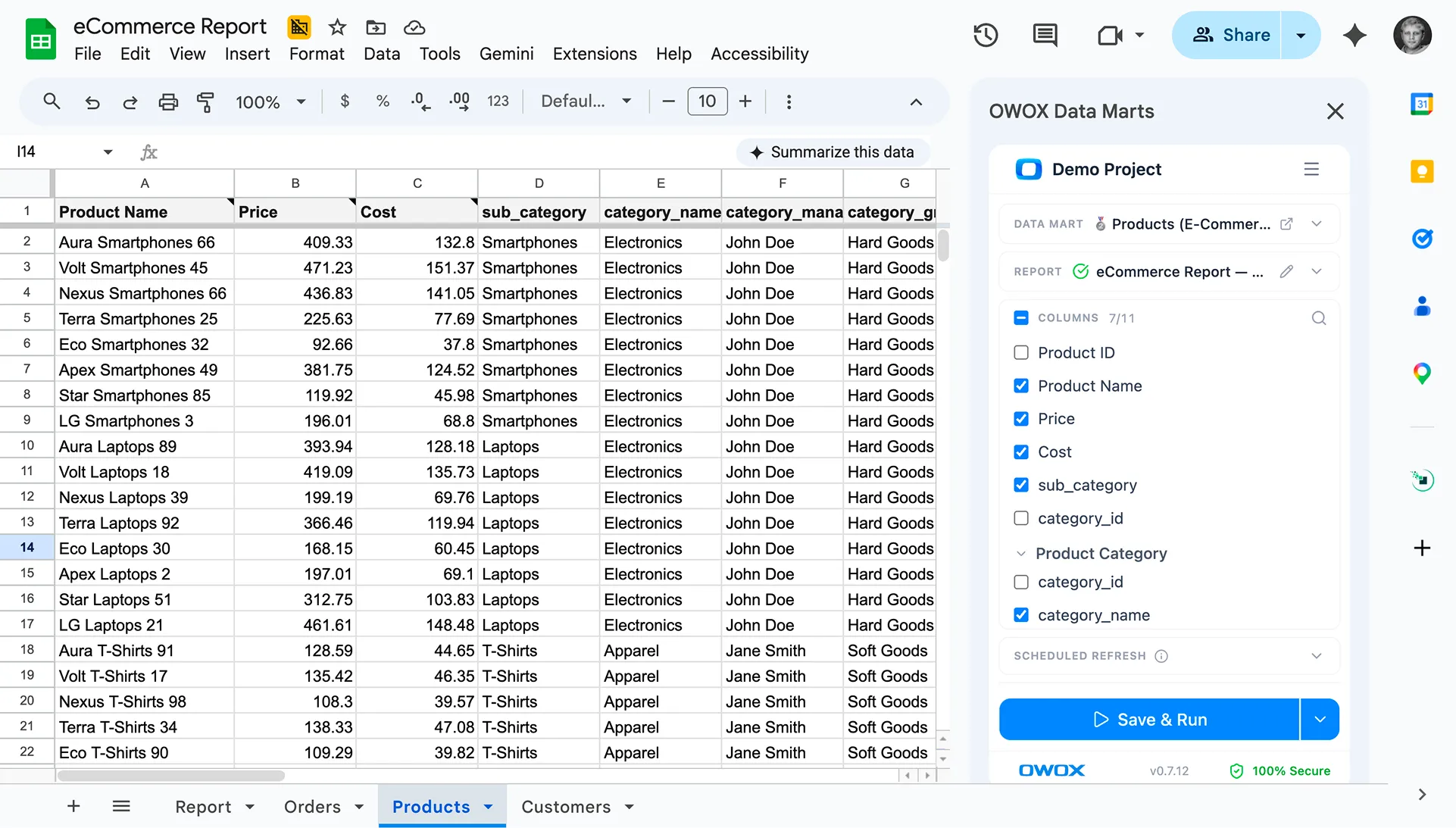
Want cleaner, analytics-ready tables with fewer text-field surprises? Build smarter data marts, streamline reporting workflows, and keep validation close to the source with OWOX Data Marts.
%202.png)



"AI by its nature will hallucinate. You need guardrails so you can trust your data."
"We had six or seven different channels and no single source of truth. It was almost impossible"
"We regained time. And time is the one resource that never comes back."