What Is Data Definition Language (DDL)?
DDL allows administrators and developers to efficiently structure and modify databases by defining their schema and architecture through specific commands.
DDL is a crucial part of SQL used for creating and managing a database’s structure. It allows users to define tables, modify the database’s schema, and control access to objects.
Commands such as CREATE, ALTER, and DROP are commonly used to manipulate the layout of databases. Unlike DML (Data Manipulation Language), which handles the data itself, DDL focuses on defining the structures where data is stored.
How DDL Statements Are Applied in Databases
How DDL Statements Are Applied in Databases
DDL statements are essential for defining the architecture of a database. For instance:
- The CREATE statement defines new database objects such as tables, indexes, or views. When a new table is created, the database administrator specifies its columns, data types, and constraints, all determining how the data within the table will be stored and accessed.
- The ALTER statement allows modifications to existing objects, such as adding a new column to a table, changing the data type of a column, or renaming a table. This is critical for adapting to changing data needs without rebuilding the entire database.
- The DROP statement permanently deletes database objects like tables or indexes, freeing up storage and ensuring that obsolete or redundant data structures are removed from the system. These operations form the backbone of a database lifecycle, managing the creation and modification of the objects that store and organize data.
Key Examples of Common DDL Statements
Key Examples of Common DDL Statements
Several key DDL statements form the core operations in database management:
- CREATE: Used to create a new database object (e.g., table, index, schema). For example, CREATE TABLE employees (id INT, name VARCHAR(100), salary DECIMAL(10, 2)); create a new table with columns for employee data.
- ALTER: This command modifies the structure of an existing object. For instance, adding a new column to a table can be done using: ALTER TABLE employees ADD email VARCHAR(255);. ALTER allows database structures to evolve as data requirements change.
- DROP: Used to remove database objects. For example, DROP TABLE employees; would permanently delete the “employees” table, including all the data it contains.
- TRUNCATE: This statement removes all data from a table without deleting the table itself. It is often used for performance reasons when clearing data quickly without modifying the table’s schema: TRUNCATE TABLE employees;
OWOX Data Marts
See your first report built in real time. 15 minutes.
- Connect your data warehouse
- Pick your metrics
- Get a live Google Sheets report
In the time it takes to write a ticket. Then imagine never writing that ticket again.
Book a DemoWe'll use your actual use case
The Role of DDL in SQL Operations
The Role of DDL in SQL Operations
In SQL operations, DDL plays an essential role in managing the underlying structure of the database, while DML handles the data stored within it. For instance, a table must be created with DDL before any data can be inserted into a database using DML. This means that DDL provides the framework necessary for DML operations to function.
In modern databases, DDL is also used to enforce integrity constraints, such as primary keys, foreign keys, and unique constraints. These ensure that the data adheres to the rules the database schema sets, preventing issues like duplicate entries or orphaned records.
DDL commands also support user access control by defining who can access certain database objects through the GRANT and REVOKE commands, providing a way to enforce security policies at the database level.
Dive Deeper into DDL Statements
Dive Deeper into DDL Statements
To gain a deeper understanding of DDL statements and how they impact database architecture, explore advanced resources or case studies that provide real-world examples of DDL implementation in modern database systems. Learn how DDL integrates with other SQL subsets to form a complete database management strategy.
Simplify Data Definition Language (DDL) Management with OWOX Data Marts
Simplify Data Definition Language (DDL) Management with OWOX Data Marts
Managing DDL scripts, from table creation to schema updates, can be cumbersome across multiple databases and teams. With OWOX Data Marts, you can centralize and automate the management of DDL statements, ensuring consistency in table structures, relationships, and metadata. Every change is documented, versioned, and governed, giving analysts full control over schema evolution and data integrity.


Learn how teams ship analytics faster
Organizations that scaled analytics without scaling headcount
 "For 10 years I was blind." The day Pürblack® founder stopped guessingSecondsto get reports across six channelsRead the story
 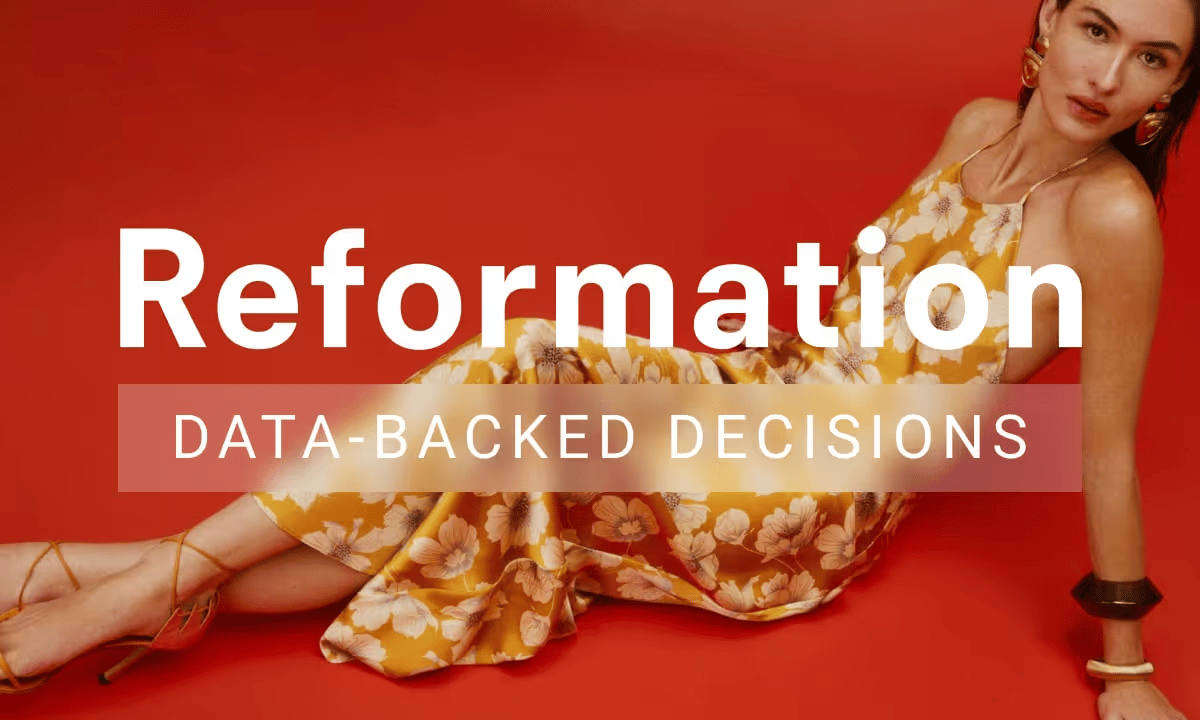 How OWOX Reports Helped Reformation Make Data-Backed DecisionsMinutesfrom data request to business decisionRead the story
  How OWOX Reports Streamlined Operations for WorkSimpli, Saving Over 10 Hours Weekly10hrs+saved per week on manual reportingRead the story
 Not testimonials. Comment threads.
Real things real customers said — each quote pinned to a specific claim, straight from the quotes database.
 Nodari RizunFounder & CEO, Pürblack®
“AI, by the nature of the models, will hallucinate. And because of that, you need something which will create guardrails to ensure that there are no hallucinations, that you can trust your data.”
Nodari RizunFounder & CEO, Pürblack®“I was blind, now I can see. OWOX opened our eyes.”
“We are extremely satisfied with the results achieved through our partnership with OWOX. I'm also impressed by quick and effective support we get from OWOX”
Turn your data into decisions.
Governed data marts give you the clean foundation ML needs to actually work.
- No AI hallucinations
- Analyst-governed definitions
- Every number traces to SQL