Branded vs. Non-Branded Traffic

Branded vs. non-branded traffic
Branded vs. Non-Branded Traffic reveals how much of your website traffic comes from users searching for your brand name versus general keywords. Here's everything you need to know: what it is, why it matters, how to track it, and how to use it to improve SEO and paid campaigns.
What is branded vs. non-branded traffic?
What is branded vs. non-branded traffic?
Branded Traffic includes users who reach your site by searching for your brand name or branded keywords. Non-Branded Traffic comes from users who find your site using generic or category-related keywords. This distinction helps marketers understand brand awareness and discoverability.
Why is branded vs. non-branded traffic important?
Why is branded vs. non-branded traffic important?
Branded vs. Non-Branded Traffic helps measure brand strength and campaign impact. Branded Traffic signals strong brand recognition, while Non-Branded Traffic reflects your ability to attract new users who may not yet know your brand.
How to calculate branded vs. non-branded traffic
How to calculate branded vs. non-branded traffic
Use tools like Google Search Console, Google Ads, or SEO platforms to segment traffic by keyword type. Keywords that include your brand name or variations count as Branded; everything else is Non-Branded.
OWOX Data Marts
See your first report built in real time. 15 minutes.
- Connect your data warehouse
- Pick your metrics
- Get a live Google Sheets report
In the time it takes to write a ticket. Then imagine never writing that ticket again.
Book a DemoWe'll use your actual use case
The branded vs. non-branded traffic formula:
The branded vs. non-branded traffic formula:
Branded Traffic = Sessions from Brand-Related Keywords and Non-Branded Traffic = Sessions from General or Category Keywords
Example of branded vs. non-branded traffic in action
Example of branded vs. non-branded traffic in action
If your site receives 10,000 search-driven sessions in a month, and 6,000 of those came from users searching for your brand name, your Branded Traffic is 60%. The remaining 40% is your Non-Branded Traffic – users who discovered your site through broader search terms.
Optimize your branded vs. non-branded traffic with OWOX Data Marts
Optimize your branded vs. non-branded traffic with OWOX Data Marts
OWOX Data Marts helps you separate, compare, and analyze Branded vs. Non-Branded Traffic across channels. Identify how much traffic comes from loyal users versus discovery, and optimize your campaigns to balance both.
What is a good branded vs. non-branded traffic balance?
What is a good branded vs. non-branded traffic balance?
A healthy balance varies by business stage. Established brands may see 60–70% Branded Traffic, while growing brands benefit from higher Non-Branded Traffic, signaling SEO and outreach effectiveness.
What is a bad branded vs. non-branded traffic mix?
What is a bad branded vs. non-branded traffic mix?
Relying too heavily on Branded Traffic may suggest low discoverability, while too much Non-Branded Traffic without strong conversion may mean you’re not attracting qualified users.
Best practices for branded vs. non-branded traffic
Best practices for branded vs. non-branded traffic
Use these strategies to strengthen both traffic types and build a well-balanced acquisition funnel.
Grow non-branded traffic with SEO
Target high-intent, non-branded keywords in content and landing pages to attract new audiences and increase discovery.
Protect branded traffic with PPC
Bid on your branded keywords in search ads to ensure visibility and reduce the chance of competitors capturing brand-aware traffic.
Use attribution modeling
Measure how Non-Branded Traffic contributes to early awareness and how it later converts through Branded interactions.
Common mistakes to avoid with branded vs. non-branded traffic
Common mistakes to avoid with branded vs. non-branded traffic
Ignoring keyword intent or failing to track branded terms separately can blur insights. Always tag and analyze keyword performance to understand audience behavior.
Learn how teams ship analytics faster
Organizations that scaled analytics without scaling headcount
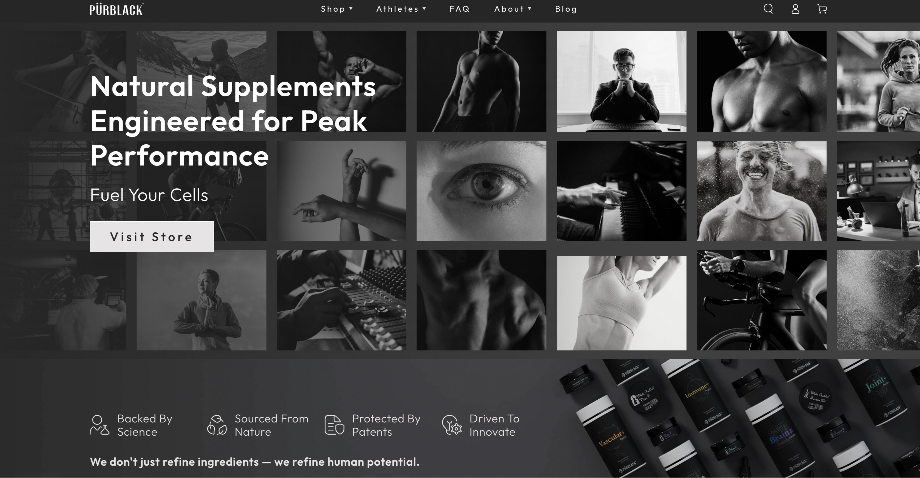 "For 10 years I was blind." The day Pürblack® founder stopped guessingSecondsto get reports across six channelsRead the story
 How OWOX Reports Helped Reformation Make Data-Backed DecisionsMinutesfrom data request to business decisionRead the story
 How OWOX Reports Streamlined Operations for WorkSimpli, Saving Over 10 Hours Weekly10hrs+saved per week on manual reportingRead the story
Not testimonials. Comment threads.
Real things real customers said — each quote pinned to a specific claim, straight from the quotes database.
 Mark SimmonsCMO, Pürblack®
“We had six or seven different channels and no single source of truth — it was almost impossible, a lot of guesswork.”
 Nodari RizunFounder & CEO, Pürblack®
“Golden data is clean data — the measure of reality, true and not false, that you can trust based on its source. If you have that, you're good.”
Nodari RizunFounder & CEO, Pürblack®“Most businesses look at a Shopify or Google Analytics dashboard and think it's the source of truth. It's not — that data was never cleaned.”
Rediscover your data analytics with OWOX Data Marts.
Connect your sources, define Branded vs. Non-Branded Traffic once, and read the same number in Sheets, BI and AI chat.
- No AI hallucinations
- Analyst-governed definitions
- Every number traces to SQL