

What Is Data Team Culture?
Data team culture defines the shared mindset and practices of people who work with data inside an organization.
A strong data team culture promotes collaboration, curiosity, and accountability. It ensures that analysts, engineers, and business stakeholders align on how data is used to drive decisions.
Instead of working in silos, teams operate with shared principles - encouraging transparency, documentation, and proactive problem-solving. This kind of culture lays the foundation for trustworthy insights and long-term data success.
How to Build a Strong Data Team Culture
Creating a strong data team culture starts with shared values. Teams should define clear data principles and promote them through onboarding, documentation, and leadership behavior.
Regular collaboration between technical and non-technical members also helps bridge gaps and foster trust. Encouraging feedback, peer reviews, and cross-functional standups strengthens ownership. The goal is to create a culture where data isn’t just a task- it’s part of how everyone works and thinks.
How Data Team Culture Improves Decision-Making and Outcomes
When teams share a culture of quality and transparency, they make better decisions faster. A strong culture ensures that data definitions, assumptions, and models are consistent across reports and dashboards. This reduces miscommunication and builds confidence in data-driven actions.
It also enables better collaboration with other teams, improves agility, and leads to more personalized customer experiences and optimized business strategies.
How Technology Shapes a Strong Data Team Culture
The right tools can reinforce your team’s data culture by supporting workflows, collaboration, and governance. Centralized data catalogs, version-controlled pipelines, and cloud-based analytics platforms enable teams to work efficiently and transparently.
Tools that offer visibility into lineage, ownership, and usage help teams understand how data flows and why decisions were made. When technology aligns with team values, it becomes a multiplier for culture, not just infrastructure.
To understand the full impact of data team culture, explore how organizations structure their data practices, empower collaboration, and embed shared values across people and platforms. This broader perspective helps clarify how strong cultural habits reduce silos and lead to long-term success with analytics.
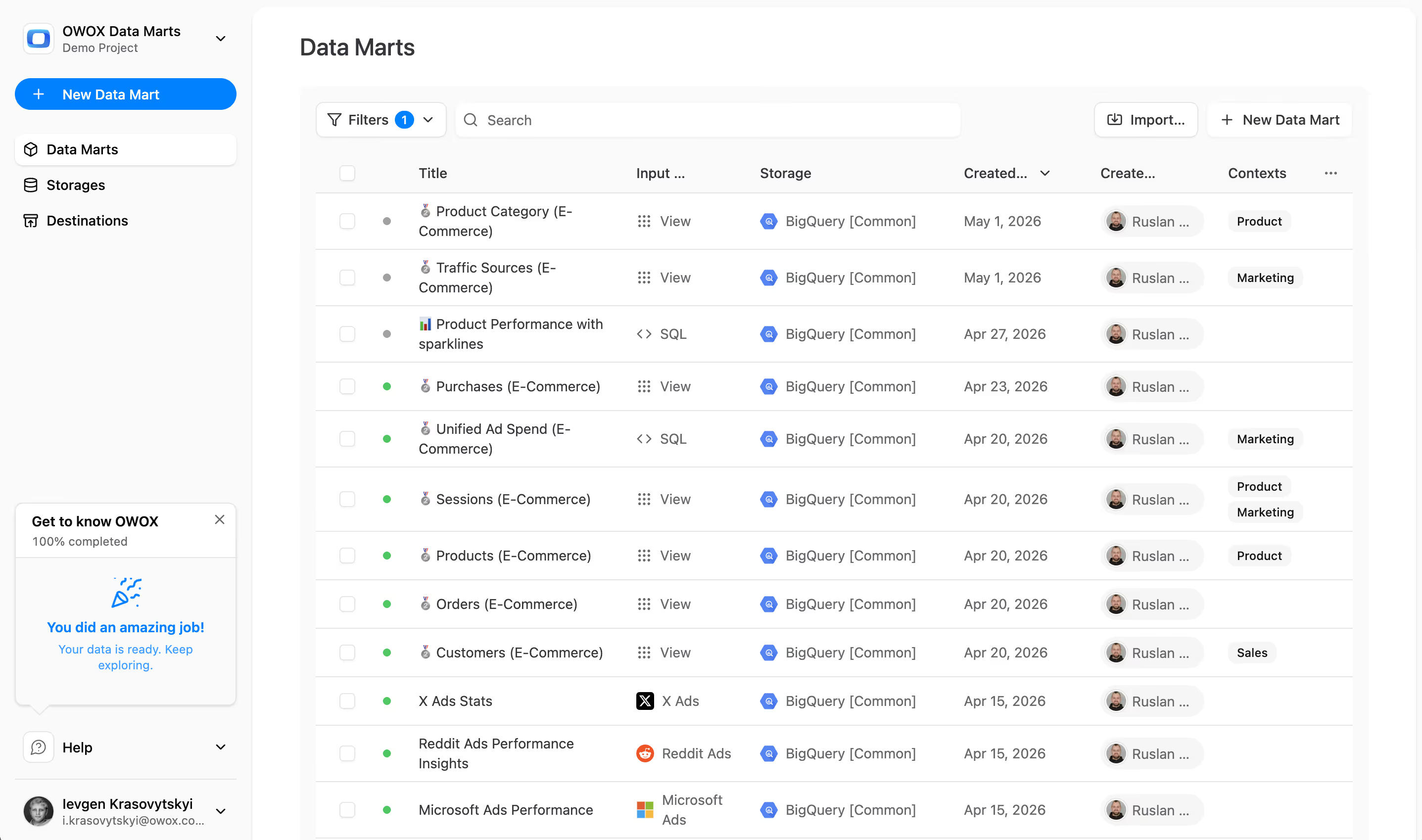
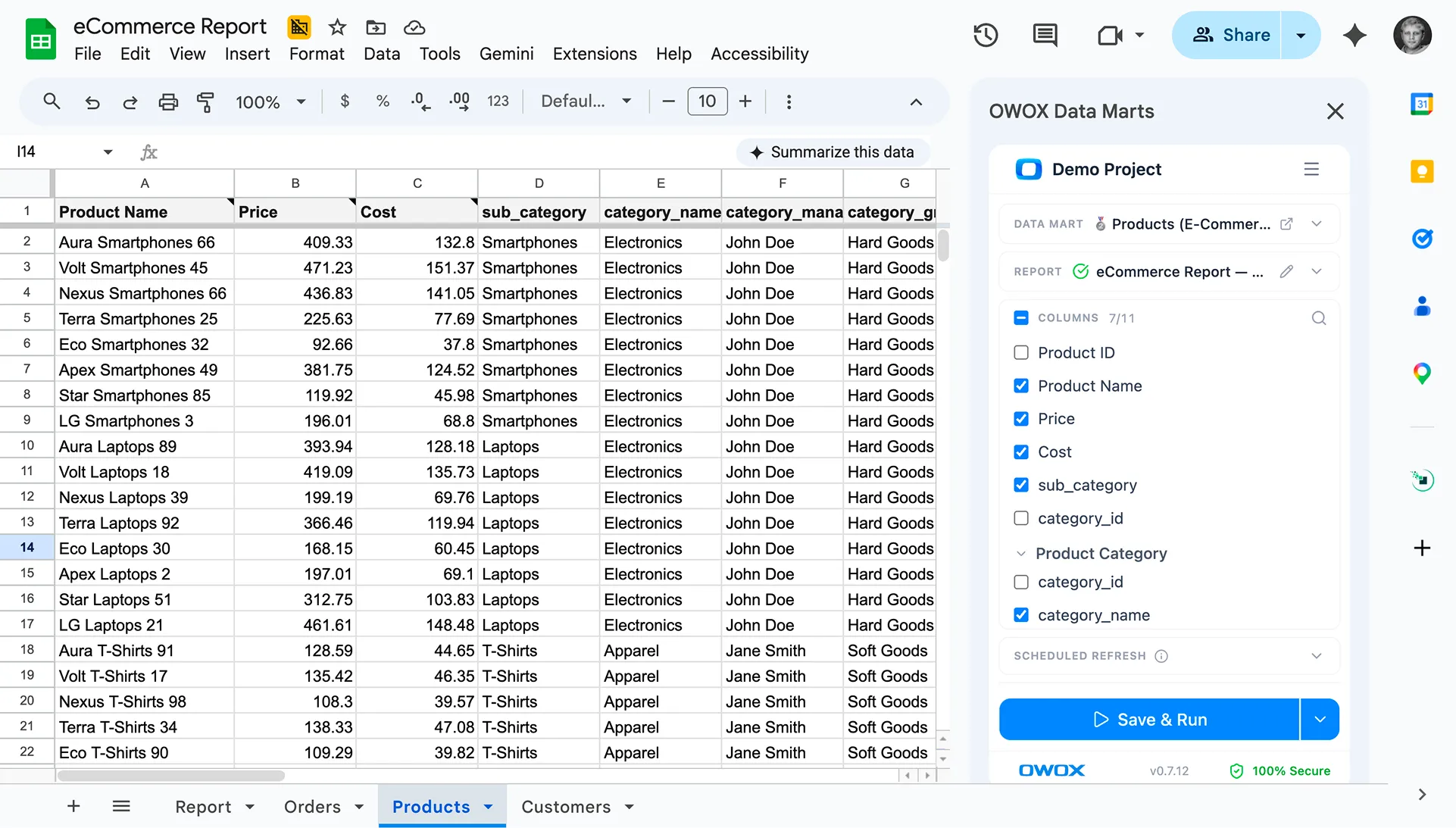
Enhance Your Data Handling with OWOX BI SQL Copilot for BigQuery
OWOX BI SQL Copilot helps teams write, validate, and manage SQL queries faster in BigQuery. It reduces manual effort, lowers the chance of errors, and keeps reporting aligned with your data model. Designed for both analysts and decision-makers, it accelerates insight generation while supporting clean, consistent data practices.




.png)


"AI by its nature will hallucinate. You need guardrails so you can trust your data."
"We had six or seven different channels and no single source of truth. It was almost impossible"
"We regained time. And time is the one resource that never comes back."