
Metric · 2 min read
Landing page performance
Landing Page Performance shows how effectively your landing page drives conversions and user engagement. Here’s everything you need to know: what it is, why it matters, how to measure it, and how to optimize it!
What it is
Landing Page Performance refers to how well your landing page meets its goals – typically measured by metrics like bounce rate, conversion rate, time on page, and page load speed. It helps you evaluate user experience and marketing effectiveness.
Why it matters
Strong Landing Page Performance improves user experience and increases conversion rates. A fast, relevant, and persuasive landing page reduces friction, keeps visitors engaged, and helps you get more out of your traffic and ad spend.
How it is calculated
Landing Page Performance is assessed using multiple metrics. Common indicators include bounce rate, conversion rate, average session duration, and load time. Analyzing these helps you understand how well your page performs.
Key metrics that drive landing page performance:
Key metrics that drive landing page performance:
While there’s no official formula, landing page performance is generally influenced by factors like bounce rate, conversion rate, page load speed, time on page, and user engagement.
Example of landing page performance in action
Example of landing page performance in action
If a landing page loads in under 2 seconds, has a bounce rate of 25%, and a conversion rate of 15%, it’s considered high-performing and optimized for both speed and user experience.
A good value
Good Landing Page Performance includes fast load times, low bounce rates, and conversion rates above industry benchmarks. It means the page is doing its job: engaging users and driving action.
A bad value
Poor Landing Page Performance may show up as high bounce rates, slow page speed, or low conversions. It suggests friction, lack of relevance, or user confusion.
Do
Apply these strategies to improve the impact of your landing pages and maximize campaign results.
- 01
Prioritize page speed
Ensure your page loads quickly across all devices to reduce bounce rates and improve engagement.
- 02
Keep messaging clear and focused
Use concise headlines and a single call to action that aligns with the user’s intent.
- 03
Optimize for mobile
Design with mobile-first principles to ensure fast load times and a smooth user experience on smartphones and tablets.
Avoid
Don’t overload your page with distractions or slow elements. Skipping A/B testing or misaligning content with ad messaging often leads to poor performance.




Learn how teams ship analytics faster
Organizations that scaled analytics without scaling headcount
 "For 10 years I was blind." The day Pürblack® founder stopped guessingSecondsto get reports across six channelsRead the story
 How OWOX Reports Helped Reformation Make Data-Backed DecisionsMinutesfrom data request to business decisionRead the story
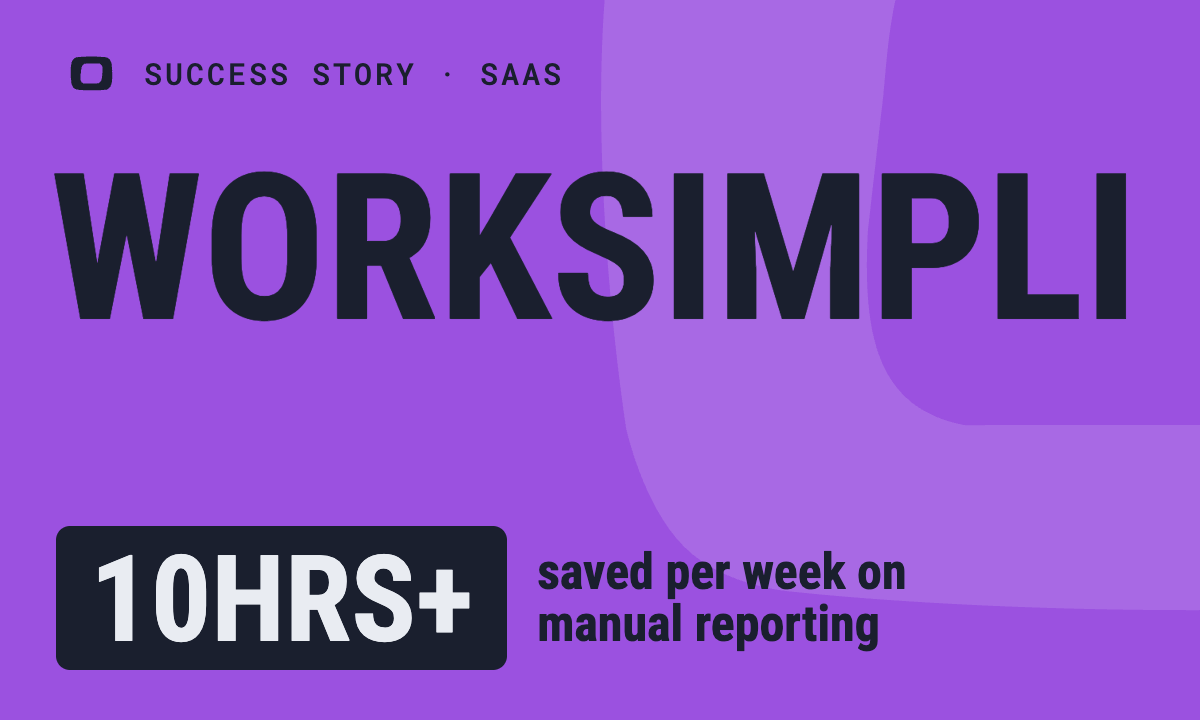 How OWOX Reports Streamlined Operations for WorkSimpli, Saving Over 10 Hours Weekly10hrs+saved per week on manual reportingRead the story
Not testimonials. Comment threads.
Real things real customers said — each quote pinned to a specific claim, straight from the quotes database.
 Mark SimmonsCMO, Pürblack®
“We had six or seven different channels and no single source of truth — it was almost impossible, a lot of guesswork.”
 Nodari RizunFounder & CEO, Pürblack®
“Golden data is clean data — the measure of reality, true and not false, that you can trust based on its source. If you have that, you're good.”
Nodari RizunFounder & CEO, Pürblack®“Most businesses look at a Shopify or Google Analytics dashboard and think it's the source of truth. It's not — that data was never cleaned.”
Calculate Landing Page Performance on your own data.
OWOX Data Marts helps you analyze and improve Landing Page Performance by integrating data from user behavior, campaign sources, and funnel drop-offs. Use these insights to test changes and boost conversions.
- No AI hallucinations
- Analyst-governed definitions
- Every number traces to SQL