
Metric · 2 min read
LTV:CAC ratio
The LTV:CAC Ratio compares customer lifetime value to acquisition cost. Learn what it is, why it’s crucial for growth, how to calculate it, and how to improve your ratio for sustainable success.
Formula
Example. If the average customer lifetime value is $900 and your customer acquisition cost is $300, the LTV:CAC Ratio is 900 / 300 = 3:1.
What it is
The LTV:CAC Ratio measures the relationship between the lifetime value (LTV) of a customer and the cost to acquire that customer (CAC). It indicates how efficiently your business turns acquisition costs into long-term value.
Why it matters
LTV:CAC Ratio is key for understanding profitability. A high LTV:CAC Ratio means you’re gaining more value from customers than you spend to acquire them. It guides decisions on marketing, pricing, and scaling strategies.
How it is calculated
To calculate the LTV:CAC Ratio, divide the average customer lifetime value by the customer acquisition cost. This provides a quick view of return on acquisition investment.
A good value
A good LTV:CAC Ratio is typically 3:1 or higher. This suggests that your customers generate three times more revenue than they cost to acquire – an indicator of a scalable business.
A bad value
A ratio of 1:1 or lower means your business is spending as much (or more) to acquire customers as it’s earning from them. This can signal poor ROI or unsustainable growth.
Do
Follow these strategies to maintain a healthy LTV:CAC Ratio and ensure profitable growth.
- 01
Increase customer lifetime value
Encourage repeat purchases, upsells, and longer retention to boost customer lifetime value.
- 02
Lower customer acquisition cost
Optimize ad targeting, use automation, and focus on organic channels to reduce CAC.
- 03
Segment high-value customers
Identify and prioritize customers who bring the most long-term value for targeted marketing.
Avoid
Ignoring either LTV or CAC when making strategic decisions can distort the ratio. Both sides need to be managed carefully for sustained profitability.
Related metrics you might be interested in



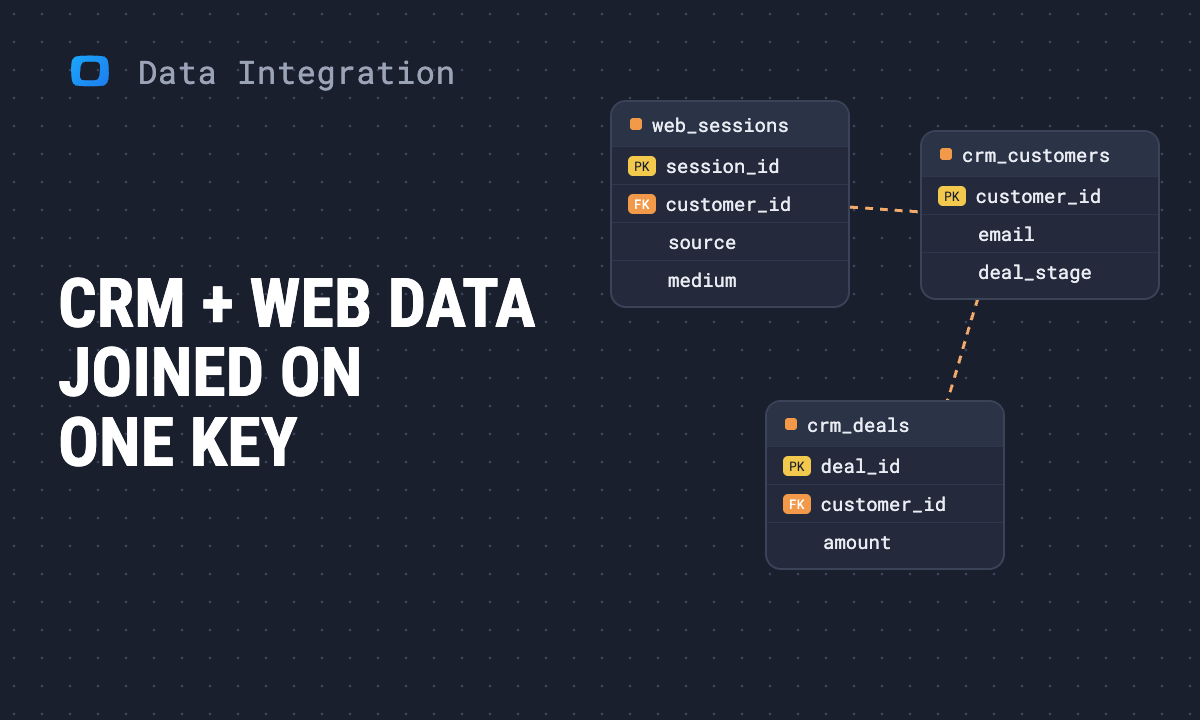
Learn how teams ship analytics faster
Organizations that scaled analytics without scaling headcount
 "For 10 years I was blind." The day Pürblack® founder stopped guessingSecondsto get reports across six channelsRead the story
 How OWOX Reports Helped Reformation Make Data-Backed DecisionsMinutesfrom data request to business decisionRead the story
 How OWOX Reports Streamlined Operations for WorkSimpli, Saving Over 10 Hours Weekly10hrs+saved per week on manual reportingRead the story
Not testimonials. Comment threads.
Real things real customers said — each quote pinned to a specific claim, straight from the quotes database.
 Mark SimmonsCMO, Pürblack®
“We had six or seven different channels and no single source of truth — it was almost impossible, a lot of guesswork.”
 Nodari RizunFounder & CEO, Pürblack®
“Golden data is clean data — the measure of reality, true and not false, that you can trust based on its source. If you have that, you're good.”
Nodari RizunFounder & CEO, Pürblack®“Most businesses look at a Shopify or Google Analytics dashboard and think it's the source of truth. It's not — that data was never cleaned.”
Calculate LTV:CAC Ratio on your own data.
OWOX Data Marts brings together lifetime value and acquisition data, helping you monitor, analyze, and optimize your LTV:CAC Ratio across channels.
- No AI hallucinations
- Analyst-governed definitions
- Every number traces to SQL