
Metric · 2 min read
Quality score
Quality Score measures how relevant and useful your ads are to users on platforms like Google Ads. Here’s everything you need to know: what it is, why it matters, how to calculate it, and how to improve it!
What it is
Quality Score is a rating (usually on a scale of 1 to 10) assigned by advertising platforms that reflects the relevance of your keywords, ad copy, and landing page to a user’s search. It impacts your ad rank and cost-per-click in paid search campaigns.
Why it matters
Quality Score plays a major role in ad visibility and cost. Higher scores lead to better ad positions and lower costs per click, improving your return on ad spend and overall ad performance.
How it is calculated
Quality Score is calculated based on three key factors: expected click-through rate (CTR), ad relevance, and landing page experience. While platforms don’t disclose the exact formula, improving each of these areas can boost your score.
The quality score components:
While there is no exact formula, Quality Score is determined by three key components: Expected CTR, Ad Relevance, and Landing Page Experience.
Example of quality score in action
Example of quality score in action
If your ad for “running shoes” has a strong CTR, closely matches the keyword, and sends users to a fast, relevant product page, it may earn a Quality Score of 8–10, lowering your cost-per-click and boosting your ad’s position.
A good value
A good Quality Score is typically 7 or higher. Scores of 8–10 suggest your ads are highly relevant and likely to achieve better placement at a lower cost.
A bad value
A Quality Score below 5 indicates that your ads or landing pages are underperforming or irrelevant to user queries. This can lead to lower impressions and higher ad costs.
Do
Use these strategies to improve your Quality Score and increase ad efficiency.
- 01
Use keyword-rich ad copy
Make sure your ad copy directly matches the keywords you’re targeting to increase relevance.
- 02
Improve landing page experience
Ensure landing pages load quickly, match the ad content, and provide clear value to visitors.
- 03
Boost your expected CTR
Write compelling headlines and use clear calls to action to encourage clicks and improve engagement.
Avoid
Don’t reuse the same landing page for unrelated keywords. Failing to segment campaigns or test ad variations can drag down your score and increase costs.
Related metrics you might be interested in
 Ad Impressions
= Total Times an Ad Is Displayed Click-Through Rate (CTR)
= (Total Clicks ÷ Total Impressions) × 100 Cost per Click (CPC)
= Total Ad Spend / Number of Clicks Net Promoter Score (NPS)
= % of Promoters − % of Detractors Paid Impressions
= Total Number of Times an Ad is Displayed via Paid Media Video Views
= Total Number of Valid Video Plays (per platform definition)
Learn how teams ship analytics faster
Organizations that scaled analytics without scaling headcount
 "For 10 years I was blind." The day Pürblack® founder stopped guessingSecondsto get reports across six channelsRead the story
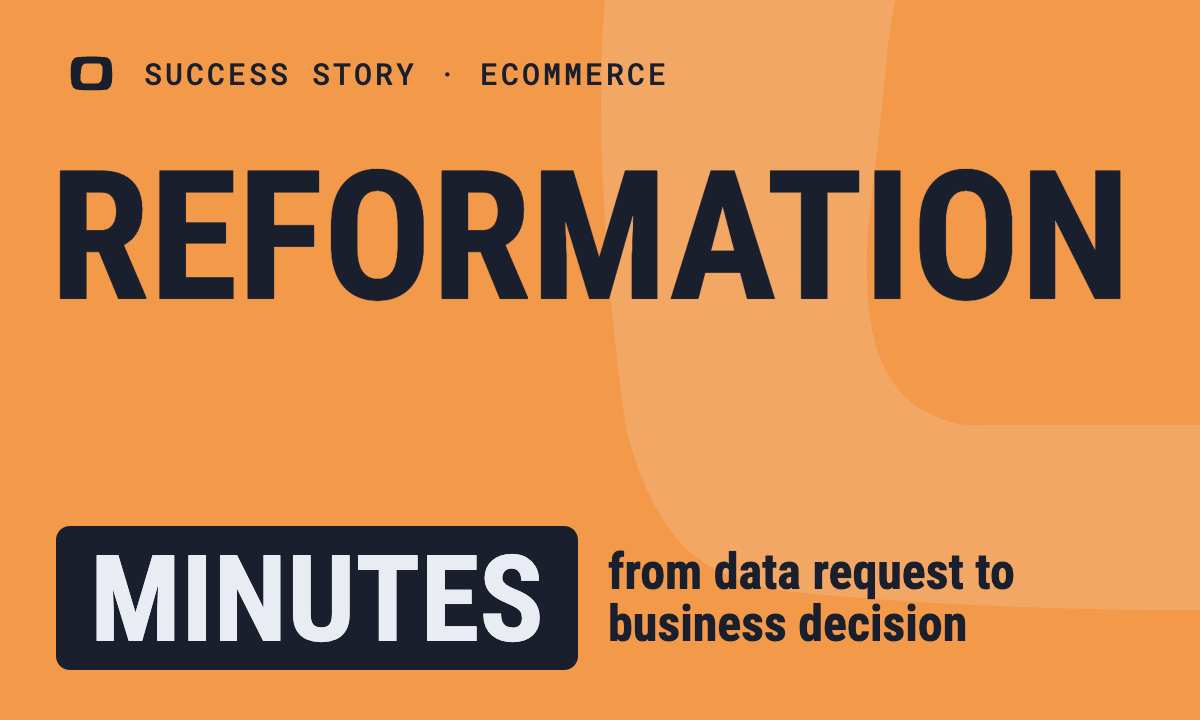 How OWOX Reports Helped Reformation Make Data-Backed DecisionsMinutesfrom data request to business decisionRead the story
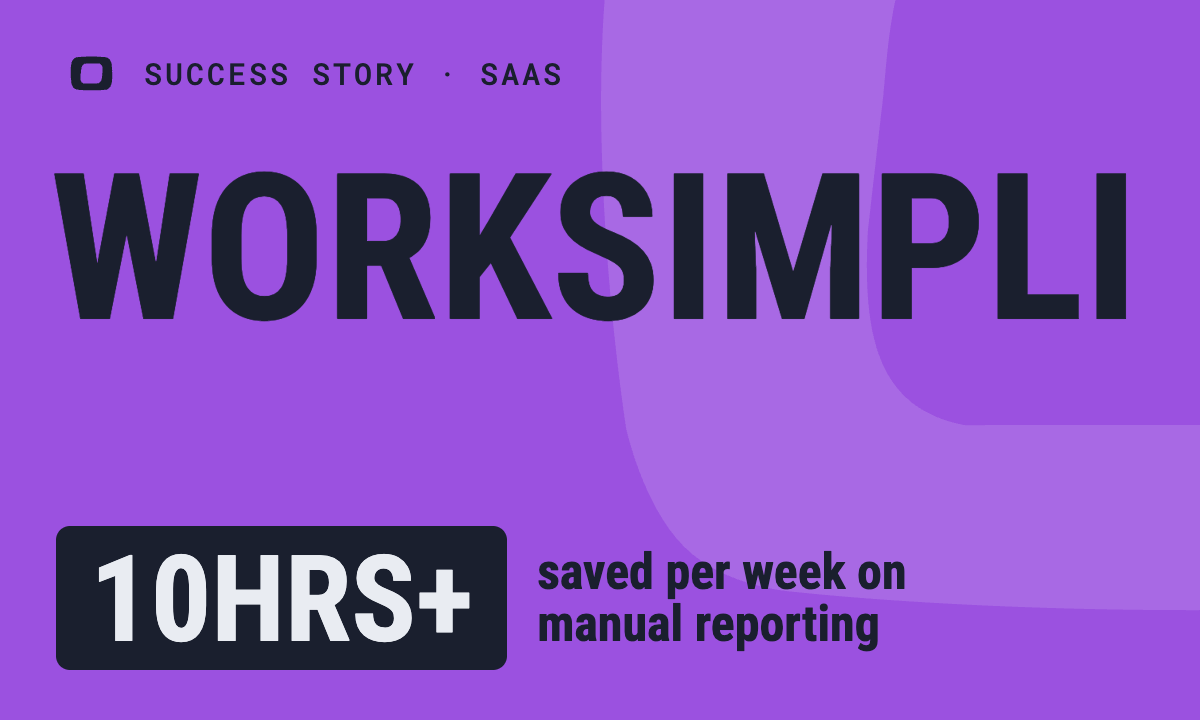 How OWOX Reports Streamlined Operations for WorkSimpli, Saving Over 10 Hours Weekly10hrs+saved per week on manual reportingRead the story
Not testimonials. Comment threads.
Real things real customers said — each quote pinned to a specific claim, straight from the quotes database.
 Mark SimmonsCMO, Pürblack®
“We had six or seven different channels and no single source of truth — it was almost impossible, a lot of guesswork.”
 Nodari RizunFounder & CEO, Pürblack®
“Golden data is clean data — the measure of reality, true and not false, that you can trust based on its source. If you have that, you're good.”
Nodari RizunFounder & CEO, Pürblack®“Most businesses look at a Shopify or Google Analytics dashboard and think it's the source of truth. It's not — that data was never cleaned.”
Calculate Quality Score on your own data.
OWOX Data Marts helps you monitor Quality Score drivers like CTR and landing page performance. Use real-time insights to improve ad targeting, copy, and user experience to boost your score and reduce ad costs.
- No AI hallucinations
- Analyst-governed definitions
- Every number traces to SQL