
Metric · 2 min read
Marketing funnel analysis
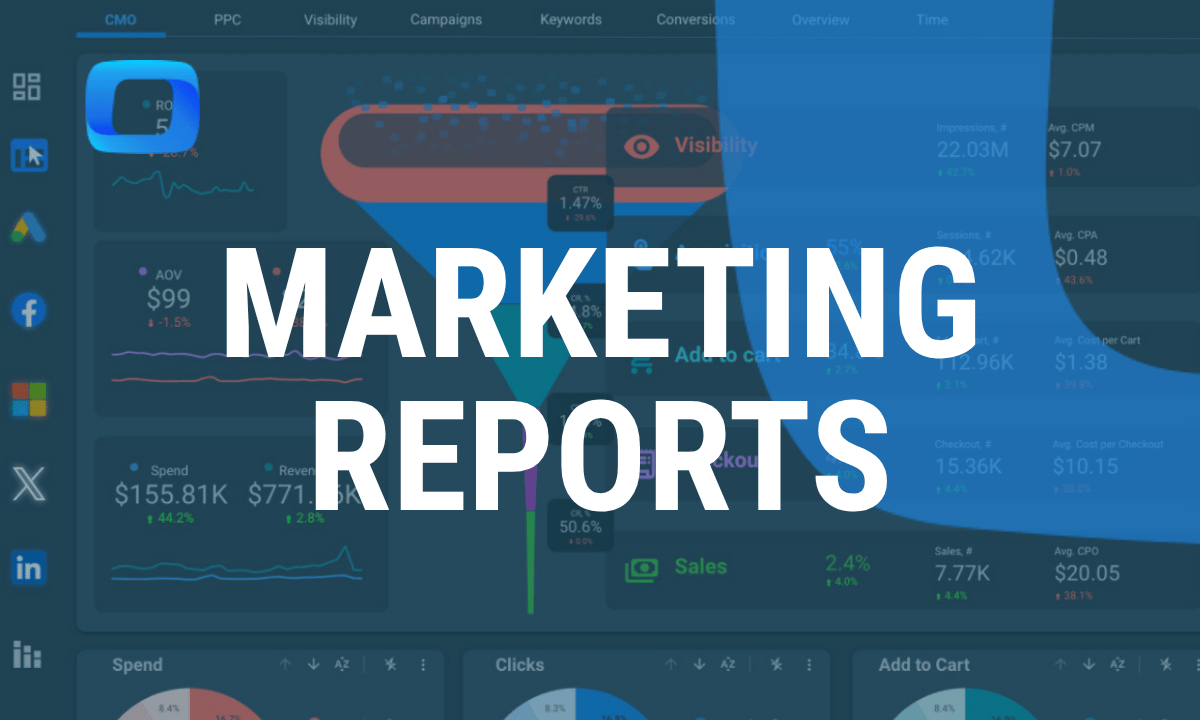
Marketing Funnel Analysis shows how users move through your customer journey – from awareness to conversion. Here’s everything you need to know: what it is, why it matters, how to measure it, and how to optimize it!
Formula
Stage Conversion Rate (%) = (Users at Stage N ÷ Users at Stage N−1) × 100Funnel Conversion Rate (%) = (Final Stage Completions ÷ Initial Stage Entrants) × 100
Example. If 10,000 users visit your landing page, 2,500 sign up for a free trial, and 500 become paying customers, your funnel conversion rate is 5%. Marketing Funnel Analysis helps you understand and optimize each step in that journey.
What it is
Marketing Funnel Analysis is the process of tracking and evaluating how users progress through different stages of your marketing funnel – typically awareness, interest, consideration, and conversion. It reveals where leads drop off and what drives action.
Why it matters
Marketing Funnel Analysis helps marketers identify bottlenecks, optimize customer journeys, and improve conversion rates. By understanding how users engage at each stage, teams can refine messaging, targeting, and campaigns to drive more revenue.
How it is calculated
Define key funnel stages based on your goals (e.g., ad click, landing page visit, signup, purchase). Track the number of users who reach each stage and calculate conversion rates between stages to spot drop-offs.
A good value
Good Marketing Funnel Analysis provides clear, actionable insights into each funnel stage, helping you boost engagement, reduce friction, and drive higher conversions.
A bad value
Poor Marketing Funnel Analysis lacks defined stages, relies on incomplete data, or ignores drop-off points – leading to missed opportunities for improvement.
Do
Apply these strategies to better understand and improve how users progress through your funnel.
- 01
Map your funnel stages clearly
Define each stage of your funnel based on actual user actions – from awareness to conversion – to guide analysis.
- 02
Use segmentation
Break down funnel performance by channel, campaign, or audience to uncover which groups convert best.
- 03
Continuously test and refine
A/B test messaging, landing pages, and offers at each stage to lift conversions and smooth the journey.
Avoid
Don’t assume all users move linearly through your funnel. Skipping stages, ignoring micro-conversions, or lacking unified tracking can weaken your insights.
Related metrics you might be interested in
 Google Ads Impressions
= Total Number of Times Your Ad Is Displayed Google Advertising Costs
= Total Spend on Search + Display + Video + Other Campaign Fees Google Analytics Traffic
= Total Number of User Sessions Across All Channels Impression Share
= Impressions Received ÷ Total Eligible Impressions × 100
Learn how teams ship analytics faster
Organizations that scaled analytics without scaling headcount
 "For 10 years I was blind." The day Pürblack® founder stopped guessingSecondsto get reports across six channelsRead the story
 How OWOX Reports Helped Reformation Make Data-Backed DecisionsMinutesfrom data request to business decisionRead the story
 How OWOX Reports Streamlined Operations for WorkSimpli, Saving Over 10 Hours Weekly10hrs+saved per week on manual reportingRead the story
Not testimonials. Comment threads.
Real things real customers said — each quote pinned to a specific claim, straight from the quotes database.
 Mark SimmonsCMO, Pürblack®
“We had six or seven different channels and no single source of truth — it was almost impossible, a lot of guesswork.”
 Nodari RizunFounder & CEO, Pürblack®
“Golden data is clean data — the measure of reality, true and not false, that you can trust based on its source. If you have that, you're good.”
Nodari RizunFounder & CEO, Pürblack®“Most businesses look at a Shopify or Google Analytics dashboard and think it's the source of truth. It's not — that data was never cleaned.”
Calculate Marketing Funnel Analysis on your own data.
OWOX Data Marts enables end-to-end Marketing Funnel Analysis with integrated data from ads, websites, and CRM. Visualize how users move across touchpoints and discover where you’re losing or converting leads.
- No AI hallucinations
- Analyst-governed definitions
- Every number traces to SQL