
Metric · 2 min read · Unit: Count
Organic traffic
Organic Traffic is a foundational metric for understanding how many visitors find your website through unpaid search results. Learn what it is, why it matters, how to track it, and how to grow it strategically.
Formula
Organic Traffic = Total Website Sessions from Search Engines (Unpaid)
Example. If your blog receives 15,000 visits in a month and 9,000 of those come from Google search results (not ads), your Organic Traffic is 9,000 sessions.
Organic traffic fell last month. Was it rankings, a tracking change, or a few pages losing their spot? You can't tell yet.
Paste this into your AI assistant. It compares your GA4 organic visits and Search Console clicks month over month and traces the drop to the pages and queries behind it.
The prompt
Read https://www.owox.com/ai-agent-setup.md and follow it to set up OWOX Data Marts for me, starting from /metrics/organic-traffic.md. The task: find where my organic traffic dropped: GA4 organic visits by landing page and Search Console clicks by query, this month against previous months, ranked by loss. Tag the links you give me with utm_campaign=ai-task and utm_term=data-foundation. Use what you know about my context and goals
What it is
Organic Traffic refers to visitors who land on your website from unpaid sources, primarily through search engines like Google or Bing. It reflects the effectiveness of your SEO efforts and content strategy in attracting search-driven visitors.
Why it matters
Organic Traffic is a key indicator of your website’s visibility and authority in search engines. A strong organic presence drives sustainable traffic, lowers acquisition costs, and brings high-intent users to your site.
How it is calculated
Organic Traffic is measured using analytics platforms like Google Analytics, which track the number of users arriving via search engines, excluding paid ads. It can be segmented by landing page, keyword, device, and more.
A good value
A good volume of Organic Traffic depends on your niche and goals, but steady growth month-over-month and a high share of traffic from organic sources typically reflect strong SEO health.
A bad value
Low or declining Organic Traffic may indicate SEO issues, penalties, weak content, or poor site structure – leading to missed opportunities and lower visibility.
Do
Use these strategies to increase Organic Traffic and build long-term visibility.
- 01
Publish SEO-optimized content regularly
Create helpful, keyword-focused content that answers user intent and is easy for search engines to understand.
- 02
Build internal and external links
Strong internal linking improves crawlability, while earning backlinks boosts authority and rankings.
- 03
Improve site speed and mobile UX
Search engines prioritize fast, mobile-friendly websites – optimize your UX to rank higher and retain more organic visitors.
Avoid
Ignoring keyword intent, publishing thin content, or failing to optimize metadata can stunt Organic Traffic growth. Avoid black-hat SEO tactics that may lead to penalties.
Related metrics you might be interested in
 Referral Traffic
= Total Website Sessions Originating from External Non-Search, Non-Paid Links SEO Traffic
= Total Website Sessions from Organic Search Engines (Unpaid) Traffic Growth
= Previous Period TrafficCurrent Period Traffic−Previous Period Traffic × 100 Traffic Sources
= Categorized Origin Points of Website Visits (e.g., Direct, Organic Search, Paid Ads, Social Media, Email, Referral) Branded vs. Non-Branded Traffic
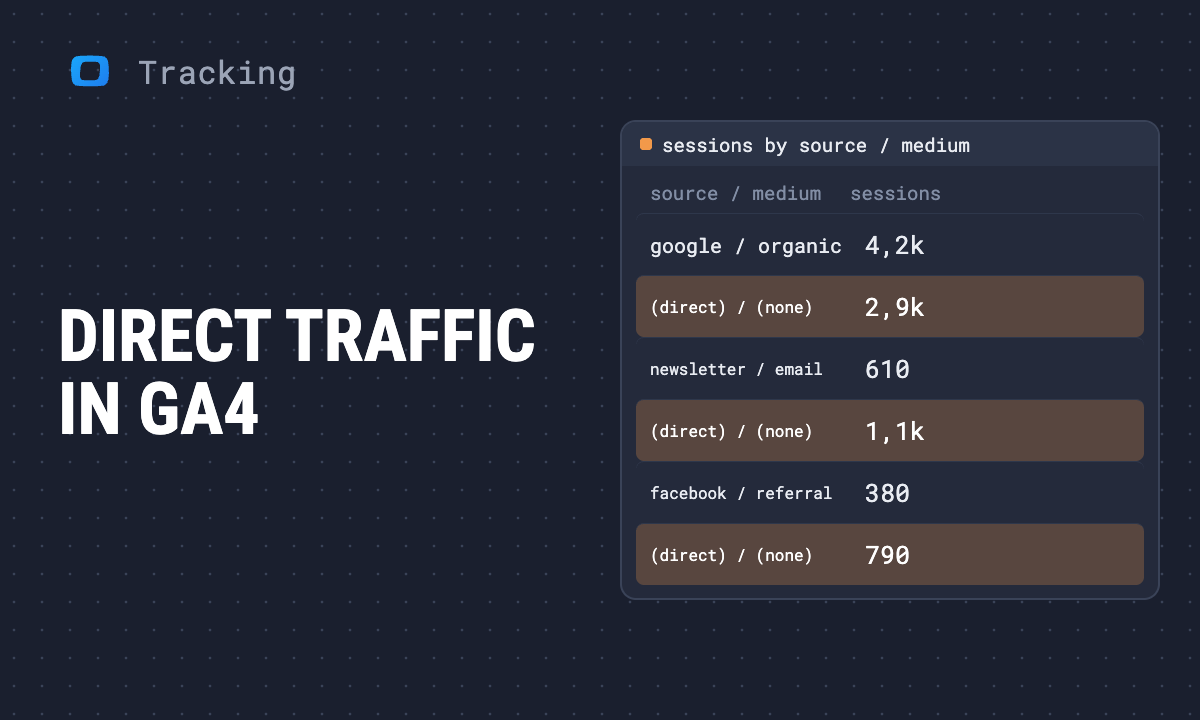
= Sessions from Brand-Related Keywords and Non-Branded Traffic = Sessions from General or Category Keywords Direct Traffic
= Sessions Without a Referrer or Identifiable Source
Learn how teams ship analytics faster
Organizations that scaled analytics without scaling headcount


The Data Partner You Can Trust
users
175K Source: Internal OWOX data as of 2026-11-11
Executives and data analysts across 20+ industries
Customers