
Metric · 2 min read
Cross-channel attribution
Cross-Channel Attribution helps marketers understand which touchpoints across different platforms contribute to a conversion. Here’s everything you need to know: what it is, why it matters, how to calculate it, and how to improve it.
What it is
Cross-Channel Attribution is the process of assigning credit for a conversion or sale to multiple marketing channels that a customer interacted with before making a purchase. These channels may include search, email, social media, display ads, and more.
Why it matters
Cross-Channel Attribution reveals the true impact of each marketing channel in the user journey. It helps marketers allocate budget more effectively, optimize campaigns, and reduce wasted spend by understanding which touchpoints drive results.
How it is calculated
Cross-Channel Attribution is calculated using attribution models that assign value to each channel involved in the conversion path. Common models include first-click, last-click, linear, time-decay, and data-driven attribution.
The cross-channel attribution formula:
The cross-channel attribution formula:
No single formula exists – attribution is applied based on selected models like linear, time decay, or algorithmic methods.
Example of cross-channel attribution in action
Example of cross-channel attribution in action
If a user discovers your product through a Facebook ad, clicks an email campaign, and finally converts through a Google Search ad, Cross-Channel Attribution assigns partial credit to each step rather than giving all credit to just the last one.
A good value
Good Cross-Channel Attribution accurately reflects the role of each channel in the path to conversion. It enables better decision-making and shows where to invest for the highest return.
A bad value
Bad Cross-Channel Attribution over-credits or under-credits key channels, often by using only last-click or first-click models. This can lead to poor budget allocation and misinformed strategies.
Do
Use these strategies to improve your Cross-Channel Attribution and drive smarter marketing decisions.
- 01
Use a multi-touch attribution model
Don’t rely on a single-touch model. Adopt multi-touch models that distribute value across the entire journey.
- 02
Integrate all marketing channels
Collect data from all platforms (online and offline) to ensure a complete view of your marketing influence.
- 03
Analyze by funnel stage
Assess channel impact at different points of the customer journey – awareness, consideration, and conversion.
Avoid
Using incomplete data or outdated models can distort performance insights. Avoid giving all credit to last-click or ignoring upper-funnel contributions.
Related metrics you might be interested in



Learn how teams ship analytics faster
Organizations that scaled analytics without scaling headcount
 "For 10 years I was blind." The day Pürblack® founder stopped guessingSecondsto get reports across six channelsRead the story
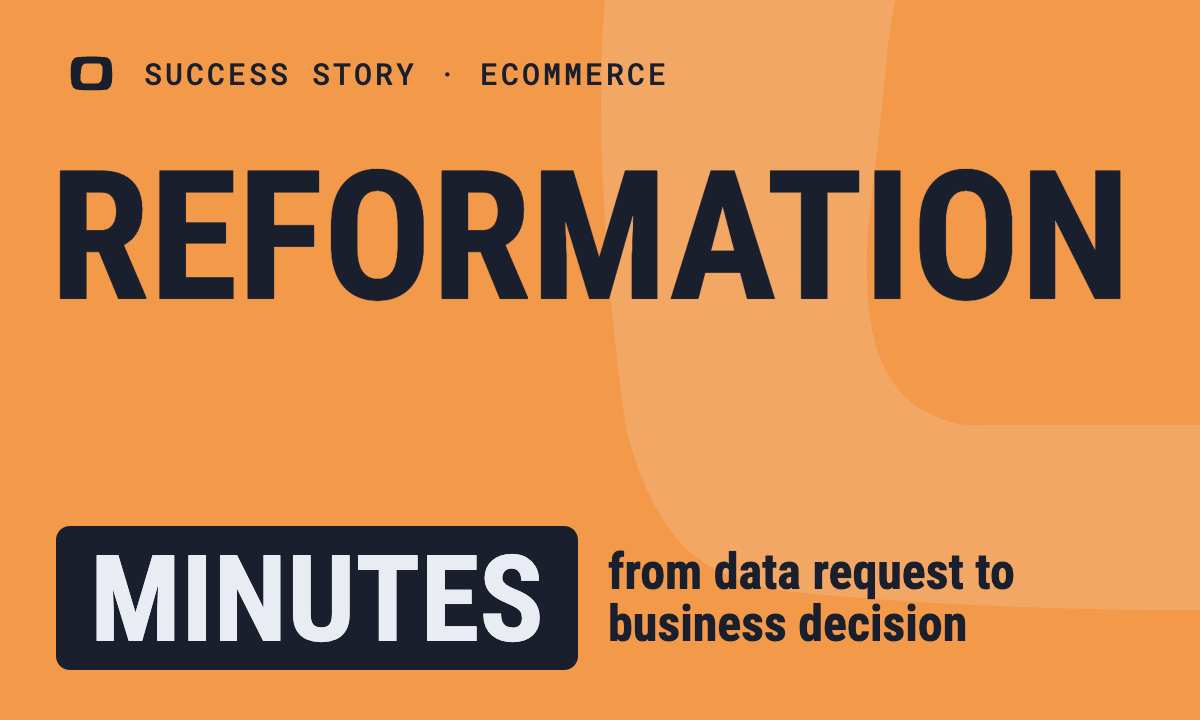 How OWOX Reports Helped Reformation Make Data-Backed DecisionsMinutesfrom data request to business decisionRead the story
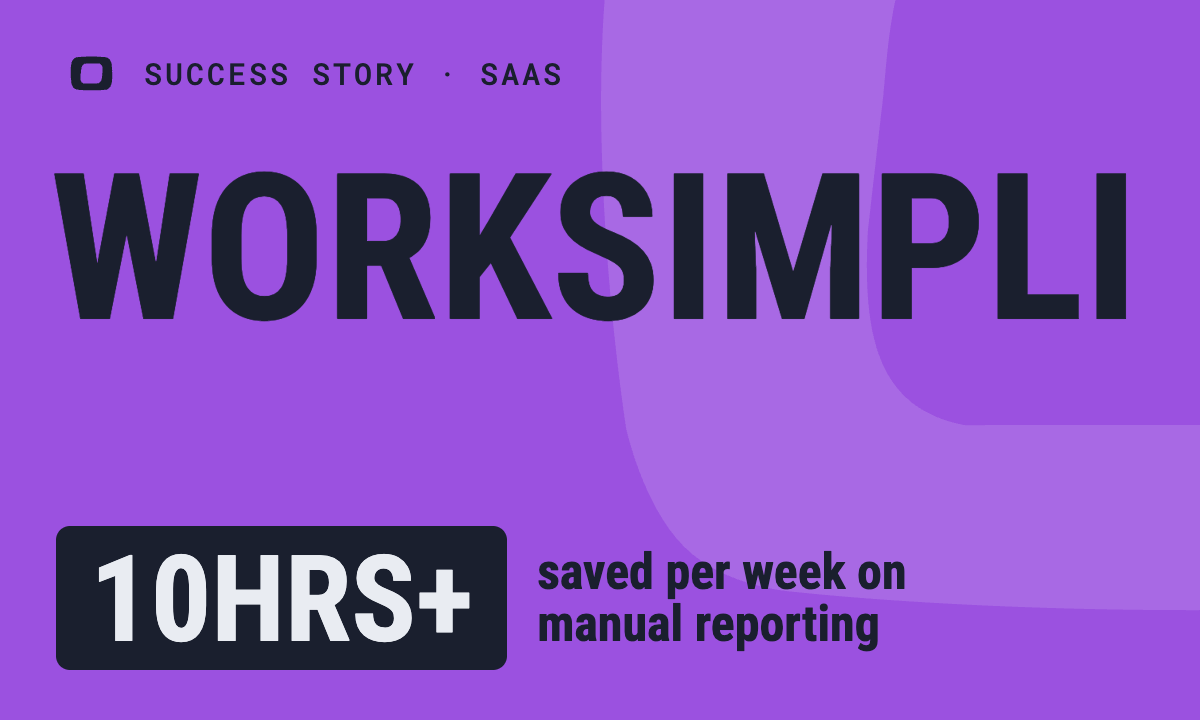 How OWOX Reports Streamlined Operations for WorkSimpli, Saving Over 10 Hours Weekly10hrs+saved per week on manual reportingRead the story
Not testimonials. Comment threads.
Real things real customers said — each quote pinned to a specific claim, straight from the quotes database.
 Mark SimmonsCMO, Pürblack®
“We had six or seven different channels and no single source of truth — it was almost impossible, a lot of guesswork.”
 Nodari RizunFounder & CEO, Pürblack®
“Golden data is clean data — the measure of reality, true and not false, that you can trust based on its source. If you have that, you're good.”
Nodari RizunFounder & CEO, Pürblack®“Most businesses look at a Shopify or Google Analytics dashboard and think it's the source of truth. It's not — that data was never cleaned.”
Calculate Cross-Channel Attribution on your own data.
OWOX Data Marts helps you build flexible, accurate Cross-Channel Attribution models using integrated marketing and conversion data. Gain a full view of your customer journey and discover which channels truly drive conversions.
- No AI hallucinations
- Analyst-governed definitions
- Every number traces to SQL