What is the ARRAY_LENGTH function in SQL?
ARRAY_LENGTH is a SQL function that returns the number of elements in an array value. It’s commonly used to validate data, filter rows by array size, or build KPIs from multi-value fields (for example, counting products in a cart or touchpoints in a user journey) directly in your queries.
ARRAY_LENGTH is a SQL function that tells you how many elements are inside an array, making it a simple but powerful way to count multi-value fields directly in a query.
What is ARRAY_LENGTH in SQL?
In analytics datasets, one row often contains more than one value for the same field: products in a cart, pages viewed in a session, campaign touchpoints in a path, or event parameters collected as arrays. ARRAY_LENGTH helps you measure that nested data fast.
Instead of exploding arrays into separate rows every time, you can use ARRAY_LENGTH to answer practical questions right where the data lives. How many items were purchased? How many pageviews happened in a session? How many funnel steps did a user complete? That is the sweet spot for this function.
For analysts, this matters because arrays are common in modern warehouse models, especially when working with event-level data. ARRAY_LENGTH turns messy multi-value fields into something reportable, filterable, and KPI-friendly.
ARRAY_LENGTH syntax and parameters
ARRAY_LENGTH syntax and parameters
The function is usually straightforward, but behavior can vary depending on the SQL engine you use.
Basic syntax
The common pattern is:
ARRAY_LENGTH(array_expression)The input is an array value or a column that stores an array. The output is an integer representing the number of elements in that array. If an array contains five items, the function returns 5. If it contains no items, many dialects return 0 for an empty array.
This makes ARRAY_LENGTH useful in SELECT statements for metrics, in WHERE clauses for filtering, and in calculated fields for reporting logic.
Handling NULLs and empty arrays
NULL arrays and empty arrays are not the same thing, and this difference can wreck reports if you ignore it. An empty array usually means “this field exists, but it has no elements.” A NULL often means “the array itself is missing or unknown.”
That distinction affects counts and filters. For example, if you only look for ARRAY_LENGTH(array_col) = 0, you may miss rows where array_col is NULL. On the other hand, treating NULL as zero without thinking can hide data quality issues.
A practical pattern is to define your reporting rule explicitly:
- Use NULL when missing data should stay missing.
- Use COALESCE when you want NULL arrays treated like empty arrays.
- Document the choice so dashboards stay consistent.
Differences across SQL dialects (BigQuery, Postgres, etc.)
ARRAY support is not identical everywhere. In BigQuery, ARRAY_LENGTH is the standard function name for counting array elements. In PostgreSQL, arrays are supported too, but array-related functions and indexing behavior can feel different depending on the structure and dimensions involved.
Some SQL systems do not have true array types at all, or they handle nested values through JSON instead. In those cases, you may need a JSON array function instead of ARRAY_LENGTH. The big takeaway: always check your dialect’s documentation before assuming identical behavior for NULL handling, multidimensional arrays, or nested records.
OWOX Data Marts
See your first report built in real time. 15 minutes.
- Connect your data warehouse
- Pick your metrics
- Get a live Google Sheets report
In the time it takes to write a ticket. Then imagine never writing that ticket again.
Book a DemoWe'll use your actual use case
Practical use cases for analysts
Practical use cases for analysts
ARRAY_LENGTH shines when analysts need fast answers from nested or repeated fields without rebuilding the entire table structure.
Counting items in carts, sessions, and events
This is the classic use case. If a cart row contains an array of product IDs, ARRAY_LENGTH gives you cart size instantly. If a session row stores a list of page paths, it becomes a pageview count. If an event stores selected filters or applied promo codes in an array, you can quantify engagement with one function.
These counts can become direct metrics in BI tools: average cart size, average number of viewed products, or number of touchpoints before conversion.
Quality checks: detecting malformed or unexpected arrays
ARRAY_LENGTH is also great for sanity checks. If a field should contain exactly one primary attribution source but suddenly starts showing arrays with ten values, something changed upstream.
You can use length-based checks to spot broken ingestion, duplicated values, or schema mismatches. This pairs well with broader controls around key constraints and data integrity, because valid row relationships do not guarantee valid nested content.
Length checks can also help flag sensitive fields that should not be overpopulated. If arrays contain user-level attributes, combine validation workflows with solid data masking techniques in SQL when exposing data for analysis.
Using ARRAY_LENGTH in WHERE, GROUP BY, and ORDER BY
ARRAY_LENGTH is not just for display columns. In a WHERE clause, it helps filter records like sessions with more than three pageviews or orders with at least two items. In GROUP BY workflows, you can bucket rows by array size to understand distribution. In ORDER BY, you can rank users, sessions, or orders by complexity or depth.
This is especially useful when arrays represent behavioral intensity. A longer array can mean more actions, more products, more events, or more completed steps. That turns ARRAY_LENGTH into a compact engagement signal.
ARRAY_LENGTH examples in real queries
ARRAY_LENGTH examples in real queries
Real-world analytics queries often become much easier to read once array size is treated as a metric instead of a preprocessing problem.
Example: filter sessions by number of pageviews
Imagine a sessions table with a pageviews array. You want only sessions with at least 5 pageviews:
SELECT  session_id,  ARRAY_LENGTH(pageviews) AS pageview_count
FROM  sessions
WHERE  ARRAY_LENGTH(pageviews) >= 5;
This is a fast way to isolate high-engagement sessions without unnested joins. If you want help structuring queries like this more quickly, it can be useful to generate complex SQL queries faster with AI and then validate the output against your schema.
Example: build a funnel step count metric
Suppose each user record includes an array of completed funnel steps such as view_product, add_to_cart, begin_checkout, and purchase. You can create a simple funnel depth metric:
SELECT
  user_id,
  ARRAY_LENGTH(completed_steps) AS funnel_step_count
FROM
  user_funnels;
That number can feed segments like users who completed 1 step, 2–3 steps, or the full journey. It is compact, easy to aggregate, and perfect for dashboard filters.
Example: combine ARRAY_LENGTH with UNNEST and aggregations
Here is a realistic analytics pattern: compare cart size with item-level revenue. First count the array, then unnest it for aggregation.
SELECT
order_id,
ARRAY_LENGTH(items) AS item_count,
SUM(item.price) AS order_revenue
FROM orders,
UNNEST(items) AS item
GROUP BY order_id, item_count;
This gives you both a row-level count and a total metric from the exploded values. It is a strong pattern when you need summary columns and detailed calculations in the same query.
Common pitfalls and best practices
Common pitfalls and best practices
ARRAY_LENGTH looks easy, but a few common mistakes can create bad logic, slow queries, or confusing dashboards.
Performance considerations with large arrays
Counting array elements is usually lighter than unnesting everything, but very large arrays can still be costly, especially when applied repeatedly in complex transformations. If the same length metric is used in many reports, consider materializing it in a reporting table instead of recalculating it everywhere.
For recurring logic, some teams centralize transformations with stored procedures in SQL or scheduled modeling layers. The goal is consistency: define the metric once, reuse it many times.
Dealing with NULL vs empty arrays in reports
This is the big one. A dashboard may show “0 items” for both empty arrays and missing arrays unless you define the rule carefully. That can distort conversion analysis, quality monitoring, and stakeholder trust.
Best practice: decide whether NULL means “not collected,” “not applicable,” or “unknown,” and keep that meaning consistent across models and reports. Then use CASE or COALESCE intentionally, not casually.
When to store arrays vs separate rows
Arrays are great when values belong naturally to one parent row and are often consumed together. They are less ideal when analysts constantly need item-level joins, filtering, and dimensional breakdowns.
If reporting depends heavily on each element as its own entity, separate rows may be cleaner. If the main need is quick size-based metrics or compact event storage, arrays can work well. The best model balances flexibility, storage patterns, and query simplicity.
ARRAY_LENGTH in Data Mart design
ARRAY_LENGTH in Data Mart design
In well-designed marts, ARRAY_LENGTH often becomes more than a helper function. It becomes a reusable business metric.
How ARRAY_LENGTH fits into reporting-ready tables
When building reporting tables, analysts often flatten complex source data into metrics that BI tools can use immediately. ARRAY_LENGTH is perfect for this. Instead of exposing raw arrays to every dashboard, you can precompute fields like cart_item_count, session_pageview_count, or touchpoint_count.
This keeps reports simpler and reduces repeated logic. It also works best when the table structure is grounded in clear relationships using primary and foreign keys, so array-based metrics stay tied to the right grain.
OWOX Data Marts context: using array sizes as reporting metrics
In a data mart context, array size can become a first-class reporting field rather than an on-the-fly calculation. That means analysts can segment users by journey depth, compare average bundle size across channels, or monitor unusual event payloads without rewriting SQL every time.
The key idea is simple: arrays store behavior, and ARRAY_LENGTH turns that behavior into measurable output. When used thoughtfully, it helps bridge raw nested data and business-ready reporting.
Want to make metrics like cart size, touchpoint count, or session depth easier to use? Build reporting-ready tables in OWOX Data Marts and turn nested fields into clean, reusable reporting metrics with less repetitive SQL.
Learn how teams ship analytics faster
Organizations that scaled analytics without scaling headcount
 "For 10 years I was blind." The day Pürblack® founder stopped guessingSecondsto get reports across six channelsRead the story
  How OWOX Reports Helped Reformation Make Data-Backed DecisionsMinutesfrom data request to business decisionRead the story
 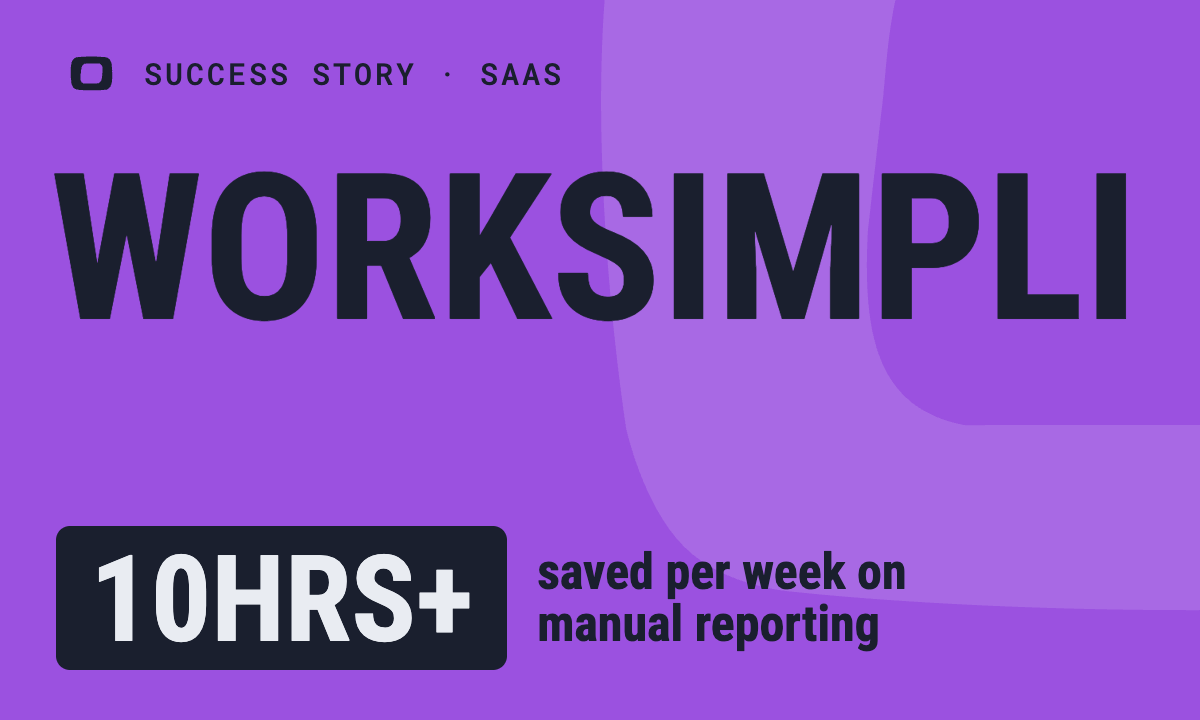 How OWOX Reports Streamlined Operations for WorkSimpli, Saving Over 10 Hours Weekly10hrs+saved per week on manual reportingRead the story
 Not testimonials. Comment threads.
Real things real customers said — each quote pinned to a specific claim, straight from the quotes database.
 Nodari RizunFounder & CEO, Pürblack®
“AI, by the nature of the models, will hallucinate. And because of that, you need something which will create guardrails to ensure that there are no hallucinations, that you can trust your data.”
Nodari RizunFounder & CEO, Pürblack®“I was blind, now I can see. OWOX opened our eyes.”
“We are extremely satisfied with the results achieved through our partnership with OWOX. I'm also impressed by quick and effective support we get from OWOX”
Turn your data into decisions.
Governed data marts give you the clean foundation ML needs to actually work.
- No AI hallucinations
- Analyst-governed definitions
- Every number traces to SQL