What is CAST AS STRUCT in SQL?
CAST AS STRUCT is an SQL expression used to convert values into a structured (record-like) data type. It groups multiple fields into a single STRUCT object, often with named fields and specific data types. Analysts use CAST AS STRUCT to reshape query results, work with nested data, and build cleaner, reusable data models.
CAST AS STRUCT is an SQL expression that turns one or more values into a single structured record, making it easier to organize related fields, handle nested data, and shape cleaner outputs for analysis.
What is CAST AS STRUCT in SQL?
What is CAST AS STRUCT in SQL?
In SQL systems that support nested data types, a STRUCT works like a small container with multiple fields inside it. CAST AS STRUCT lets you explicitly convert values into that container, usually with defined field names and data types.
Think of it as packaging scattered columns into one logical object. Instead of returning separate values for city, country, and region, you can group them into a single location STRUCT. That makes complex query results easier to read, reuse, and pass into downstream models.
For analysts, this matters when working with event data, JSON-like sources, session records, or warehouse tables that already contain nested fields. CAST AS STRUCT gives you more control over shape and consistency, especially when query outputs need to be standardized.
When and why analysts use CAST AS STRUCT
When and why analysts use CAST AS STRUCT
Analysts reach for CAST AS STRUCT when flat tables are not enough. It helps turn messy, multi-part logic into cleaner units that are easier to manage in transformations and reporting pipelines.
Working with nested and semi-structured data
Modern analytics data is rarely perfectly flat. Product events, CRM payloads, and exported app logs often include nested attributes like user details, device information, or transaction metadata.
CAST AS STRUCT helps you reshape that data into a predictable format. If the source is semi-structured, you can extract the pieces you need and group them into a consistent record. This is especially useful when different events contain similar attributes but arrive in different forms.
Cleaning and standardizing complex query outputs
Sometimes a query combines data from several sources and produces awkward outputs with inconsistent naming or mixed types. CAST AS STRUCT can act like a cleanup layer.
You can define exactly how a grouped record should look, including field names and expected types. That makes downstream logic less fragile. Instead of repeating transformation rules in multiple dashboards or models, you create one standardized structure and use it everywhere.
Preparing data for reporting and BI tools
Reporting workflows often depend on stable schemas. Even if your BI tool ultimately prefers flat tables, creating STRUCT fields during transformation can simplify intermediate steps.
For example, you might build a reusable session_summary STRUCT in a staging query, then flatten it later for dashboard use. This approach keeps transformation logic organized and reduces duplicate expressions across reports.
OWOX Data Marts
See your first report built in real time. 15 minutes.
- Connect your data warehouse
- Pick your metrics
- Get a live Google Sheets report
In the time it takes to write a ticket. Then imagine never writing that ticket again.
Book a DemoWe'll use your actual use case
CAST AS STRUCT syntax explained
CAST AS STRUCT syntax explained
The exact syntax depends on the SQL engine, but the core idea is the same: take values and explicitly convert them into a STRUCT with known fields.
Basic CAST AS STRUCT example
A simple example groups related values into one record:
CAST(
  (user_id, country)
  AS STRUCT<
    user_id INT64,
    country STRING
  >
)
This tells SQL to treat the values as a STRUCT containing two named fields. Instead of returning two separate columns, the query can return one field that contains both.
The big win is clarity. Anyone reading the query can immediately see that these values belong together.
Defining field names and data types
When using CAST AS STRUCT, field names and data types matter. Good naming makes nested outputs understandable. Strong typing makes them reliable.
You can define fields such as:
- user_id as INT64
- signup_date as DATE
- lifetime_value as NUMERIC
This is useful when source columns are loosely typed or when calculated expressions need to be aligned into one consistent output. It also helps avoid ambiguity in later transformations, joins, and reporting models.
Casting NULLs and default values
NULL handling gets tricky in structured data. If one field inside a STRUCT is NULL, that field may still be valid, but you need to know whether the type is preserved correctly.
Analysts often cast NULL explicitly so the warehouse knows the intended type. For example, a missing coupon_code may need to be treated as STRING rather than left as an untyped NULL. In practice, some teams also assign defaults before building the STRUCT, such as 0 for missing counts or ‘unknown’ for missing categories, depending on reporting rules.
The key is consistency. If your STRUCT appears in multiple models, define NULL behavior once and stick to it.
Practical examples of CAST AS STRUCT for analytics
Practical examples of CAST AS STRUCT for analytics
CAST AS STRUCT becomes really useful when query logic moves beyond toy examples and starts powering reusable analytics workflows.
Example: Building a STRUCT for user properties
Imagine an events table with raw fields for user_id, device_type, language, and country. You want to package those as a user_properties record for later segmentation.
A query might create a field like user_properties with named attributes inside it. That gives you one reusable object instead of repeating the same set of columns across every derived model.
This pattern is great for transformation layers built with using SQL stored procedures for reusable transformations. Rather than rebuilding the same user attribute logic in every query, you can define the record once and apply it consistently.
Example: Grouping metrics into a single STRUCT field
Here is a realistic reporting scenario. You calculate daily performance metrics for each campaign and want to keep them grouped together:
CAST(
  (sessions, conversions, revenue)
  AS STRUCT<
    sessions INT64,
    conversions INT64,
    revenue NUMERIC
  >
) AS campaign_metrics
Now campaign_metrics contains the key KPIs in one field. That can make staging models easier to read, especially when there are many metric families such as traffic metrics, ecommerce metrics, and retention metrics.
If you are experimenting with query generation, it can also help to generate complex SQL queries with AI and then refine the STRUCT definitions manually so the final schema stays clean and intentional.
Example: Using CAST AS STRUCT inside arrays and subqueries
One powerful use case is creating arrays of STRUCTs. For example, you might build an array of purchased items per order, where each item is a STRUCT containing product_id, quantity, and price.
CAST AS STRUCT is also handy in subqueries that need to return related values as one object. Instead of joining many columns back into the outer query, you can package them into a single structured result and keep the logic compact.
This becomes especially useful in event-level analytics, where one row may need a nested set of related attributes rather than a huge spread of loosely connected columns.
Common pitfalls and best practices
Common pitfalls and best practices
CAST AS STRUCT is powerful, but it is not magic. A few common mistakes can make nested queries harder to trust or maintain.
Type mismatches and silent truncation
If the values you cast do not match the target field types, you may get errors or unexpected results. Numeric conversions, date parsing, and string-to-integer casts deserve extra attention.
Be especially careful when structured fields are later joined back to dimension tables or reference models. Strong schema discipline and a clear understanding of key constraints in SQL help prevent subtle data quality issues from spreading through the pipeline.
Readability vs. over-nesting
Just because you can nest data deeply does not mean you should. A small STRUCT that groups related fields is helpful. A five-level nested object with unclear naming is a debugging nightmare.
Keep structures focused and meaningful. Use them where they simplify logic, not where they hide complexity. If fields are sensitive, nested records also need the same governance as flat columns, including solid data masking techniques in SQL where appropriate.
Performance considerations
Structured outputs can improve organization, but they do not automatically make queries faster. Performance still depends on table size, filtering, joins, and how often nested fields are unpacked later.
If a model repeatedly creates and then immediately flattens the same STRUCTs, the extra complexity may not be worth it. Use STRUCTs when they improve schema design or reusability, and test the practical impact in your reporting workflow.
CAST AS STRUCT in Data Marts and reporting workflows
CAST AS STRUCT in Data Marts and reporting workflows
In data marts, CAST AS STRUCT can help create cleaner intermediate models by grouping related attributes and metrics into logical units. This is useful in staging layers, transformation steps, and reusable semantic building blocks before final reporting tables are flattened.
It also supports better modeling discipline. When nested records represent entities or metric groups clearly, it becomes easier to track how data moves from raw inputs to dashboard-ready outputs. That structure works best when relationships between tables are already well understood through concepts like primary and foreign keys.
Used well, CAST AS STRUCT is not just a syntax trick. It is a schema design move that helps analysts keep complex data organized, expressive, and ready for serious reporting work.
Want to turn complex SQL transformations into reporting-ready datasets faster? Build cleaner models and reusable marts with OWOX Data Marts, especially when working with nested data and structured reporting workflows.
Learn how teams ship analytics faster
Organizations that scaled analytics without scaling headcount
 "For 10 years I was blind." The day Pürblack® founder stopped guessingSecondsto get reports across six channelsRead the story
  How OWOX Reports Helped Reformation Make Data-Backed DecisionsMinutesfrom data request to business decisionRead the story
 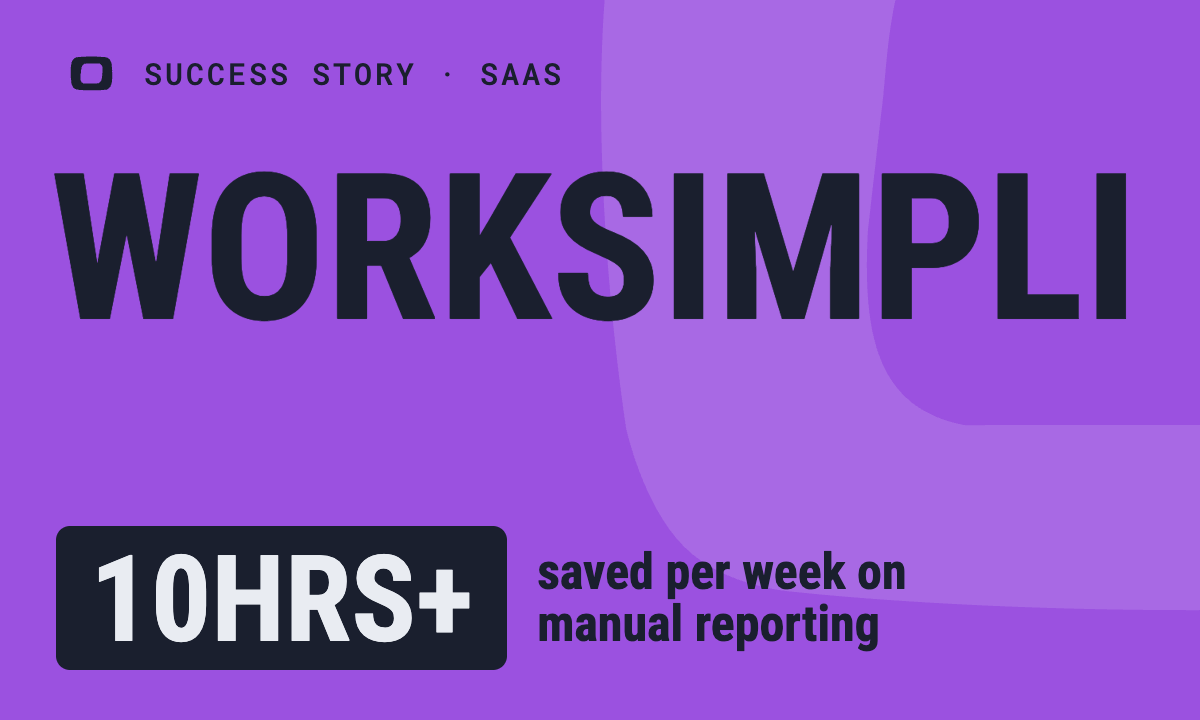 How OWOX Reports Streamlined Operations for WorkSimpli, Saving Over 10 Hours Weekly10hrs+saved per week on manual reportingRead the story
 Not testimonials. Comment threads.
Real things real customers said — each quote pinned to a specific claim, straight from the quotes database.
 Nodari RizunFounder & CEO, Pürblack®
“AI, by the nature of the models, will hallucinate. And because of that, you need something which will create guardrails to ensure that there are no hallucinations, that you can trust your data.”
Nodari RizunFounder & CEO, Pürblack®“I was blind, now I can see. OWOX opened our eyes.”
“We are extremely satisfied with the results achieved through our partnership with OWOX. I'm also impressed by quick and effective support we get from OWOX”
Turn your data into decisions.
Governed data marts give you the clean foundation ML needs to actually work.
- No AI hallucinations
- Analyst-governed definitions
- Every number traces to SQL