

What Is Data Compliance
Data compliance refers to adhering to laws, regulations, and standards that govern the collection, storage, and use of data.
Compliance requirements vary based on industry and region, but generally focus on safeguarding sensitive information, preventing misuse, and ensuring transparency in data handling practices. Meeting these standards helps businesses avoid legal penalties and build stakeholder trust.
Key Benefits of Data Compliance
Data compliance offers several advantages, including:
- Enhanced Security: Ensures robust measures to protect sensitive data from breaches.
- Legal Protection: Avoids penalties and lawsuits by adhering to regulatory requirements.
- Customer Trust: Builds confidence by demonstrating a commitment to protecting user information.
- Operational Efficiency: Encourages standardized data handling processes, reducing errors.
- Competitive Advantage: Sets businesses apart by showcasing ethical and secure practices.
By prioritizing compliance, organizations can mitigate risks and foster long-term success.
How Organizations Can Maintain Data Compliance
To achieve and maintain data compliance, organizations should:
- Understand Applicable Regulations: Identify relevant laws like GDPR, CCPA, or HIPAA based on your industry and location.
- Implement Robust Policies: Develop clear data collection, storage, and sharing guidelines.
- Regular Training: Educate employees about compliance requirements and their roles in ensuring adherence.
- Data Audits: Conduct periodic assessments to identify and rectify vulnerabilities.
- Leverage Technology: Use tools to automate compliance monitoring and manage sensitive data securely.
Proactive measures ensure that businesses stay compliant and prepared for audits.
How Data Compliance and Security Compliance Differ
While both aim to protect information, data compliance focuses on adhering to regulations governing data usage, whereas security compliance ensures robust technical measures are in place to safeguard data.
Data compliance involves legal aspects, like obtaining user consent and providing data access, while security compliance addresses technical safeguards like encryption and access controls. Both are critical for protecting organizational and customer data.
Essential Regulations and Standards for Data Compliance
Key regulations and standards for data compliance include:
- GDPR (General Data Protection Regulation): Governs data protection and privacy in the EU.
- CCPA (California Consumer Privacy Act): Protects consumer rights regarding personal data in California.
- HIPAA (Health Insurance Portability and Accountability Act): Ensures medical data security in the U.S.
- ISO 27001: Provides standards for managing information security.
- PCI DSS (Payment Card Industry Data Security Standard): Protects payment card information.
- SOX (Sarbanes-Oxley Act): Ensures transparency and accountability in corporate governance and financial reporting.
Understanding these frameworks helps businesses align with global and regional compliance requirements.
Staying informed about data compliance is essential for navigating the evolving landscape of data regulations. Explore industry guides, case studies, and tools that simplify compliance management. Awareness and proactive strategies can help your organization safeguard data effectively and confidently meet legal requirements.
Introducing OWOX BI SQL Copilot: Simplify Your BigQuery Projects
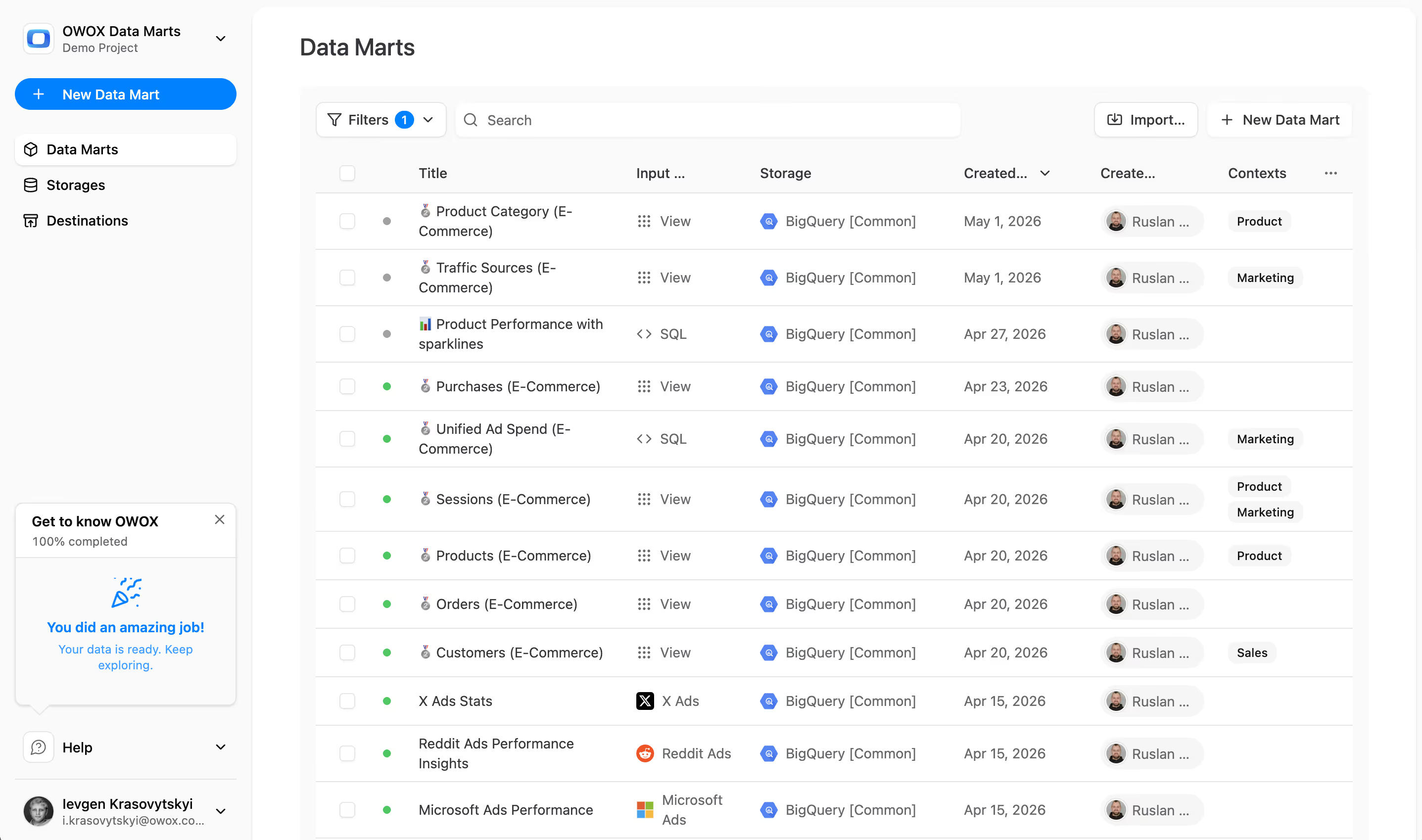
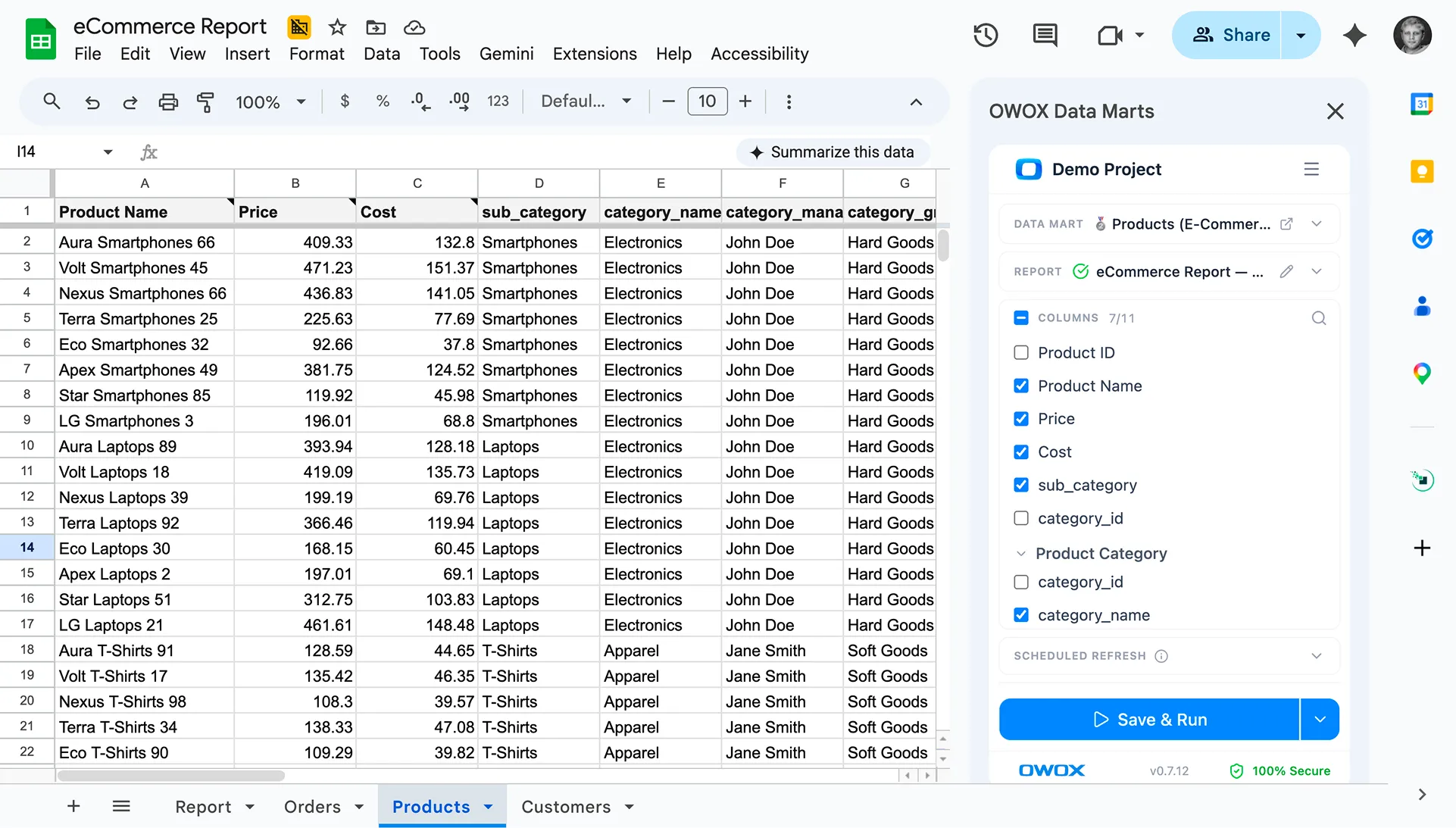
OWOX BI SQL Copilot is an AI-powered assistant, streamlining SQL query writing and optimization in BigQuery. It simplifies compliance by enabling precise data management and auditing, empowering organizations to manage their projects efficiently and securely while reducing the risk of errors in data handling and accelerating data-driven decision-making.


.png)


"AI by its nature will hallucinate. You need guardrails so you can trust your data."
"We had six or seven different channels and no single source of truth. It was almost impossible"
"We regained time. And time is the one resource that never comes back."