GENERATE_DATE_ARRAY in SQL Syntax & Examples
What is the GENERATE_DATE_ARRAY function in SQL?
GENERATE_DATE_ARRAY is a SQL function (commonly used in BigQuery) that returns an array of dates between a start and end date, with an optional step. Analysts use it to create continuous date ranges for reporting, fill gaps in time-series data, and join facts to a complete calendar for accurate metrics.
GENERATE_DATE_ARRAY is a SQL function that creates a list of dates between a start date and an end date, optionally using a custom interval, so analysts can build complete timelines for reporting and fix missing dates in time-based data.
What is GENERATE_DATE_ARRAY in SQL?
What is GENERATE_DATE_ARRAY in SQL?
Plain-language explanation
Think of GENERATE_DATE_ARRAY as a fast way to build a calendar inside a query. Instead of relying only on whatever dates happen to exist in your source tables, you can generate every date you expect to see and work from a clean, continuous range.
That matters because real analytics data is messy. Orders may not happen every day, campaigns may pause, and product events may spike on some dates and disappear on others. If you only report on existing rows, your charts can skip dates and your totals can look misleading. GENERATE_DATE_ARRAY helps you force consistency into the timeline.
Where you’ll typically see it (BigQuery, analytics queries)
This function is commonly associated with BigQuery and shows up a lot in analytics SQL. It’s especially useful in reporting queries, dashboard prep, cohort analysis, retention tables, and marketing performance reporting where a complete date range is non-negotiable.
Analysts often use it when they need to compare daily, weekly, or monthly performance across channels, products, or regions. It’s also a practical tool when you want to standardize reporting periods before you generate and optimize SQL queries for analytics.
GENERATE_DATE_ARRAY syntax and parameters
GENERATE_DATE_ARRAY syntax and parameters
Basic syntax
The basic idea is simple: you pass a start date and an end date, and the function returns all dates in between. You can also specify a step if you do not want every single day.
In practice, the syntax typically follows this pattern: a start date, an end date, and an optional interval that defines how the array should move forward. The result is an array of DATE values, which you can usually expand into rows for reporting.
Required vs optional arguments
The required arguments are the start date and the end date. These define the boundaries of the date range. If your start date is earlier than your end date, the function builds a forward sequence of dates.
The optional argument is the step interval. If you do not provide it, the function usually defaults to one day at a time. That default makes it perfect for daily reporting, but you can switch to larger intervals when your analysis only needs weekly or monthly checkpoints.
In short:
- Start date: required
- End date: required
- Step interval: optional
Common step values (day, week, month)
The most common step value is one day. This is the classic setup for dashboard timelines, daily traffic trends, revenue pacing, and conversion analysis.
Weekly steps are useful when you want a lighter calendar and do not need day-level detail. Monthly steps are great for executive reporting, budget tracking, and long-range trend views. The key is choosing an interval that matches how the business actually reviews performance.
If your chart is monthly but your date array is daily, you may be creating more rows than needed. If your report needs daily anomaly detection but your step is weekly, you may hide important shifts. Grain matters. A lot.
OWOX Data Marts
See your first report built in real time. 15 minutes.
- Connect your data warehouse
- Pick your metrics
- Get a live Google Sheets report
In the time it takes to write a ticket. Then imagine never writing that ticket again.
Book a DemoWe'll use your actual use case
Practical use cases for analysts
Practical use cases for analysts
Building a complete date spine for reports
A date spine is a continuous list of reporting dates that acts like a backbone for your metrics. Instead of depending on sparse fact tables, analysts build a full range of dates and join metrics onto it. That way, every expected period appears in the final report, even if no activity happened on some days.
This is extremely useful for BI . A complete date spine prevents missing labels, weird visual gaps, and broken rolling calculations. It also makes comparison periods much easier to manage.
Filling gaps in time-series metrics
One of the most common headaches in analytics is missing dates in trend data. Maybe ad spend was zero on a certain day, or maybe no users triggered a specific event. Without a generated date range, those days may vanish from the result set entirely.
GENERATE_DATE_ARRAY solves that by giving you the full timeline first. Then you left join your aggregated facts onto it. Missing rows become nulls or zeros instead of disappearing. That makes charts honest and calculations more stable.
This pattern is especially handy when you generate and optimize SQL queries for analytics at scale and want repeatable, easy-to-read logic.
Joining facts to a calendar for marketing and product analytics
Marketing analysts use generated date arrays to track campaign performance over time, including days with no spend or no conversions. Product analysts use them for DAU trends, feature adoption timelines, and retention reporting.
By joining facts to a clean calendar, you can compare planned versus actual activity, calculate conversion rates across consistent periods, and avoid undercounting inactive days. This is where raw event data starts turning into decision-ready reporting.
Example: Using GENERATE_DATE_ARRAY in a query
Example: Using GENERATE_DATE_ARRAY in a query
Simple example: daily date range
Here’s a realistic pattern for generating a daily reporting range. Imagine you want to show every day in January, even if your sales table has missing dates.
SELECT
  day
FROM
  UNNEST(
    GENERATE_DATE_ARRAY(
      DATE '2025-01-01',
      DATE '2025-01-31'
    )
  ) AS day;
This returns one row per day from January 1 through January 31. From there, you can join it to aggregated sales, sessions, signups, or campaign metrics. That makes it a perfect base for daily dashboards and pacing reports.
Example with custom step (weekly or monthly)
You can also generate a lighter timeline by stepping through the range weekly or monthly. For example, a weekly reporting view might look like this:
SELECT
  week_start
FROM
  UNNEST(
    GENERATE_DATE_ARRAY(
      DATE '2025-01-01',
      DATE '2025-03-31',
      INTERVAL 7 DAY
    )
  ) AS week_start;
Or for monthly checkpoints:
SELECT
  month_start
FROM
  UNNEST(
    GENERATE_DATE_ARRAY(
      DATE '2025-01-01',
      DATE '2025-06-01',
      INTERVAL 1 MONTH
    )
  ) AS month_start;
Picture a marketing team reviewing weekly lead volume. Some weeks have no paid campaign activity, but stakeholders still want to see those weeks in the report. A generated weekly array gives them a complete timeline, and a left join ensures blank weeks show as zero instead of vanishing. That’s cleaner analysis and fewer “wait, where did that week go?” moments.
Typical pitfalls and best practices
Typical pitfalls and best practices
Handling time zones and DATETIME/TIMESTAMP
GENERATE_DATE_ARRAY works with DATE values, not full timestamps. That sounds simple, but it can cause trouble when your source data is stored as TIMESTAMP or DATETIME and your reporting logic depends on a business time zone.
If events happen late at night in one time zone and get converted incorrectly, they can land on the wrong reporting date. Best practice is to define your reporting time zone clearly before converting timestamps to dates. Keep that logic consistent across dashboards, transformations, and source models.
If your reporting environment includes sensitive user-level data, combine good date logic with safe modeling practices like data masking and secure reporting datasets.
Avoiding huge arrays and performance issues
It is tempting to generate massive date ranges just because you can. But giant arrays create unnecessary rows, heavier joins, and slower queries. If your dashboard only covers the last 90 days, don’t generate ten years of daily dates.
Keep the range tight and relevant to the question. Reuse date logic where possible. For recurring reports, it can be smart to use stored procedures to automate recurring date-range queries so your date generation stays controlled and standardized.
Choosing the right grain for your reports
The grain of your generated date array should match the grain of your business question. Daily arrays are great for operational monitoring. Weekly arrays are better for campaign rollups. Monthly arrays are often enough for executive summaries.
If your fact table is monthly but you join it to a daily date range, you may multiply rows or create confusing output. If your analysis needs daily behavior but you summarize too early, you lose useful signal. Always align the generated dates with how the final metric will be grouped and consumed.
How GENERATE_DATE_ARRAY fits into Data Marts and reporting
How GENERATE_DATE_ARRAY fits into Data Marts and reporting
Building reusable date dimensions
In a mature reporting setup, GENERATE_DATE_ARRAY is often part of building a reusable date dimension. Instead of regenerating dates in every query, teams create a trusted calendar table once and use it across dashboards, marts, and semantic layers.
This makes reporting more consistent and easier to maintain. It also supports cleaner joins, especially when you are designing tables with proper key constraints and standard calendar attributes like week number, month, quarter, and fiscal period.
OWOX Data Marts context: creating reliable reporting timelines
In data marts, reliable timelines are everything. Metrics are only comparable when every report uses the same calendar logic, date grain, and join rules. GENERATE_DATE_ARRAY helps create that foundation, whether you build timelines dynamically in SQL or materialize them into reusable reporting tables.
It also fits naturally into models where you are linking date arrays to fact tables via primary and foreign keys. That structure helps analysts avoid broken joins, missing periods, and inconsistent trend lines. The result is reporting that looks cleaner, behaves predictably, and stands up better under pressure.
Want cleaner timelines in your reporting stack? OWOX Data Marts helps you build reliable datasets for analytics, dashboards, and recurring reporting. Explore data marts and reporting workflows that keep your date logic consistent.




Learn how teams ship analytics faster
Organizations that scaled analytics without scaling headcount
 "For 10 years I was blind." The day Pürblack® founder stopped guessingSecondsto get reports across six channelsRead the story
  How OWOX Reports Helped Reformation Make Data-Backed DecisionsMinutesfrom data request to business decisionRead the story
 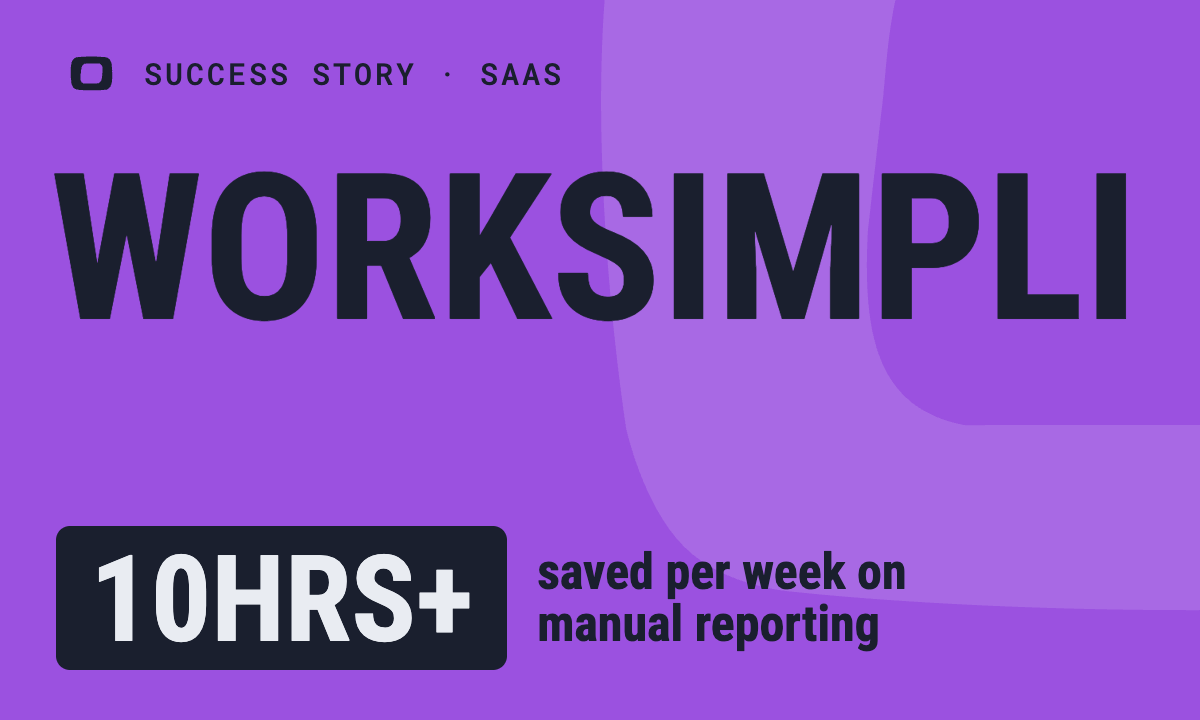 How OWOX Reports Streamlined Operations for WorkSimpli, Saving Over 10 Hours Weekly10hrs+saved per week on manual reportingRead the story
 Not testimonials. Comment threads.
Real things real customers said — each quote pinned to a specific claim, straight from the quotes database.
 Nodari RizunFounder & CEO, Pürblack®
“AI, by the nature of the models, will hallucinate. And because of that, you need something which will create guardrails to ensure that there are no hallucinations, that you can trust your data.”
Nodari RizunFounder & CEO, Pürblack®“I was blind, now I can see. OWOX opened our eyes.”
“We are extremely satisfied with the results achieved through our partnership with OWOX. I'm also impressed by quick and effective support we get from OWOX”
Turn your data into decisions.
Governed data marts give you the clean foundation ML needs to actually work.
- No AI hallucinations
- Analyst-governed definitions
- Every number traces to SQL