SAFE.PARSE_DATE in SQL: Definition and Format Patterns
What is the SAFE.PARSE_DATE function in SQL?
SAFE.PARSE_DATE is a BigQuery SQL function that converts a string into a DATE, but returns NULL instead of throwing an error when the format is invalid. It’s a safe wrapper around PARSE_DATE that helps analysts work with messy, real-world date strings without crashing scheduled reports or data pipelines.
SAFE.PARSE_DATE is a BigQuery SQL function that turns a text value into a DATE while returning NULL instead of an error when the input does not match the expected format, making date parsing much safer for messy analytics data.
To see when to use SAFE.PARSE_DATE and when SAFE_CAST is enough, read BigQuery CAST and SAFE_CAST.
What is SAFE.PARSE_DATE in SQL?
What is SAFE.PARSE_DATE in SQL?
In real analytics workflows, date values rarely arrive in perfect shape. CSV exports, CRM systems, ad platforms, and manual uploads often store dates as strings, and those strings may be inconsistent. SAFE.PARSE_DATE helps you convert them into proper DATE values without blowing up your query.
SAFE.PARSE_DATE vs PARSE_DATE
The difference is simple but powerful. PARSE_DATE expects the string to match the format exactly. If it does not, the query fails. SAFE.PARSE_DATE uses the same parsing logic, but instead of throwing an error, it returns NULL.
That behavior matters a lot in production reporting. One bad value like 'N/A', 'unknown', or '2024/31/12' can break a scheduled transformation with PARSE_DATE. With SAFE.PARSE_DATE, the pipeline keeps running, and you can investigate invalid rows separately.
Basic syntax and parameters
SAFE.PARSE_DATE takes two main inputs: a format string and the string to parse. The format tells BigQuery how to interpret the characters in the text. For example, you might expect '%Y-%m-%d' for a value like '2024-11-05'.
The first parameter defines the expected pattern, and the second is the actual source value. If the source fits the pattern and represents a valid calendar date, BigQuery returns a DATE. If not, it returns NULL. That means you can safely apply it inside larger transformations, filters, or reporting logic.
How SAFE.PARSE_DATE works
SAFE.PARSE_DATE is strict about format matching, but forgiving about failure handling. That combination makes it ideal for analysts who need accurate type conversion without fragile pipelines.
Date format patterns
Format patterns describe how a date string is structured. Common elements include year, month, and day in a specific order. For example, '%Y-%m-%d' expects a four-digit year, two-digit month, and two-digit day separated by hyphens, while '%m/%d/%Y' expects U.S.-style month/day/year with slashes.
The key is alignment. If your data says '05/11/2024', you need to know whether that means May 11 or November 5. SAFE.PARSE_DATE does not guess. It follows the pattern you provide, and if the input does not fit, it returns NULL.
What happens on invalid or unexpected input
When the input is invalid, SAFE.PARSE_DATE returns NULL. That includes values with the wrong delimiter, the wrong order, impossible dates, or unexpected text. Examples include '2024-13-01', '31/31/2024', and 'no date'.
This is a huge advantage for analysts building reusable SQL. Instead of wrapping transformations in error-prone workarounds, you can let invalid records resolve to NULL and then decide how to handle them. You might filter them out, flag them for QA, or default to another field.
Common pitfalls with locale and formatting
A classic trap is assuming one date style while the source uses another. Marketing exports may use DD/MM/YYYY, while a U.S.-based CRM export may use MM/DD/YYYY. If you apply the wrong format string, some rows may become NULL, and others may parse into the wrong date without looking obviously wrong at first glance.
Another pitfall is mixed formatting in the same column. A spreadsheet-maintained field might contain '2024-01-15', '01/15/2024', and blank strings all together. SAFE.PARSE_DATE prevents query failure, but it does not automatically standardize those patterns. You still need validation logic and sometimes multiple parsing rules.
OWOX Data Marts
See your first report built in real time. 15 minutes.
- Connect your data warehouse
- Pick your metrics
- Get a live Google Sheets report
In the time it takes to write a ticket. Then imagine never writing that ticket again.
Book a DemoWe'll use your actual use case
Practical use cases for analysts
Practical use cases for analysts
SAFE.PARSE_DATE shines when data is messy, deadlines are tight, and dashboards cannot afford to fail. It is one of those functions that quietly saves a lot of pain.
Cleaning marketing and CRM exports
Marketing and CRM systems often export dates as text, especially in flat files. Lead created dates, campaign launch dates, renewal dates, and first-touch dates may arrive in inconsistent formats or include blanks. SAFE.PARSE_DATE lets you convert what you can while preserving bad records as NULL for review.
This is especially useful when generating SQL queries with AI. AI can help speed up transformation logic, but analysts still need safe parsing in place because source files from the real world are unpredictable. SAFE.PARSE_DATE adds a protective layer that keeps the query usable even when inputs are not clean.
Handling optional or partially missing dates
Not every row should have a date. Some records may represent prospects who have not converted yet, contracts without an end date, or campaigns with a planned launch date still left blank. In those cases, returning NULL is not an error. It is a valid outcome.
SAFE.PARSE_DATE works well when date fields are optional. Instead of creating brittle logic that assumes every row is populated, you can parse values safely and let missing or malformed entries remain NULL until business rules decide what to do next.
Preventing pipeline and dashboard failures
Scheduled queries and dashboards depend on predictable execution. One malformed date string in a source table can break a transformation job, delay refreshes, and create confusion across teams. SAFE.PARSE_DATE prevents the entire process from crashing because of a few bad rows.
That makes it valuable in ETL, ELT, and semantic layer preparation. You can keep the data flowing, monitor invalid records, and fix source issues without interrupting reporting for everyone else.
Example: Using SAFE.PARSE_DATE in queries
Example: Using SAFE.PARSE_DATE in queries
Here is a realistic scenario: a marketing team uploads campaign metadata from spreadsheets, and the launch_date_text field is inconsistent. Some rows use ISO format, some are blank, and a few contain invalid text.
Simple conversion example
You can safely convert the clean rows with a query like this:
SELECT
    campaign_id,
    launch_date_text,
    SAFE.PARSE_DATE('%Y-%m-%d', launch_date_text) AS launch_date
FROM
    campaign_uploads;
If launch_date_text is '2024-10-01', the result is a valid DATE. If the value is 'TBD' or '10/01/2024', the result is NULL instead of a failed query.
Combining with IFNULL/COALESCE and CASE
SAFE.PARSE_DATE becomes even more useful when combined with fallback logic. For example, if one field is unreliable, you can try another source or set a default handling rule.
SELECT
    campaign_id,
    COALESCE(
        SAFE.PARSE_DATE('%Y-%m-%d', launch_date_text),
        SAFE.PARSE_DATE('%m/%d/%Y', launch_date_text)
    ) AS standardized_launch_date,
    CASE
        WHEN SAFE.PARSE_DATE('%Y-%m-%d', launch_date_text) IS NULL
         AND SAFE.PARSE_DATE('%m/%d/%Y', launch_date_text) IS NULL
        THEN 'invalid date'
        ELSE 'ok'
    END AS date_status
FROM
    campaign_uploads;
This approach is great for mixed-format columns. You can test multiple patterns, label invalid rows, and still produce a reporting-friendly output.
Checking data quality with SAFE.PARSE_DATE
SAFE.PARSE_DATE is also handy for profiling quality. You can count how many rows fail parsing and identify source problems early.
SELECT
    COUNT(*) AS total_rows,
    COUNTIF(
        SAFE.PARSE_DATE('%Y-%m-%d', launch_date_text) IS NULL
        AND launch_date_text IS NOT NULL
    ) AS invalid_date_rows
FROM
    campaign_uploads;
That kind of check is simple, fast, and practical. It helps analysts separate true missing values from broken formatting before metrics hit executive dashboards.
SAFE.PARSE_DATE in Data Marts and reporting
SAFE.PARSE_DATE in Data Marts and reporting
Safe date parsing is not just a query trick. It is a core part of building reliable reporting tables.
Standardizing date fields in analytics Data Marts
In analytics data marts, date fields should be consistent, typed correctly, and ready for filtering, grouping, and joining. SAFE.PARSE_DATE helps standardize raw string fields during transformation so reporting tables expose clean DATE columns instead of unpredictable text.
This matters when combining records from multiple systems. One source may store order dates as strings, another as timestamps, and a third as manually entered text. Converting string-based dates safely helps unify the mart without making it fragile. It also pairs well with governance practices such as data masking techniques when sensitive datasets are being prepared for broader business access.
OWOX Data Marts context: safer date handling in reporting-ready tables
In a reporting-focused data mart workflow, the goal is simple: stable, trustworthy tables that analysts can use without constantly firefighting bad inputs. SAFE.PARSE_DATE supports that goal by letting transformations absorb imperfect source values and turn them into controlled NULLs instead of broken jobs.
That is especially useful when preparing reusable tables for campaign reporting, CRM lifecycle analysis, retention cohorts, or finance reporting where date logic drives nearly every metric.
Related SQL concepts to explore
Related SQL concepts to explore
SAFE.PARSE_DATE sits inside a bigger toolkit of SQL concepts that help analysts create reliable, reusable transformations.
Other SAFE_ functions in BigQuery
BigQuery includes other SAFE_ functions that follow the same philosophy: avoid hard query failures and return NULL when an operation cannot be completed safely. These functions are useful when converting types, handling arithmetic edge cases, or protecting transformations inside automated workflows.
They become even more powerful in reusable SQL patterns such as stored procedures in SQL, where one defensive parsing rule can be applied repeatedly across datasets and refresh cycles.
Working with DATE, DATETIME, and TIMESTAMP types
It is also important to understand the difference between DATE, DATETIME, and TIMESTAMP. DATE stores only the calendar date. DATETIME includes date and time without timezone context. TIMESTAMP represents a specific point in time. Choosing the right type affects joins, aggregations, time zone handling, and report accuracy.
As your models mature, these type decisions connect to schema design topics like key constraints in SQL and relationships built with primary and foreign keys. Clean date fields are not just about parsing. They are part of building trustworthy analytics structure from the ground up.
Want cleaner reporting tables without brittle transformations? Build safer date logic and analytics-ready models with OWOX Data Marts. It is a practical way to turn messy source data into reporting-ready tables your team can trust.
Learn how teams ship analytics faster
Organizations that scaled analytics without scaling headcount
 "For 10 years I was blind." The day Pürblack® founder stopped guessingSecondsto get reports across six channelsRead the story
 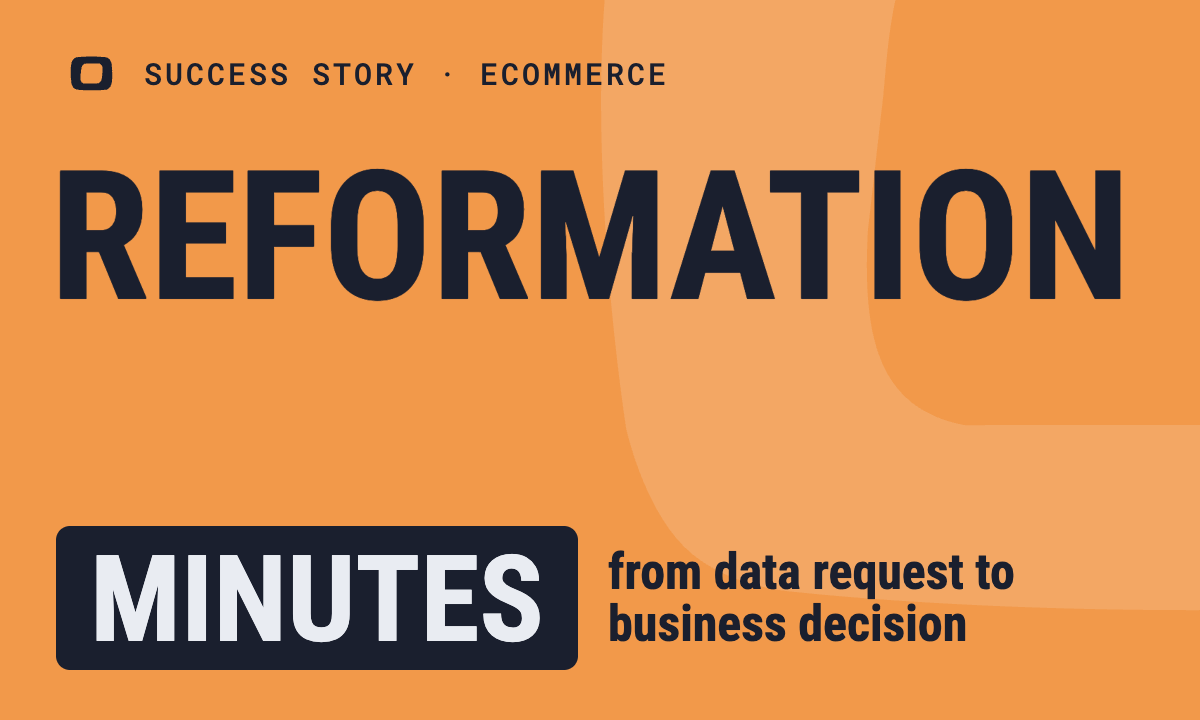 How OWOX Reports Helped Reformation Make Data-Backed DecisionsMinutesfrom data request to business decisionRead the story
 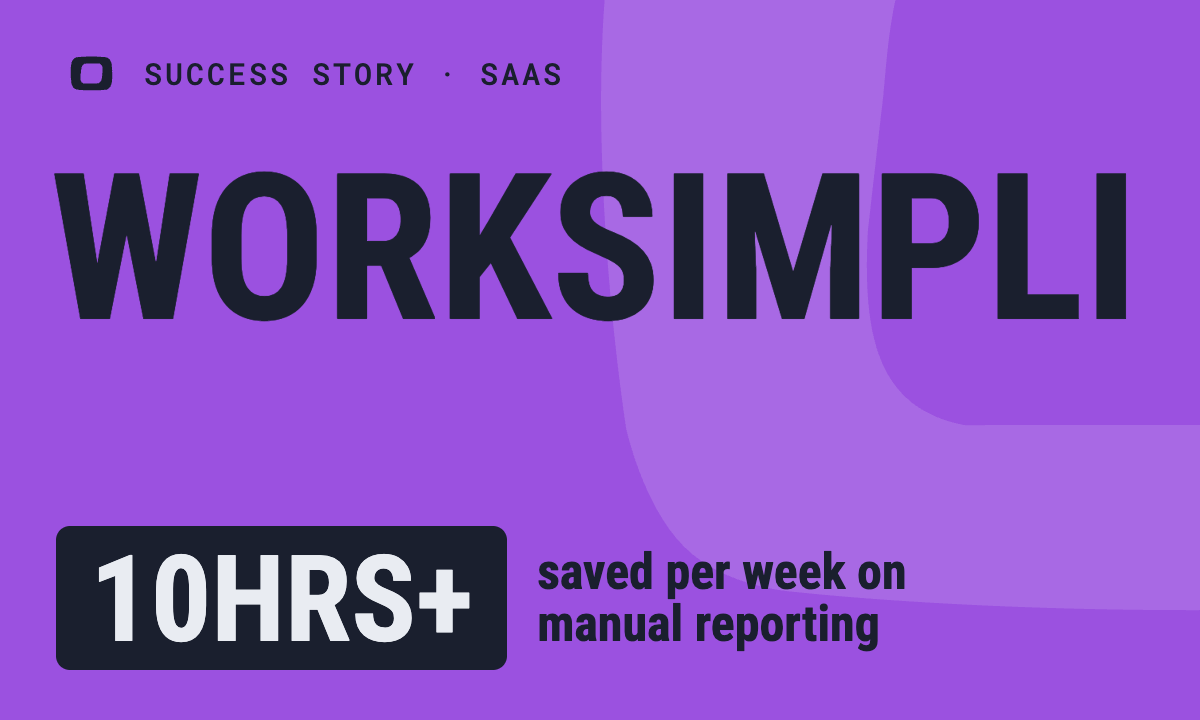 How OWOX Reports Streamlined Operations for WorkSimpli, Saving Over 10 Hours Weekly10hrs+saved per week on manual reportingRead the story
 Not testimonials. Comment threads.
Real things real customers said — each quote pinned to a specific claim, straight from the quotes database.
 Nodari RizunFounder & CEO, Pürblack®
“AI, by the nature of the models, will hallucinate. And because of that, you need something which will create guardrails to ensure that there are no hallucinations, that you can trust your data.”
Nodari RizunFounder & CEO, Pürblack®“I was blind, now I can see. OWOX opened our eyes.”
“We are extremely satisfied with the results achieved through our partnership with OWOX. I'm also impressed by quick and effective support we get from OWOX”
Turn your data into decisions.
Governed data marts give you the clean foundation ML needs to actually work.
- No AI hallucinations
- Analyst-governed definitions
- Every number traces to SQL